


Is Vietnam or Malaysia cheaper for travel? Full cost comparison for smart travelers
Choosing between Vietnam and Malaysia isn’t easy. Both countries offer incredible food, diverse landscapes, rich culture, and well-developed tourism services. From buzzing cities and tropical islands to mountain adventures and heritage sites, either destination can deliver an unforgettable trip. But before booking flights, most travelers ask the same practical question: is Vietnam or Malaysia cheaper? The answer isn’t always as simple as it seems. In this guide, we break everything down with real numbers and clear comparisons, so you can decide which country gives you the best value for your journey.
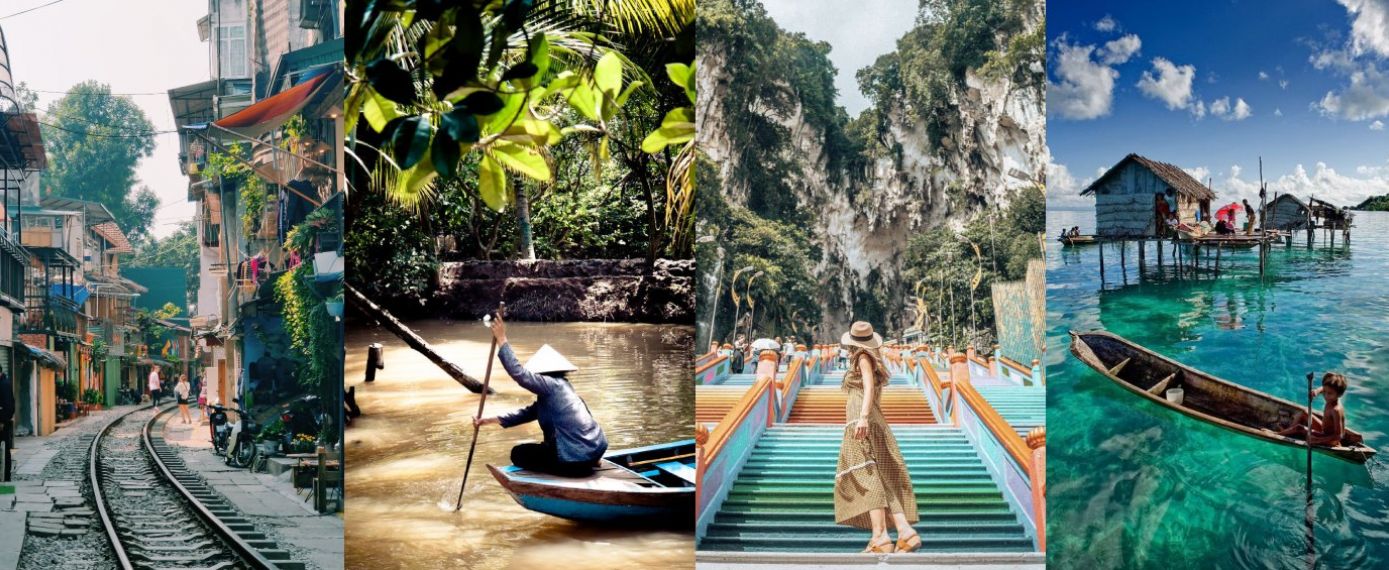
Choosing between Vietnam and Malaysia isn’t easy. Both countries offer incredible food, diverse landscapes, rich culture, and well-developed tourism services. From buzzing cities and tropical islands to mountain adventures and heritage sites, either destination can deliver an unforgettable trip. But before booking flights, most travelers ask the same practical question: is Vietnam or Malaysia cheaper? The answer isn’t always as simple as it seems. In this guide, we break everything down with real numbers and clear comparisons, so you can decide which country gives you the best value for your journey.
Accommodation costs: Vietnam or Malaysia?
When travelers try to answer the question “is Vietnam or Malaysia cheaper?”, accommodation is usually one of the most important factors. A room can easily become the biggest daily expense, especially for longer holidays or digital nomads planning to stay for weeks or months.
Both countries offer everything from backpacker dormitories to beachfront resorts with international standards. Yet once you begin checking real booking prices, you’ll quickly notice a pattern: Vietnam often delivers lower rates, while Malaysia tends to offer newer infrastructure and more standardized facilities. Whether the extra comfort is worth the difference depends on your travel style.
Vietnam
Vietnam has earned its reputation as one of Southeast Asia’s best-value destinations. Thanks to intense competition and a huge supply of family-run hotels, prices remain accessible even in prime tourist districts. For many people comparing Vietnam vs Malaysia prices, accommodation alone already makes Vietnam look cheaper.

Vietnam accommodations (Source: Wanderlust magazine)
Budget stays (hostels & guesthouses)
Backpackers can still find dorm beds in Vietnam for around $6 to $15 per night, even in central neighborhoods of Hanoi or Ho Chi Minh City. What surprises many first-time visitors is that these low prices often include air conditioning, Wi-Fi, and sometimes breakfast.
Travelers wanting more privacy can usually book a simple private guesthouse room for roughly $15 to $30 per night, a range that is difficult to match in Malaysia without moving far from the city center.
This is one of the clearest examples where people conclude that Vietnam is cheaper than Malaysia.
Mid-range hotels
As you move into the mid-range category, Vietnam continues to impress. A comfortable two- or three-star hotel commonly falls between $20 and $50 per night, and many of these properties are in highly walkable areas close to attractions, cafés, and nightlife.
At this level, guests frequently receive daily housekeeping, buffet breakfast, and surprisingly spacious rooms. When travelers compare similar comfort levels, Malaysia often ends up costing more.
Luxury & resorts
Vietnam may be budget-friendly, but it also competes aggressively in the upscale market. In popular coastal destinations, a four- or five-star resort can start around $80 per night, while high-end properties typically range upward to $300 or more, depending on brand and season.
For that price, visitors can expect infinity pools, private beaches, large modern rooms, and extensive dining options. Because similar standards in Malaysia often come with a higher base rate, many travelers feel Vietnam provides better luxury value.
So if someone asks is Vietnam or Malaysia cheaper for high-end stays, Vietnam frequently comes out ahead.
Apartments & long-term rentals
Longer stays highlight Vietnam’s affordability even further. A furnished studio or small apartment in major cities usually costs about $300 to $600 per month, while modern units in prime locations can rise to $700 or $1,000+.
Buildings might lack some of the flashy amenities common in Malaysia, but the amount of space for the price is often hard to ignore.
Malaysia
Malaysia is still reasonably priced in global terms, yet it can feel more expensive when placed next to Vietnam. In exchange, travelers often benefit from better transport systems, newer high-rise developments, and consistent maintenance standards.
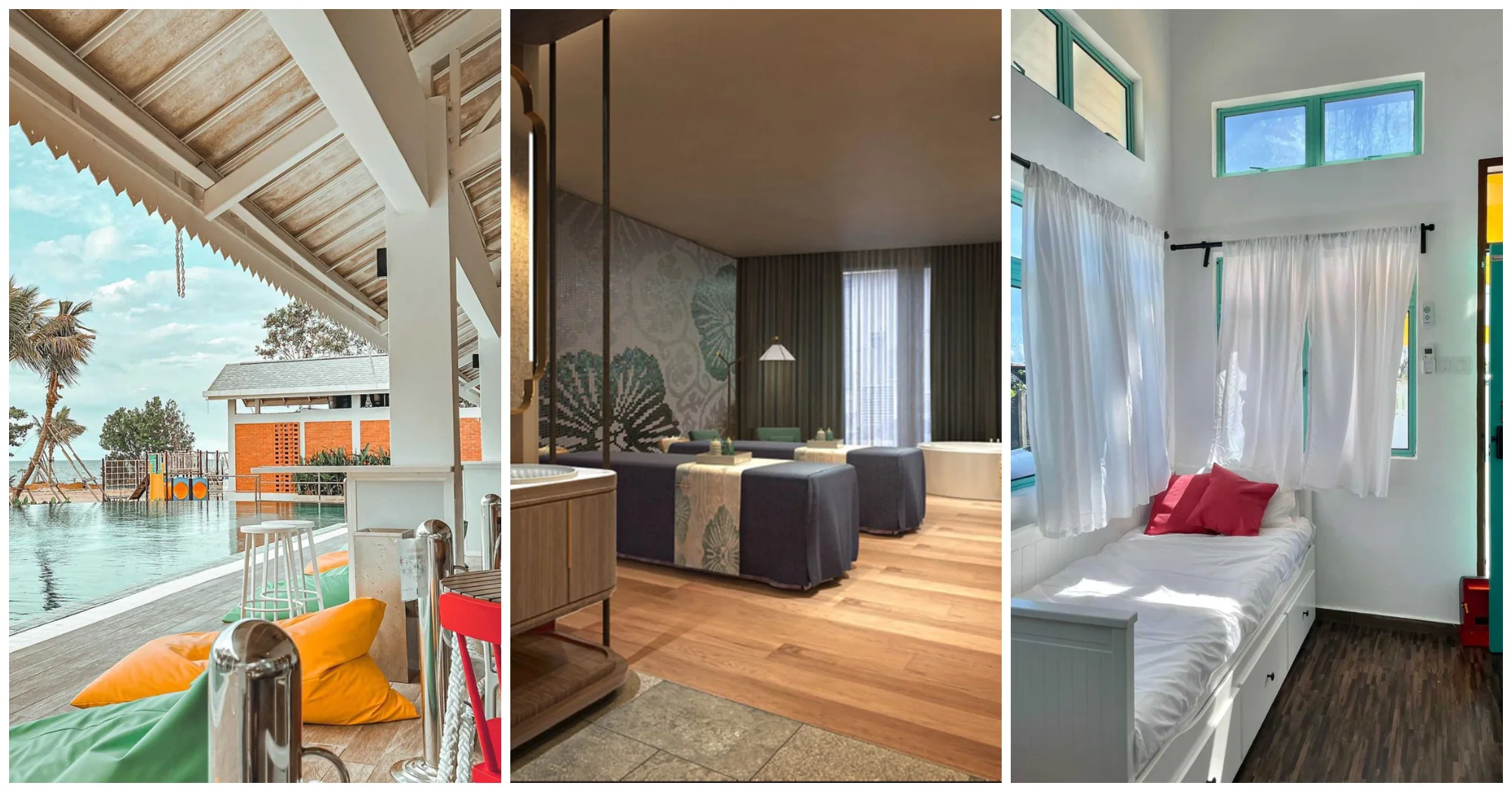
Malaysia accommodations (Source: Hev Hala Will Travel)
Budget stays (hostels & guesthouses)
Dormitory beds in Malaysia can be very affordable, sometimes dropping to around $4 to $10 per night in cities like Kuala Lumpur or Penang. However, once travelers switch to private rooms, prices typically climb to about $20 to $40 per night, narrowing Malaysia’s advantage in the ultra-budget segment.
Because of this, people comparing Malaysia vs Vietnam cost often realize that Vietnam remains cheaper for private accommodation.
Mid-range hotels
Malaysia’s mid-range market delivers comfort and reliability, but at a higher average price. A typical two- or three-star hotel may charge between $25 and $60 per night, while central four-star properties frequently sit in the $40 to $80+ range.
Guests may enjoy swimming pools, gyms, and modern layouts, yet budget-focused travelers will notice the increase.
Luxury & resorts
For upscale experiences, Malaysia offers many international hotel brands. Prices for four- or five-star stays usually begin around $100 per night and can rise quickly in premium resort areas.
The service quality is excellent, but travelers strictly chasing the lowest price often find Vietnam more competitive.
Read more: Is Vietnam or Bali cheaper? A detailed cost comparison for smart travelers
Food costs: Is Vietnam or Malaysia cheaper?
After accommodation, the next question most travelers ask is simple: how much will I spend on food each day? Because meals are daily expenses, even a small difference of a few dollars can dramatically change the total budget of a trip.
Both Vietnam and Malaysia are famous for incredible street food. You can eat well, try authentic local flavors, and stay full without ever entering a luxury restaurant. However, when travelers seriously compare the numbers to answer “is Vietnam or Malaysia cheaper?”, Vietnam often has the advantage.
Vietnam
In Vietnam, eating out is part of everyday life. Street vendors, small eateries, and local restaurants are everywhere, creating intense competition that helps keep prices low for both locals and visitors.
A classic street meal, think pho, banh mi, bun cha, or broken rice, usually costs around $1.5 to $3. For that amount, you get a hot, freshly prepared dish that many travelers consider restaurant quality in other countries.

Vietnam food (Source: Vietnam Tourism)
If you step into a mid-range restaurant with air conditioning, table service, and a broader menu, you might spend about $8 to $20 per person, depending on what you order and where you are. For many visitors, this still feels like outstanding value.
Coffee is another highlight. A traditional Vietnamese iced coffee from a street-side spot can be as little as $1–$2, while modern cafés and international-style chains usually fall between $3 and $6.
For budget-conscious travelers, food prices alone are often enough to say that Vietnam is cheaper than Malaysia.
Malaysia
Malaysia offers a rich mix of Malay, Chinese, and Indian cuisine, and its hawker centers and food courts are a huge attraction. Quality is excellent and hygiene standards are often high, but the average price is typically a bit higher than in Vietnam.
In local food courts, a plate of noodles, rice, or nasi lemak generally costs about $3 to $6. This is still affordable, yet it rarely drops to the ultra-low levels commonly found in Vietnam.
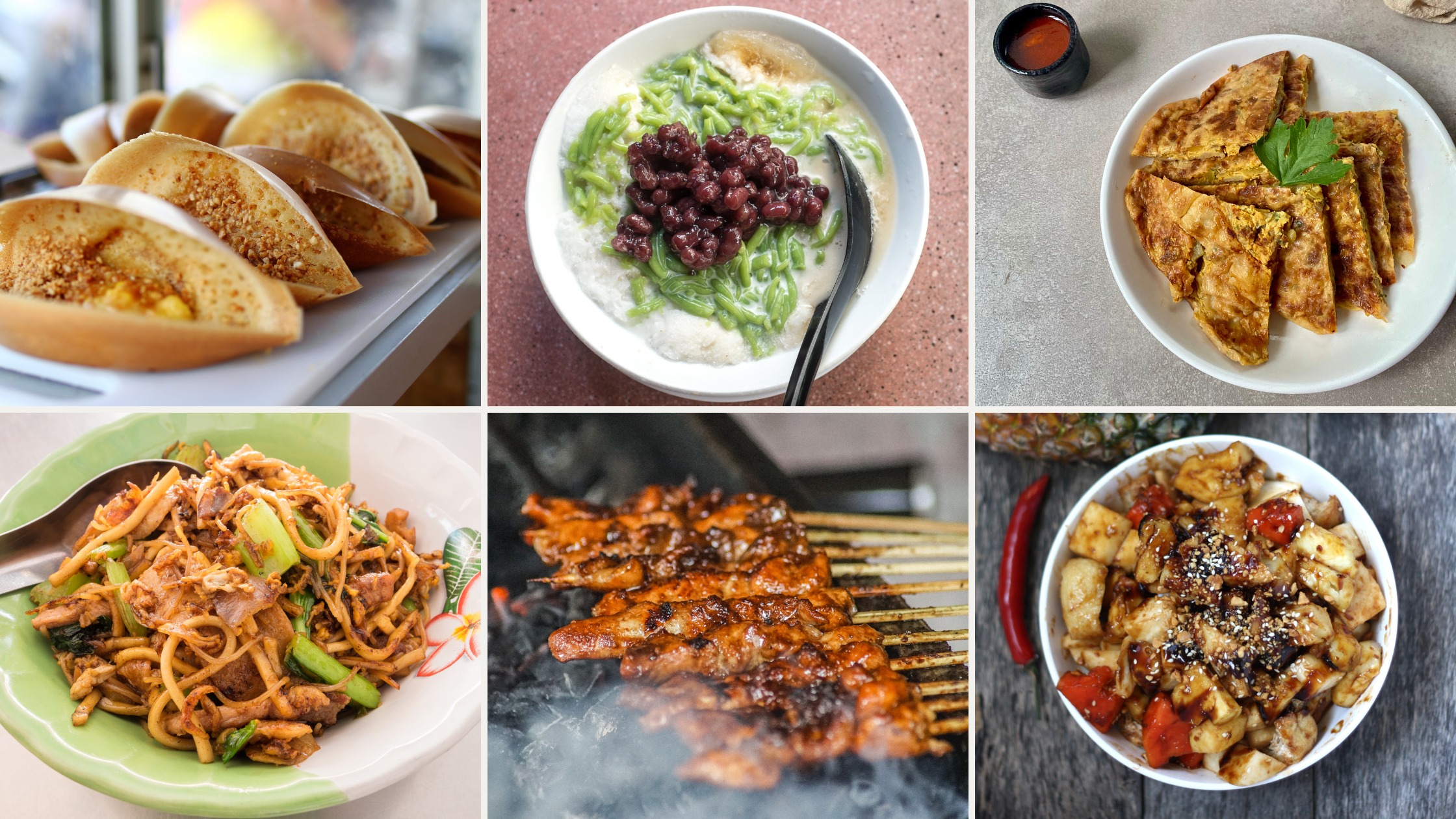
Malaysia food (Source: Collected)
At mid-range restaurants, expect to pay somewhere between $10 and $25 per person. In central Kuala Lumpur or tourist-heavy areas of Penang, prices can go higher, especially for international brands.
Coffee usually starts around $3–$4 and can reach $7 or more in stylish cafés or shopping malls.
So while Malaysia is far from expensive, travelers carefully calculating Malaysia vs Vietnam travel costs will likely notice they spend a bit more each day.
Transportation price: Is Vietnam or Malaysia cheaper to travel around?
Transportation is one of those daily costs that can quietly grow larger than expected. Even if hotels and food are affordable, constant movement between neighborhoods, attractions, and airports can quickly reshape your total budget. That’s why for travelers asking is Vietnam or Malaysia cheaper, understanding local transport prices is essential.
Although both countries have ride-hailing apps, buses, and domestic flights, the way you use them and how much you end up paying, feels quite different once you are on the ground.
Vietnam
Vietnam is famous for its lively streets and constant motion. Traffic may look overwhelming at first, but the country offers an extremely cheap and flexible system for visitors. Because many destinations are relatively close together and ride-hailing services are abundant, travelers often discover they can explore widely while still spending very little each day.
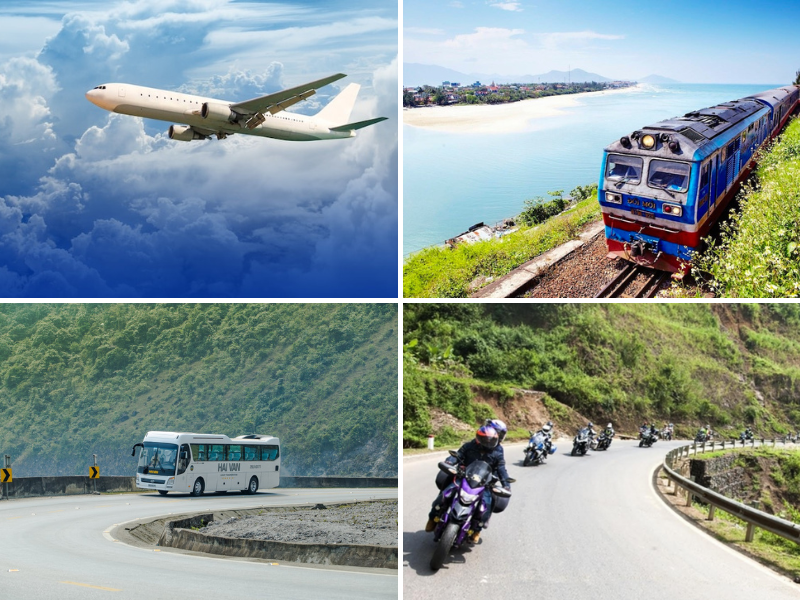
Vietnam transportations (Source: Collected)
Ride-hailing and taxis
In Vietnam, app-based motorbike taxis are often the default choice for visitors. A short ride within central districts typically costs around $1 to $3, making spontaneous trips incredibly affordable. Even if you upgrade to a car, the fare for longer cross-city journeys usually lands between $5 and $10. Because prices are low, many travelers end up booking multiple rides per day without worrying too much about their budget.
Public transportation
Public buses are available in major cities, but for many tourists they are not always the most convenient option. Routes can be harder to navigate, and language barriers may slow things down. As a result, even budget travelers often prefer Grab because the price difference is small while the time saved is significant.
Motorbike rentals
For those comfortable driving, renting a motorbike can reduce costs even further. Daily rental prices commonly sit at $5 to $10, and fuel remains inexpensive. This option is especially attractive for longer stays or travelers who want flexibility to explore areas outside the city center.
Intercity travel
Moving between destinations in Vietnam remains budget-friendly. Domestic flights frequently range from $30 to $120 depending on season and booking time. Meanwhile, sleeper buses and trains can cost roughly $10 to $25, offering very economical alternatives. Taken together, these prices explain why many backpackers conclude Vietnam is extremely cheap for transportation.
Malaysia
Malaysia presents a more structured transport environment. Cities are modern, systems are organized, and infrastructure is designed for efficiency. Travelers often enjoy clearer routes and greater comfort, but they also notice that each trip tends to cost more compared with Vietnam.

Malaysia transportations (Source: The Lorry)
Ride-hailing and taxis
Malaysia’s ride-hailing services are modern and comfortable, but fares are higher than in Vietnam. A short trip in Kuala Lumpur usually begins at around $3 to $5, while longer journeys across the city or to the airport can easily reach $10 to $20. Over several days, frequent rides can noticeably increase your spending.
Public transportation
Where Malaysia often compensates is its efficient rail network. MRT, LRT, and monorail lines connect many of the places travelers want to visit. A typical journey usually costs about $1 to $3, and the system is air-conditioned, clearly signed, and tourist-friendly. Visitors who plan around train routes can keep their budgets under control.
Car rentals
Outside the biggest cities, renting a car becomes a practical choice. Prices typically start from $25 to $40 per day, with additional expenses for fuel and parking. While the quality of highways is excellent, the overall daily transport cost is higher than what most travelers would pay in Vietnam.
Intercity travel
Flights within Malaysia are competitive but rarely ultra-cheap. Travelers often pay between $40 and $150, while long-distance buses generally range from $10 to $30. Comfort levels are high, yet the price advantage over Vietnam is smaller.
Read more: Vietnam or Thailand-which is the more attractive destination?
Attraction & Activity Prices: Is Vietnam or Malaysia cheaper for experiences?
Beyond sleeping and eating, experiences are what truly shape a trip. Entrance tickets, guided tours, boat rides, theme parks, and cultural shows can quickly add up, especially if you plan to be active every day. For travelers wondering is Vietnam or Malaysia cheaper, attraction prices often reveal a clear difference in how far your money can go.
Both countries offer a mix of natural wonders, historical landmarks, and modern entertainment. Yet once you start comparing actual ticket numbers, you may notice that the style of tourism each nation promotes influences the overall cost.
Vietnam
Vietnam is widely loved for offering memorable experiences at relatively low prices. Many of the country’s most famous sights are natural landscapes or cultural heritage sites, where entrance fees remain accessible even for budget travelers. This allows visitors to pack several activities into a single day without feeling pressured financially.

Vietnam attractions (Source: Izitour)
Entrance fees to popular sights
Tickets to museums, temples, and historic landmarks are usually inexpensive. In many cities, you might pay only $1 to $5 to enter a museum or heritage building. Even major attractions such as imperial complexes or famous viewpoints often stay within $5 to $15, which feels modest compared with international standards.
Day tours and excursions
Organized tours are also competitively priced. A full-day trip — for example to Ha Long Bay, the Mekong Delta, or nearby mountains — commonly ranges from $25 to $60, depending on transport, meals, and guide services. Because of these rates, travelers often join multiple tours during a short stay.
Adventure and outdoor activities
Vietnam offers trekking, cave visits, kayaking, and boat experiences at reasonable prices. Many half-day or full-day adventures fall between $20 and $70, making them accessible without stretching the budget too far.
Entertainment and nightlife
Evening entertainment is similarly affordable. Local shows, cultural performances, or rooftop experiences may cost around $10 to $40, depending on the venue. This means you can enjoy special nights out more frequently.
Thanks to this structure, Vietnam makes it easy to stay busy every day without watching your wallet too closely.
Malaysia
Malaysia, on the other hand, often focuses on more developed, large-scale attractions. The country features modern theme parks, iconic towers, and curated tourist experiences. While quality and organization are high, ticket prices usually reflect that investment.
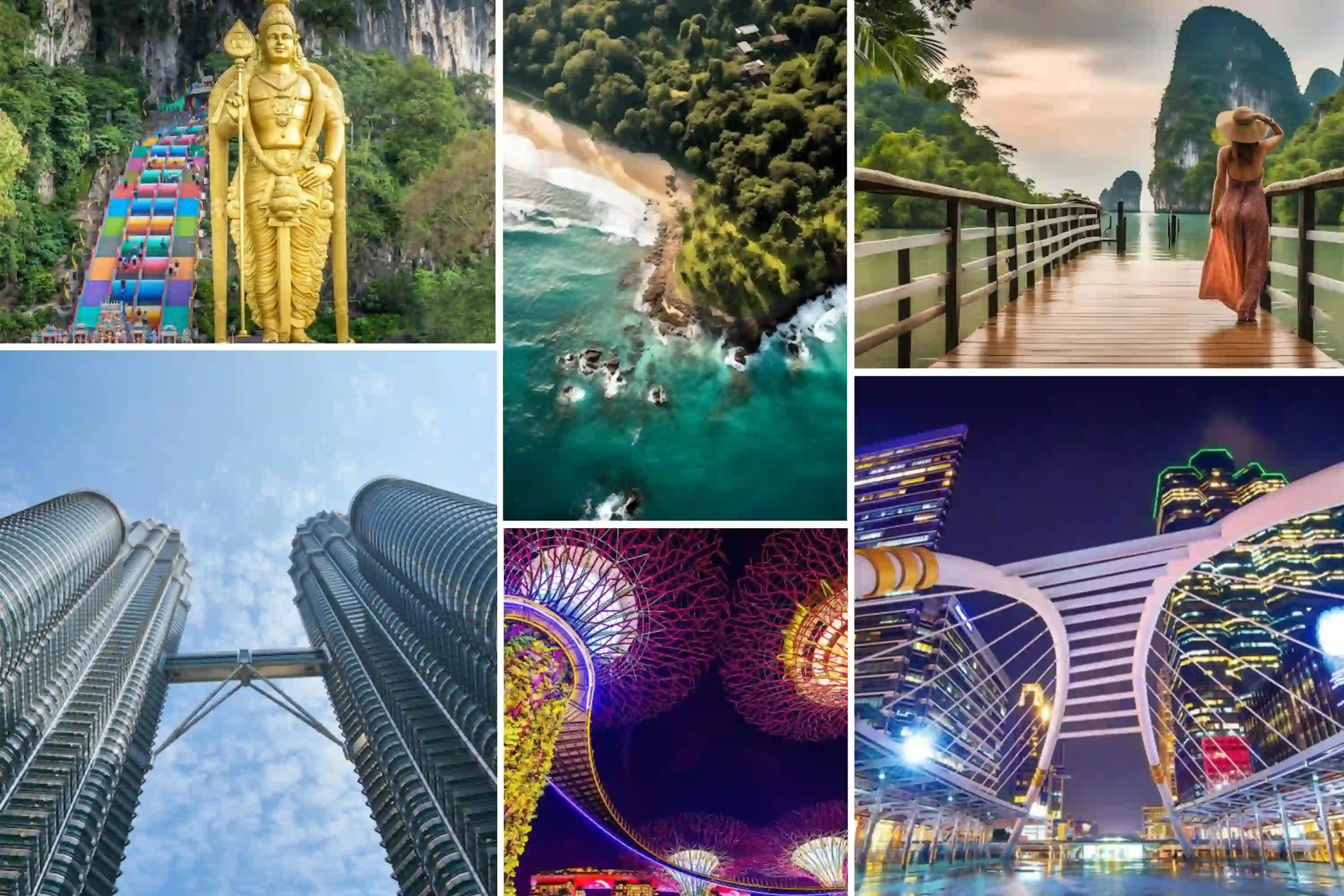
Malaysia attrations (Source: Collected)
Entrance fees to popular sights
Some cultural and historical sites remain affordable, but admission to major landmarks can rise quickly. Visiting observation decks or signature attractions may cost between $15 and $35, which is already higher than many comparable places in Vietnam.
Day tours and excursions
Guided trips, island hopping packages, or nature excursions often range from $40 to $120, depending on inclusions. These tours are professional and comfortable, but travelers will likely be more selective about how many they book.
Adventure and outdoor activities
Malaysia offers diving, rainforest exploration, and water sports, yet prices typically start higher. Many activities sit in the $40 to $150 range, especially in well-known destinations like Langkawi or Sabah.
Entertainment and nightlife
Modern entertainment, from sky bars to theme parks or special exhibitions, can vary widely but often begins around $20 and may exceed $80 or more for premium experiences.
Extra expenses many travelers overlook: Is Vietnam or Malaysia still cheaper?
When planning a budget, most people calculate flights, hotels, meals, and maybe a few tours. But once the trip begins, smaller payments start appearing everywhere — connectivity, bank fees, seasonal price jumps, or local charges that were never part of the original plan.
These extras might look minor on their own, yet together they can shift the answer to the classic question: is Vietnam or Malaysia cheaper?
Staying connected on arrival
The moment you land, you need internet. Whether it’s booking a ride, checking directions, or messaging your hotel, buying a SIM card becomes unavoidable.
In Vietnam, tourist SIM packages are usually very affordable. At the airport or in city shops, many travelers pay roughly $5 to $15 for generous data plans that easily last a couple of weeks. Because competition between providers is strong, prices remain friendly.
Malaysia is still reasonable, but typically higher. SIM cards at airports often range from $10 to $30, depending on data volume and validity. While speeds and coverage are excellent, budget travelers may immediately notice the difference.
Cash withdrawals and money exchange
ATM and currency fees rarely appear in travel guides, yet they can quietly drain your funds.
In Vietnam, many banks charge withdrawal fees that typically fall around $1 to $5 per transaction, depending on the machine and your home bank’s policy. Since Vietnam still relies heavily on cash in many situations, frequent withdrawals can accumulate.
Malaysia is more card-friendly, especially in cities and shopping malls. However, ATM fees for foreign cards often sit around $2 to $6, and currency exchange counters in tourist areas may offer less favorable rates.
Local and tourism-related charges
Some costs are built into the system and surprise travelers at check-in or during booking.
In parts of Malaysia, certain accommodations apply local or tourism taxes that may add a few extra dollars per night. Over a week, this becomes noticeable, especially for mid-range or luxury stays.
Vietnam generally has fewer standardized tourist taxes in comparison, although service charges can appear in upscale hotels. For most budget travelers, these extras remain smaller than what they would typically encounter in Malaysia.
High season price jumps
Timing can dramatically change your budget in both countries.
In Vietnam, major holidays or peak travel months can push hotel and flight prices upward, but increases often remain moderate outside the most famous hotspots.
Malaysia, especially around school holidays or popular island destinations, may experience sharper jumps. Rooms that normally cost a moderate amount can rise significantly, and flights fill quickly, leaving fewer cheap options.
If you travel during busy periods, Malaysia may no longer feel like the economical choice.
Still deciding between Vietnam and Malaysia?
After comparing the numbers, you probably have a better idea of is Vietnam or Malaysia cheaper for the way you like to travel. Some visitors value Malaysia’s modern systems and convenience, while others love how far their budget can stretch in Vietnam.
If Vietnam makes it onto your itinerary, SinhCafe can help you move between destinations with reliable transport services, airport transfers, and well-known travel routes trusted by international travelers. Clear pricing and experienced operators mean fewer surprises and smoother journeys.
After comparing the numbers, you probably have a better idea of is Vietnam or Malaysia cheaper for the way you like to travel (Source: Southest Asia Travel)
And if your adventure doesn’t stop at one country, SinhCafe also designs Indochina tours that connect Vietnam with neighboring destinations, making multi-country travel easier to plan and manage.
Wherever you decide to go, knowing the real costs helps you travel smarter and if Vietnam or a wider Indochina journey is in your plan, SinhCafe is ready to support the ride.
So, is Vietnam or Malaysia cheaper? For most day-to-day expenses, Vietnam usually comes out ahead. Lower ride prices, affordable food, budget-friendly entrance fees, and inexpensive accommodation make it easier for travelers to do more while spending less. Malaysia, however, offers modern infrastructure, efficient public transport, and highly organized attractions. While you may pay more, many visitors appreciate the added comfort, convenience, and predictability. In the end, the better choice depends on what matters most to you, saving money or enjoying a smoother, more structured travel experience.
Share via




Related articles

Visit Ha Giang in November: Is it a good time to go?
Posts | 21/09/2026

Yang Bay Waterfall: A Hidden Paradise near Nha Trang you shouldn’t miss
Blog | 24/03/2026

Diep Son island: Walk across the sea in Vietnam’s hidden paradise
Posts | 24/03/2026

Co Tien Mountain: A Scenic Hike with Stunning Views in Nha Trang
Blog | 24/03/2026






There are no reviews yet