


Vietnam or Thailand-which is the more attractive destination?
Vietnam and Thailand are two leading Southeast Asian destinations that often appear on the same travel itinerary but offer distinctly different experiences. Both are rich in culture, history, and vibrant traditions, yet they differ in landscapes, daily life, and how visitors engage with them. This article gives an overview to help answer the question: “Is Vietnam or Thailand better to visit?”
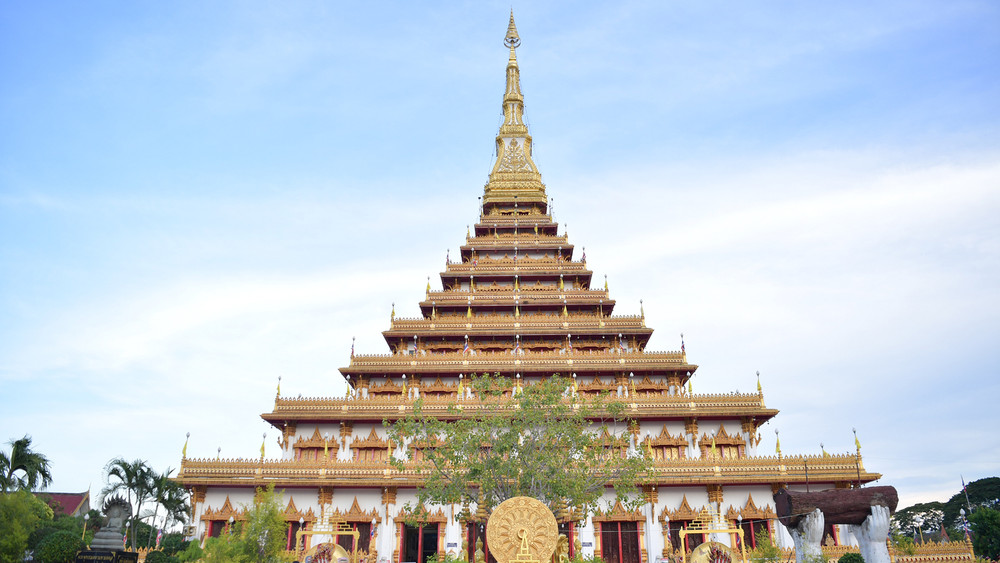
Overall about Viet Nam and Thailand
Located in the heart of Southeast Asia, Vietnam or Thailand has long attracted international travelers thanks to their strategic locations, cultural diversity, and dynamic social life. As popular destinations for both short trips and long-term travel, the two countries share certain regional characteristics while still maintaining their own distinct identities.
Vietnam
Vietnam is a highly appealing travel destination in Southeast Asia, offering a rich combination of natural beauty, cultural heritage, and authentic local experiences. From the scenic mountains and terraced rice fields in the North to the long coastline and tropical landscapes in the central and southern regions, Vietnam provides travelers with a wide variety of places to explore.
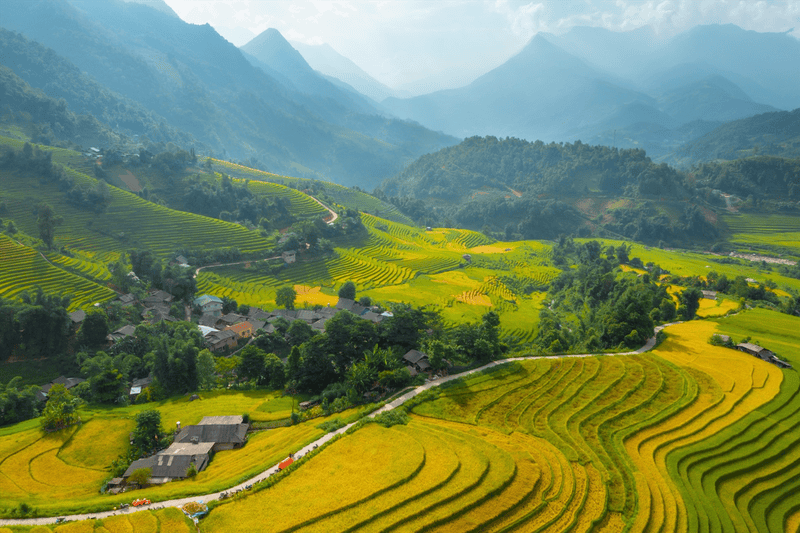
Rice paddy on the hill (Source: Lao Dong newspaper)
Tourists can easily immerse themselves in local life through street food culture, traditional markets, and historic towns, while also visiting famous landmarks such as ancient temples, colonial architecture, and natural wonders.
Thailand
Thailand is one of the most well-established travel destinations in Southeast Asia, widely known for its vibrant tourism industry, stunning beaches, and rich cultural attractions. The country offers a diverse range of experiences, from bustling cities and lively street life to tropical islands, white-sand beaches, and mountainous regions in the North.
Visitors to Thailand can enjoy a well-developed tourism infrastructure, making travel convenient and accessible, while still experiencing traditional temples, colorful festivals, and distinctive local cuisine.
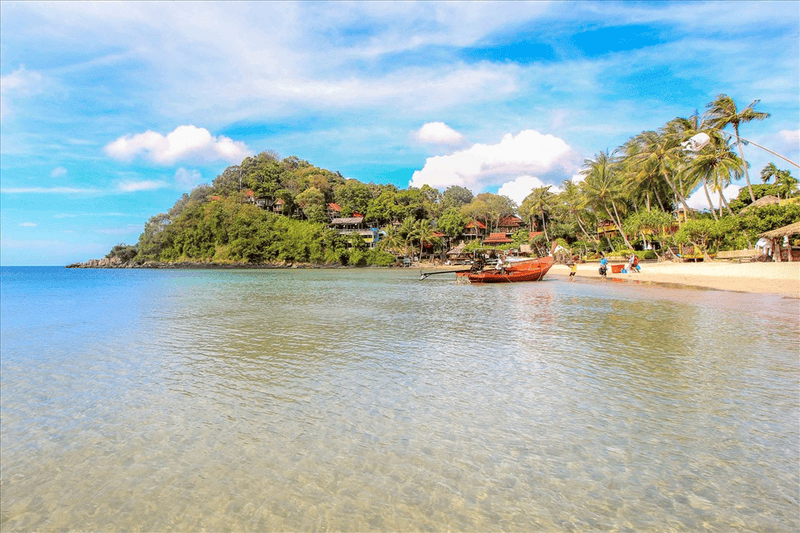
A Thailand beach (Source: Lao Dong Newspaper)
Thanks to its balance between modern entertainment and cultural exploration, Thailand remains a popular choice for travelers seeking both relaxation and dynamic travel experiences.
Architecture between Vietnam and Thailand
Architecture serves as a strong reflection of a country’s history, cultural values, and religious influences. In Southeast Asia, Vietnam and Thailand present two distinctive architectural styles shaped by different historical backgrounds and artistic traditions. While both countries feature a rich collection of temples, palaces, and traditional buildings, their architectural forms, materials, and decorative details reveal clear contrasts.
Vietnam-French-influenced architectural heritage
French-influenced architecture in Vietnam represents a significant part of the country’s urban and historical identity, particularly in major cities such as Hanoi and Ho Chi Minh City. This architectural style is characterized by symmetrical layouts, arched windows, classical columns, and refined facades, reflecting strong European design principles.
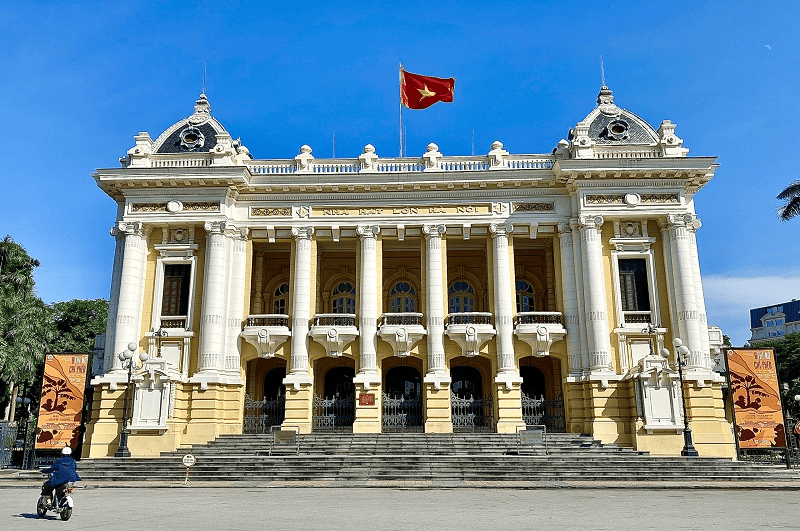
A French-architectured building-Ha Noi opera theatre (Source: Vietnam national Authority of tourism)
Today, this architectural style remains an important symbol of Vietnam’s colonial history and continues to attract visitors interested in urban heritage and architectural exploration.
Thailand – Traditional and royal architectural style
Traditional Thai architecture is strongly shaped by religious beliefs and royal traditions, making it a key symbol of Thailand’s cultural identity. This architectural style is most clearly reflected in temples and palaces, which are characterized by multi-tiered roofs, pointed gables, and rich ornamental details. The extensive use of gold, bright colors, and symbolic patterns creates a sense of grandeur and spiritual significance in Thai architectural design.
A Thai-architecture tower in Thai Lan (Source: Nhan Dan newspaper)
Another defining feature of Thai architecture lies in its emphasis on symbolism and craftsmanship. Decorative elements such as carvings, murals, and sculptures often represent religious stories and cultural values, turning architectural structures into visual expressions of Thai history and belief systems.
Natural attractions
Beyond architectural heritage, natural attractions play a crucial role in shaping the travel experiences offered by Vietnam and Thailand. From diverse landscapes to iconic natural landmarks, both countries provide visitors with a wide range of opportunities to explore nature in different forms.
VietNam
In Vietnam, natural attractions highlight the country’s diverse landscapes and scenic beauty. Many well-known sites stand out for their visual appeal and popularity among visitors, making them representative of Vietnam’s overall natural tourism.
- Long coastline, beaches
Vietnam’s long coastline is one of its most prominent natural attractions, offering a wide range of beaches and coastal destinations. Popular locations such as Da Nang, Nha Trang, and Phu Quoc are well known for their sandy beaches, clear waters, and strong appeal to both domestic and international visitors.

Nha Trang beach (Source: Tuoi tre newspaper)
These coastal areas play a significant role in shaping Vietnam’s image as an attractive seaside destination in Southeast Asia.
- Mountains, terraced rice fields
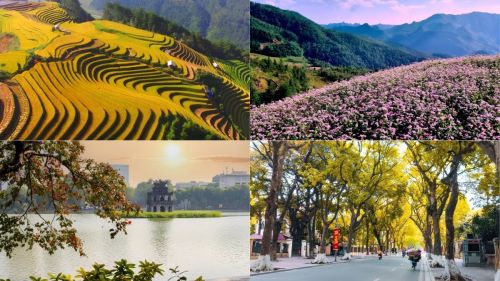
Mountainous landscapes and terraced rice fields are another important natural attraction in Vietnam, particularly in the northern regions. Destinations such as Sapa and Ha Giang are widely recognized for their dramatic mountain scenery and iconic terraced fields, which create visually striking landscapes. These areas attract visitors seeking scenic views and a deeper appreciation of Vietnam’s natural beauty.
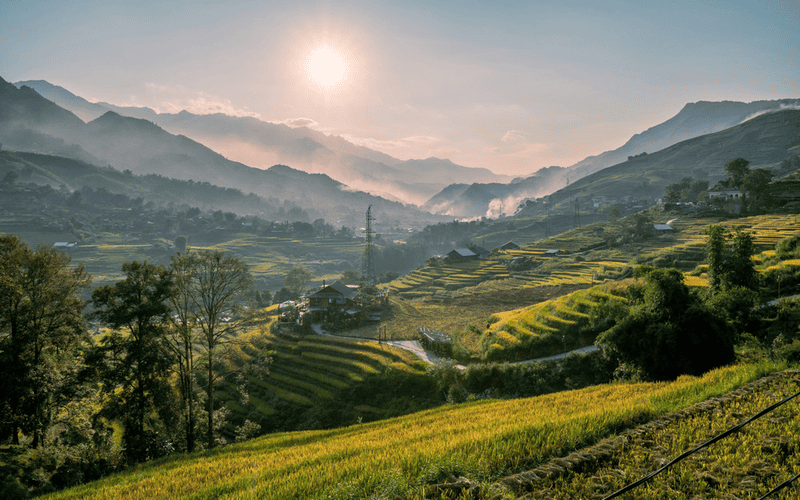
Dawn at a mountainous tourism area (Source: Nhan Dan newspaper)
- Natural wonders
Vietnam possesses a wide range of natural wonders that play an important role in attracting visitors and shaping the country’s tourism image. These attractions are valued for their uniqueness, scenic beauty, and strong appeal to both domestic and international travelers. Among Vietnam’s many natural landmarks, Ha Long Bay is often regarded as a representative example of the country’s outstanding natural wonders.
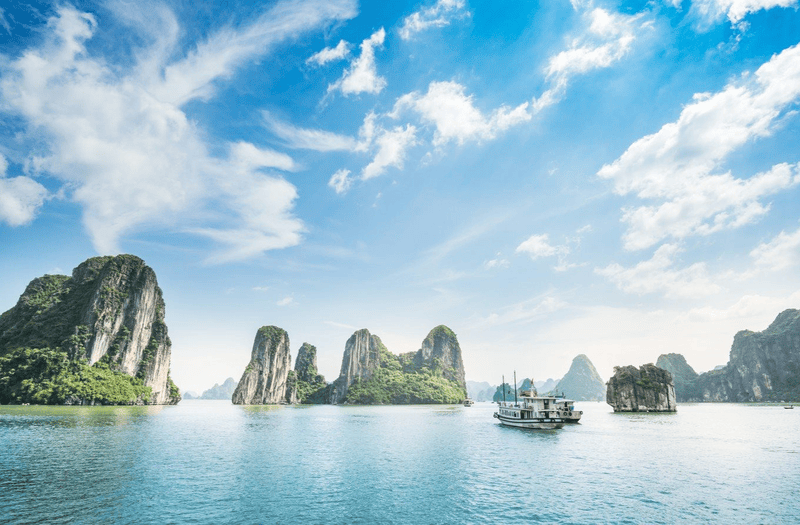
Ha Long Bay (Source: VnExpress)
Thailand
In Thailand, natural attractions also play a central role in shaping the country’s appeal as a travel destination. The country offers a wide variety of landscapes and well-known natural sites that attract large numbers of visitors each year.
- Tropical islands and beaches
Thailand is well known for its tropical islands and beaches, which are among the country’s most popular natural attractions. These coastal destinations are characterized by clear waters, sandy beaches, and a relaxed atmosphere that appeals to a wide range of travelers. As a result, tropical islands and beaches play a significant role in Thailand’s natural tourism and international travel image.
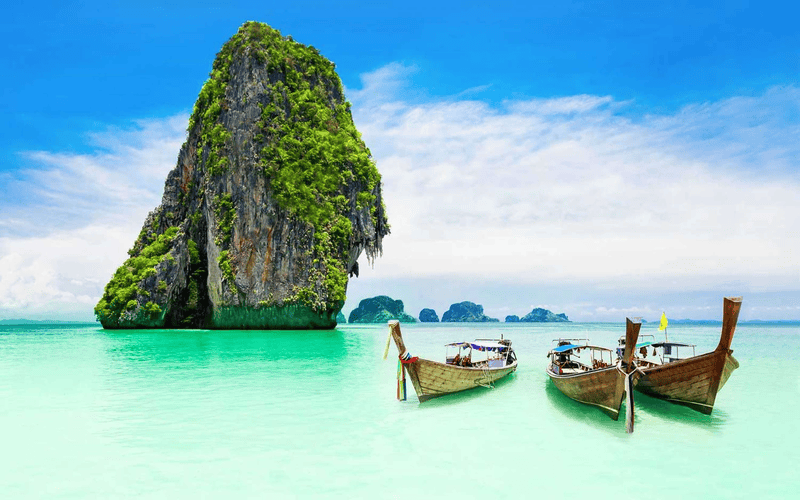
Phuket beach (Source: Dan Tri newspaper)
- Waterfalls, jungles, national parks
In addition to its coastal attractions, Thailand also features a rich natural environment consisting of waterfalls, jungles, and national parks. These areas highlight the country’s biodiversity and offer visitors opportunities to experience nature beyond beaches and islands. As an important part of Thailand’s natural attractions, waterfalls and protected forests contribute to a more diverse and well-rounded travel experience.
Read more: Hon Thom Island: Everything you need to know before you go
Historical attractions
In addition to natural attractions, historical sites play an essential role in shaping the tourism appeal of both Vietnam and Thailand. These attractions reflect each country’s historical development, cultural identity, and architectural heritage, allowing visitors to gain deeper insights into their past. Examining historical attractions in both countries helps highlight similarities and differences in how history is preserved and presented to travelers.
Vietnam-Imperial and Ancient Heritage Sites
In Vietnam, historical attractions reflect the country’s long and complex history, shaped by different periods of cultural and political influence. Many sites stand out for their historical significance and strong connection to national identity, making them representative of Vietnam’s historical tourism.
- Hue Imperial City
Hue Imperial City is one of Vietnam’s most significant historical attractions, closely associated with the Nguyen Dynasty. As a former imperial capital, the site reflects the political power and royal traditions of Vietnam’s last feudal dynasty through its palaces, gates, and ceremonial spaces.
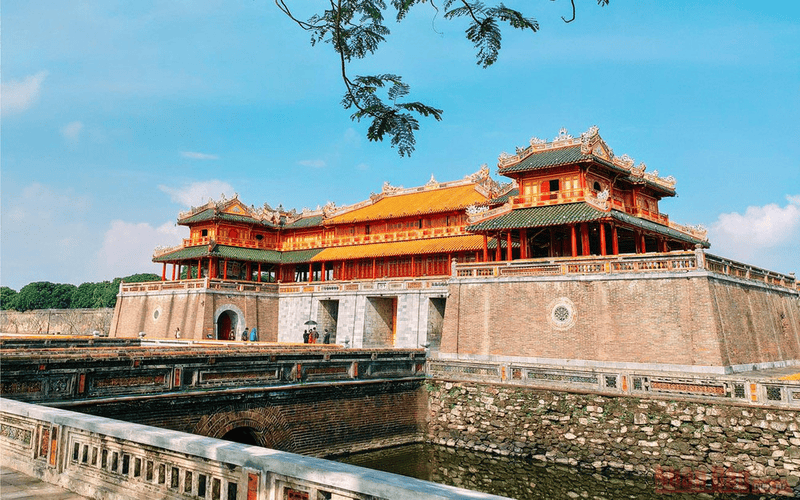
Hue Imperial City (Source: Nhan Dan newspaper)
Today, Hue Imperial City stands as a key symbol of Vietnam’s historical heritage and continues to attract visitors interested in the country’s royal past and cultural legacy.
- Hoi An Ancient Town
Hoi An Ancient Town is a well-preserved historical site that reflects Vietnam’s past as an important trading port. The town is known for its traditional houses, narrow streets, and long-standing cultural influences from different regions, which together illustrate its historical development. As a result, Hoi An Ancient Town represents a distinctive historical attraction and remains a popular destination for visitors interested in Vietnam’s cultural and historical heritage.
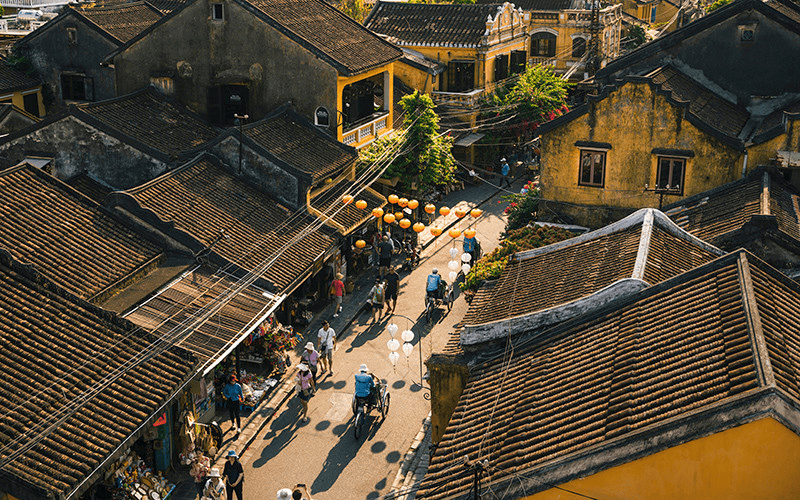
Hoi An Ancient Town (Source: Nhan Dan newspaper)
- Thang Long Imperial Citadel
Thang Long Imperial Citadel is one of Vietnam’s most important historical landmarks, representing the country’s long history of political and cultural development. As the former center of power for several dynasties, the site reflects different historical periods through its remaining structures and archaeological remains.

Thang Long Imperial Citadel (Source: Lao Dong newspaper)
Today, Thang Long Imperial Citadel serves as a key historical attraction for visitors seeking to understand Vietnam’s imperial past and national identity.
Thailand – ancient capitals and royal landmarks
Similarly, Thailand offers a range of historical attractions that reflect its long-standing cultural and political heritage. These sites highlight the country’s historical development and royal traditions, providing visitors with insight into Thailand’s past. The following sections introduce three key historical landmarks that are representative of Thailand’s historical tourism.
- Ayutthaya historical park
Ayutthaya Historical Park is one of Thailand’s most significant historical attractions, representing the former capital of the Ayutthaya Kingdom. The site is known for its temple ruins, statues, and architectural remains, which reflect the power and cultural influence of the kingdom in the past.

Ayutthaya historical park (Source: Asia King Travel)
Today, Ayutthaya Historical Park stands as a symbol of Thailand’s historical heritage and attracts visitors interested in the country’s ancient history and royal legacy.
- Sukhothai Historical Park
Sukhothai Historical Park is a major historical landmark that reflects the origins of Thai civilization. As the former capital of the Sukhothai Kingdom, the site features well-preserved ruins and monuments that illustrate early Thai art, culture, and political development.
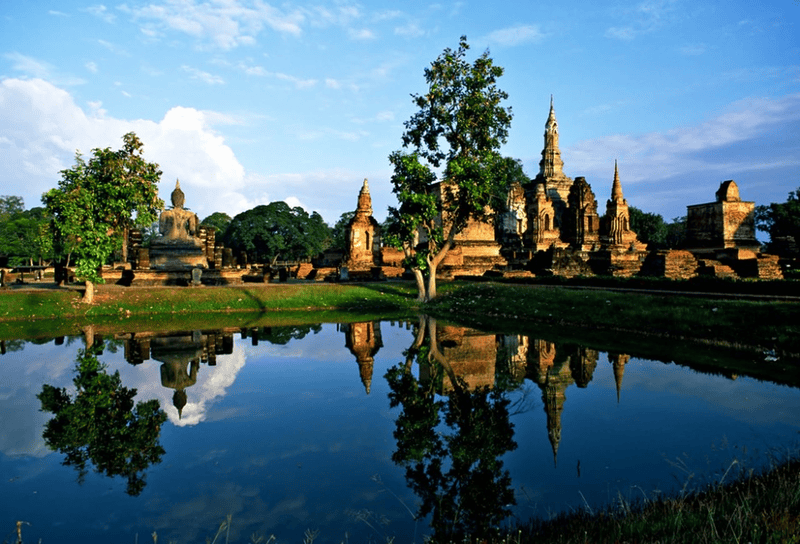
Sukhothai Historical Park (Source: Dan Tri newspaper)
Today, Sukhothai Historical Park remains an important destination for visitors seeking to understand the foundations of Thailand’s historical and cultural identity.
- The Grand Palace
The Grand Palace is one of Thailand’s most iconic historical attractions, closely associated with the country’s monarchy and royal traditions. Located in Bangkok, the complex showcases elaborate architectural details and ceremonial spaces that reflect the significance of the Thai royal institution.
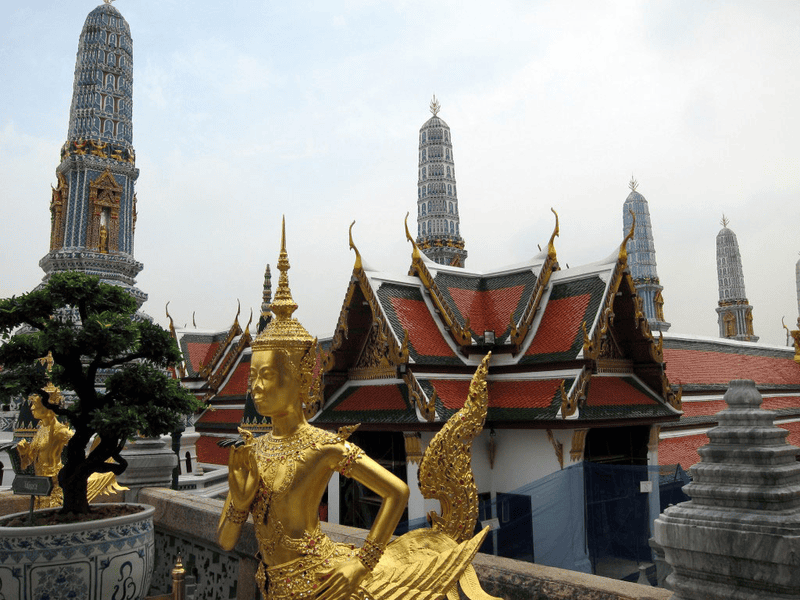
A corner of The Grand Palace (Source: Thanh Nien newspaper)
Today, The Grand Palace remains a powerful symbol of Thailand’s history and continues to attract visitors interested in the nation’s cultural and historical heritage.
Local cuisines
Local cuisines also play an essential role in shaping the travel experience in both Vietnam and Thailand. Through distinctive flavors, ingredients, and cooking traditions, food reflects each country’s culture and daily life. Exploring local cuisines allows visitors to gain a deeper understanding of national identity beyond historical sites and natural attractions.
Vietnam
In Vietnam, local cuisine reflects the country’s cultural diversity and everyday lifestyle. A number of traditional dishes stand out for their popularity and cultural significance, making them representative of Vietnam’s culinary identity.
- Pho
Pho is one of Vietnam’s most iconic traditional dishes and a key symbol of the country’s culinary culture. Known for its fragrant broth, rice noodles, and thinly sliced meat, pho is widely enjoyed by both locals and visitors, reflecting the simplicity and balance that characterize Vietnamese cuisine.
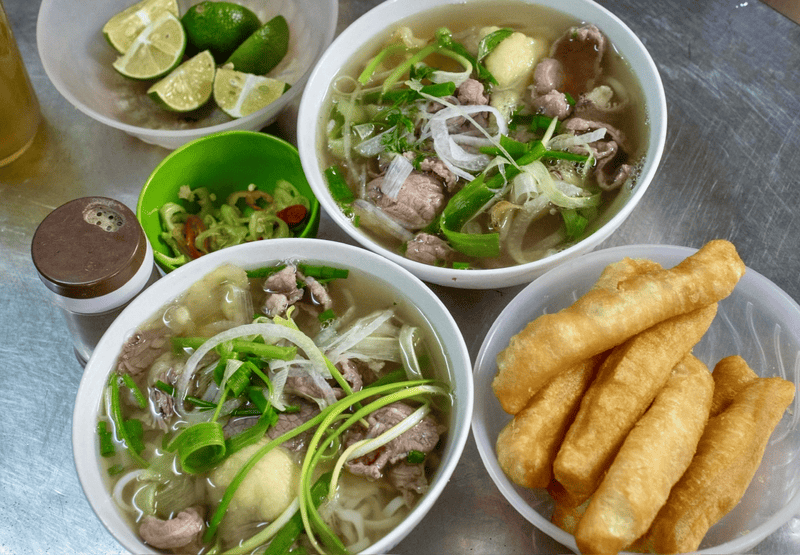
Pho (Source: VnExpress)
- Bun bo Hue
Bun Bo Hue is a well-known traditional Vietnamese dish originating from central Vietnam. Characterized by its rich, spicy broth and distinctive combination of beef and noodles, the dish reflects the bold and flavorful style of regional Vietnamese cuisine.

Bun bo Hue (Source: Lao Dong newspaper)
- Banh xeo
Banh xeo is a popular Vietnamese savory pancake that represents the diversity of the country’s local cuisine. Made from rice flour and turmeric and filled with ingredients such as shrimp, pork, and bean sprouts, the dish is widely enjoyed across different regions of Vietnam.

Banh xeo (Source: Nguoi Ha Noi magazine)
Thailand
In Thailand, local cuisine is known for its bold flavors and strong culinary identity. Several traditional dishes stand out for their popularity and cultural significance, making them representative of Thailand’s food culture.
- Pad Thai
Pad Thai is one of Thailand’s most well-known traditional dishes and a symbol of the country’s street food culture. Made with stir-fried rice noodles, eggs, and a combination of savory and slightly sweet flavors, the dish is widely enjoyed by both locals and visitors.
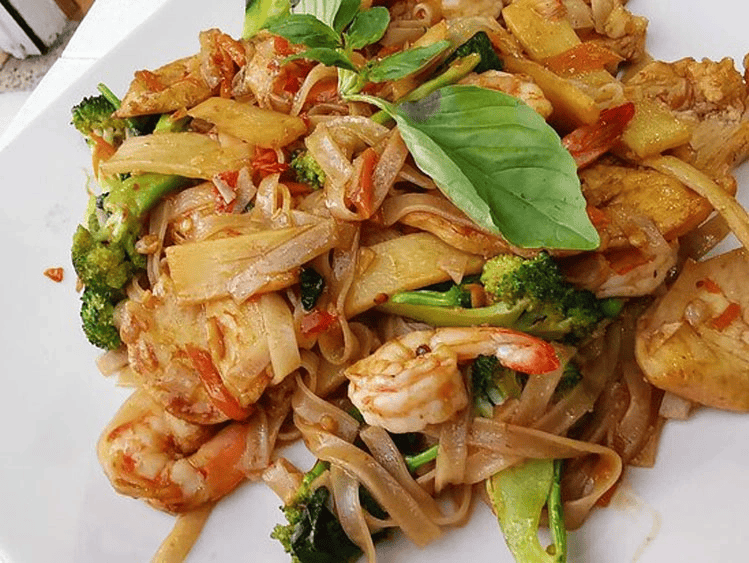
Pad Thai (Source: VnExpress)
- Tom Yum
Tom Yum is a famous Thai soup known for its hot and sour flavor profile. Made with aromatic herbs and spices such as lemongrass, lime leaves, and chili, the dish reflects the bold and distinctive taste that characterizes Thai cuisine.

Tom Yum (Source: Nhan Dan newspaper)
- Som Tum
Som Tum is a traditional Thai papaya salad that represents the fresh and vibrant side of Thai cuisine. Known for its combination of spicy, sour, sweet, and salty flavors, the dish is especially popular in everyday meals and street food culture.
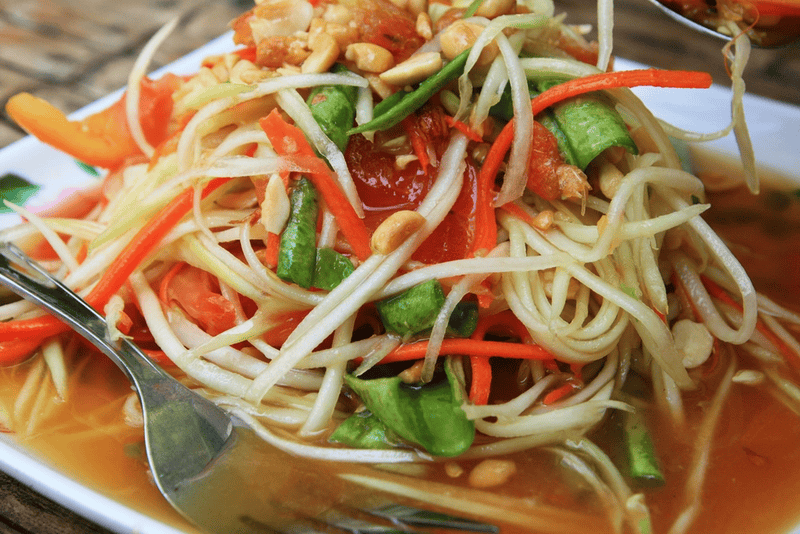
Som Tum (Source: VnExpress)
Read more: Bun thang: Where to enjoy them? | 9+ nice restaurants in Hanoi
FAQ about Thailand or Vietnam
To help travelers gain a clearer understanding of the differences and similarities between Vietnam and Thailand, the following section addresses several frequently asked questions. These questions focus on key aspects of travel experiences in both countries and provide concise comparisons to support informed travel decisions.
Is Vietnam or Thailand cheaper?
Generally, Vietnam tends to be slightly cheaper than Thailand for many everyday travel expenses such as food, local transportation, and budget accommodations. While both countries are considered affordable destinations in Southeast Asia, prices in popular Thai tourist areas (especially islands and major cities) can be higher due to stronger tourism demand.
Is Vietnam or Thailand safer for tourists?
Thailand and Vietnam are both considered safe for tourists, welcoming millions of visitors each year. Most concerns involve petty theft, pickpocketing in crowded areas, and traffic rather than violent crime, and with basic precautions travelers generally feel comfortable in both countries.
How does local daily life influence tourism in Vietnam or Thailand?
Local daily life plays an important role in shaping tourism experiences in both Vietnam and Thailand, but in different ways.
In Vietnam, tourism is often closely connected to everyday activities such as street food culture, traditional markets, and neighborhood life, allowing visitors to observe and participate in local routines.
In Thailand, daily life is more strongly integrated into a well-organized tourism system, where cultural practices, street life, and festivals are presented in a more structured and visitor-friendly manner.
What seasonal factors should travelers consider when choosing between Vietnam and Thailand?
When choosing between Vietnam and Thailand, travelers should consider differences in climate patterns and peak travel seasons. Vietnam’s weather varies significantly by region, meaning travelers need to plan carefully depending on whether they visit the north, central, or southern areas. In contrast, Thailand generally has more consistent seasons nationwide, with a clear dry season and a rainy season that can affect beach and outdoor activities.
Which country to choose: Vietnam or Thailand?
In conclusion, Vietnam and Thailand each offer distinctive travel experiences shaped by their cultural backgrounds, natural environments, and approaches to tourism. While Vietnam is often associated with strong local identity, historical depth, Thailand is known for its well-developed tourism infrastructure and wide range of attractions. Understanding these differences allows travelers to better evaluate which destination aligns with their personal interests and travel expectations.
For travelers interested in exploring Vietnam or Thailand in a structured and informative way, selecting a reputable travel agency is highly recommended. SinhCafe is one option that travelers may consider, particularly for tours that include in-depth exploration of Vietnam. Although tours to Thailand are not yet available, our Vietnam tours like Vietnam Highlights 09 Days offer well-organized itineraries and meaningful travel experiences. For booking details or further inquiries, please contact our hotline at +84 904 488 850 or visit our website-our team is always ready to assist.
Share via




Related articles
Visit Ha Giang in November: Is it a good time to go?
Posts | 21/09/2026

Yang Bay Waterfall: A Hidden Paradise near Nha Trang you shouldn’t miss
Blog | 24/03/2026

Diep Son island: Walk across the sea in Vietnam’s hidden paradise
Posts | 24/03/2026

Co Tien Mountain: A Scenic Hike with Stunning Views in Nha Trang
Blog | 24/03/2026






There are no reviews yet