


Vietnam Rain Season: Regional Rain Patterns Travelers Should Know
Vietnam rain season varies by region, with different months, rainfall patterns, and weather conditions. Here’s how the rainy months differ across Vietnam.
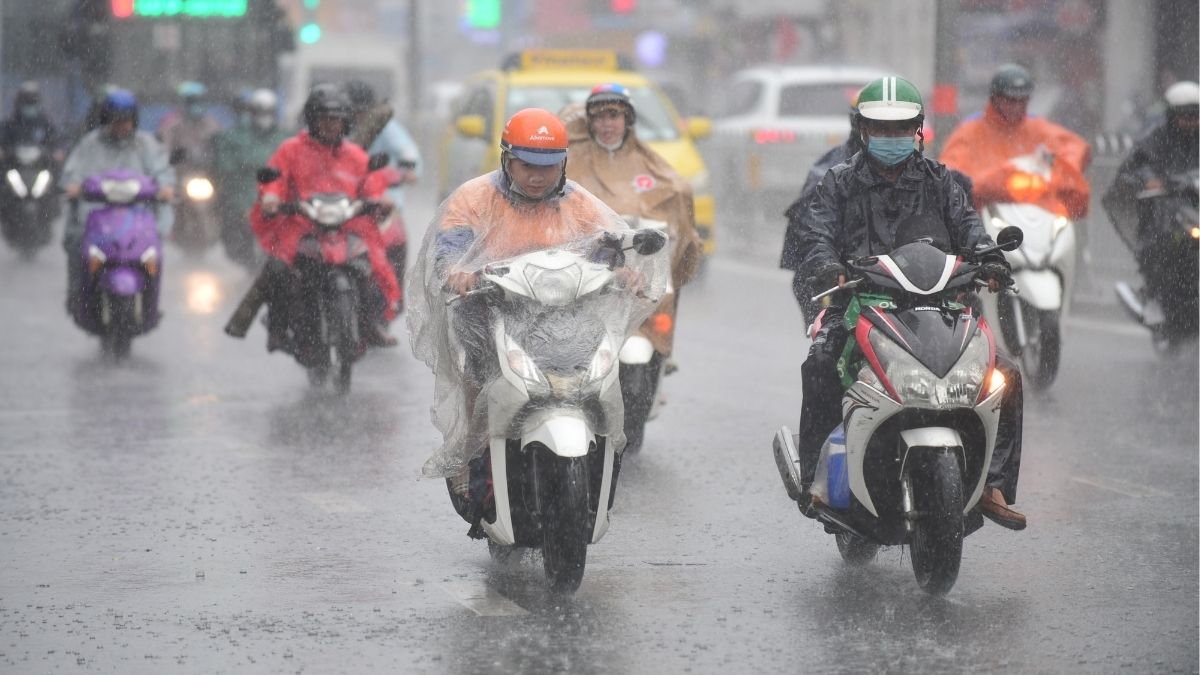
Vietnam does not have one rainy season. The timing and intensity of rainfall vary between regions, so the weather in Hanoi can be very different from what you experience in Hoi An or Ho Chi Minh City. This guide breaks down Vietnam’s rain season by region and shows how to match the weather to your itinerary during the Vietnam rain season.
Vietnam's Rain Seasons at a Glance
|
Region |
Rainy Season |
Driest Period |
What to Know |
|
North |
May-September/October |
November-April |
Hot, humid, heavy downpours |
|
Central |
September-December |
February-July/August |
Storms, heavy rain, flood risk |
|
South |
May-November |
December-April |
Tropical showers, high humidity |
|
Central Highlands |
May-October |
November-April |
Heavy rain, slippery mountain roads |
Vietnam doesn't have just one rainy season
Ask when Vietnam's rainy season falls, and the answer depends on where you are going. The North is wettest through the summer, the South from May to November, while Central Vietnam gets most of its rain later in the year, from September into December. These different patterns mean that a route through several regions can experience very different weather within the same trip when navigating the Vietnam rain season.
The type of rain also varies by region. Northern and southern showers are often short and followed by clearer periods, while Central Vietnam's late-year rainfall can be heavier and more disruptive, particularly during storm systems. Therefore, Vietnam can be said to have three main rainy seasons by region, with different rainfall patterns across the North, Central Vietnam, and the South as part of the Vietnam wet season.
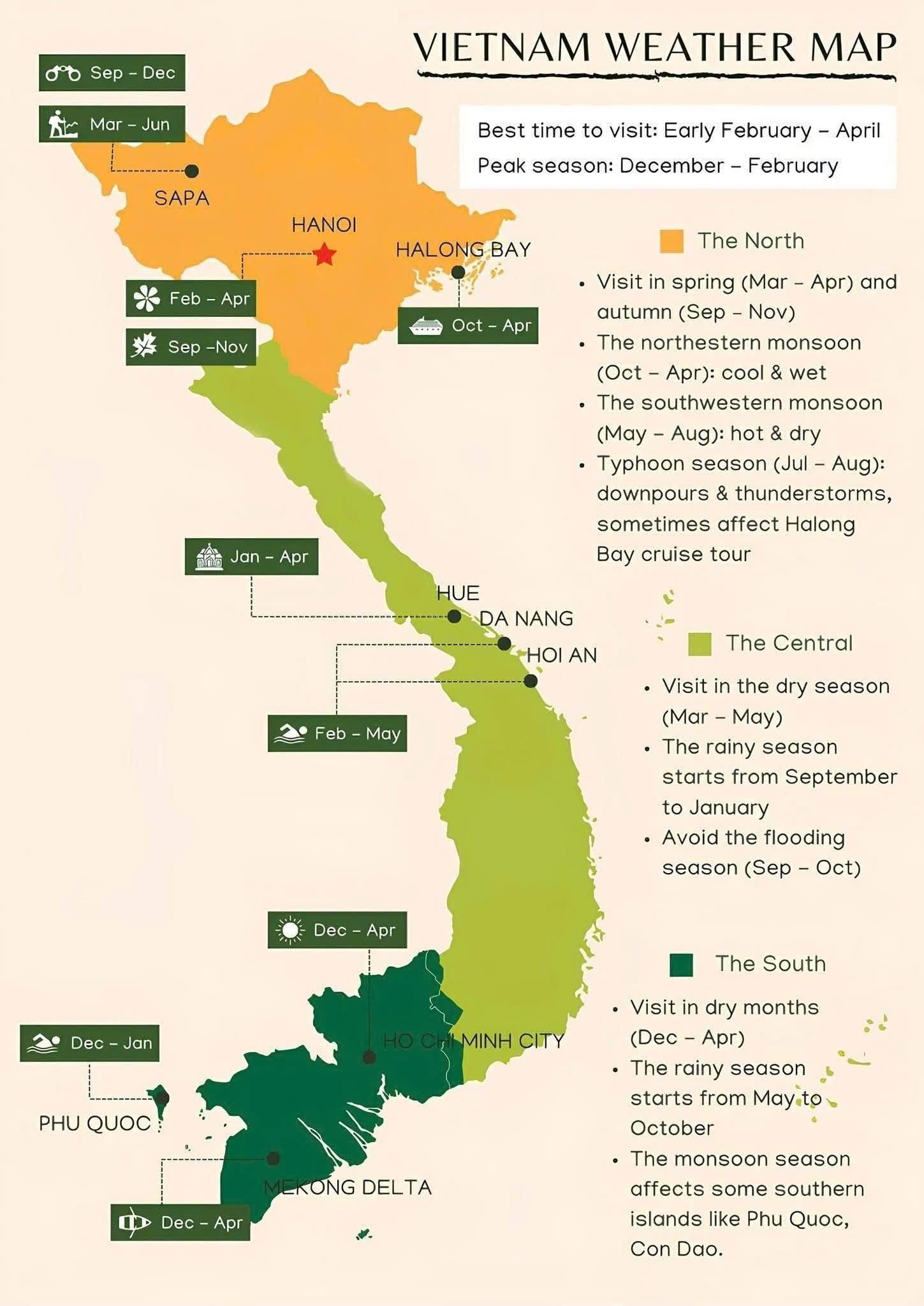 Vietnam does not have one rainy season (Source: Pinterest)
Rainy Season vs Dry Season: The Real Differences
Beyond rainfall totals, the Vietnam wet and dry season can change the actual experience of getting around the country, not just whether you'll need an umbrella.
|
Rainy Season |
Dry Season |
|
|
Rainfall |
More frequent, often heavy |
Lower, more predictable |
|
Outdoor activities |
Need more flexibility |
Easier to schedule in advance |
|
Central Vietnam |
Storm and flood risk |
Generally more stable |
|
Southern Vietnam |
Tropical showers common |
Drier conditions |
|
Mountain travel |
Mud, reduced visibility |
Usually easier to navigate |
|
Cave and river tours |
Water levels can limit access |
Less weather disruption |
The dry season wins on predictability, which is why it's the default advice for first-time visitors juggling a tight itinerary. But "predictable" doesn't automatically mean "better", the wet season brings its own upside, from lusher green landscapes to noticeably thinner crowds at major sights. The trade-off is really about how much flexibility your schedule can absorb, not which season is objectively superior during the dry season in Vietnam.
Read more: South Vietnam Itinerary: 7 Days from Ho Chi Minh City to Phu Quoc
Vietnam's rain season by region
North: When summer is also the wettest season
Northern Vietnam's rainy season runs roughly May through September or October, overlapping almost exactly with the hottest months of the year. Hanoi averages around 1,610 mm of rain annually, with August alone bringing about 275 mm and June close behind at 265 mm, a pattern that means the capital's muggiest, most humid stretch and its wettest stretch are, inconveniently, the same few months in the Vietnam rain season (Source: junglebosstours.com).
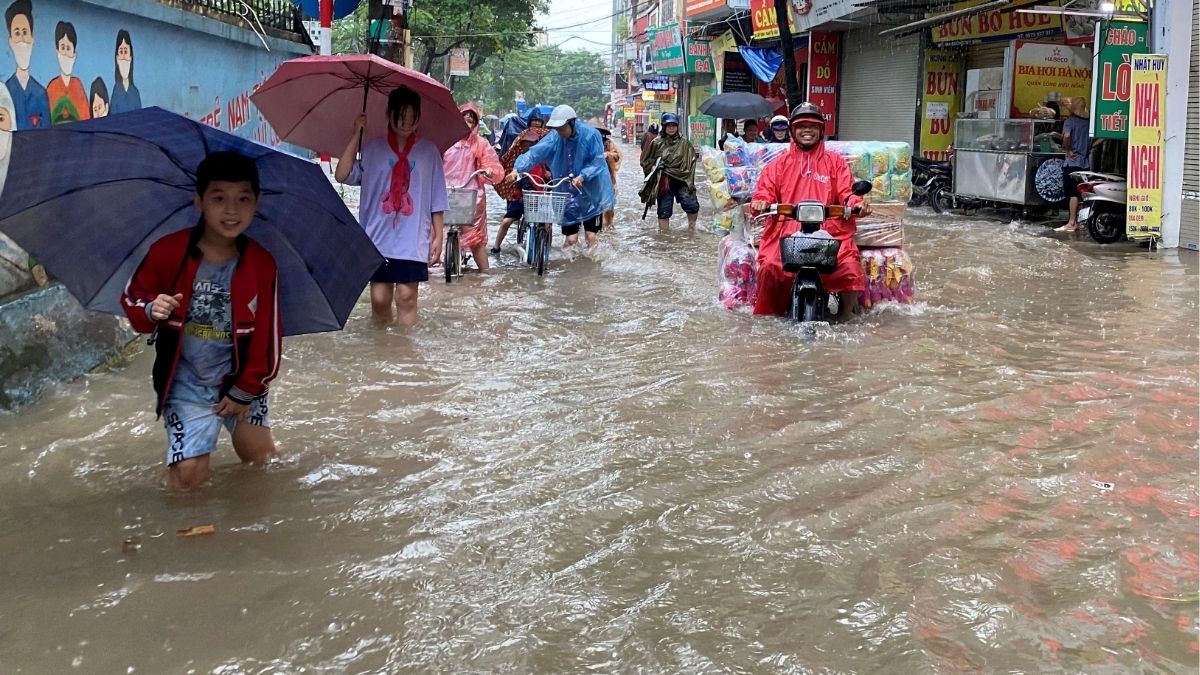 Northern Vietnam's rainy season runs roughly May through September or October (Source: rfa.org)
That overlap between heat and rain is exactly why "what's the best climate in Vietnam" can't be answered with a single month for the whole country. A traveler chasing cooler weather in the North needs to look toward November through April instead, when Hanoi's driest, coolest months line up, a very different calendar from what suits Central or Southern Vietnam in the same window.
Trekking-focused trips into the northern mountains carry an extra layer of seasonal risk worth flagging directly: heavy summer rain here raises landslide risk on routes like the Ha Giang Loop, where slippery roads and reduced visibility can force route changes with little warning. Anyone planning a motorbike trip through the northern highlands in the Vietnam wet season should build real buffer time into the schedule rather than follow a tight day-by-day plan.
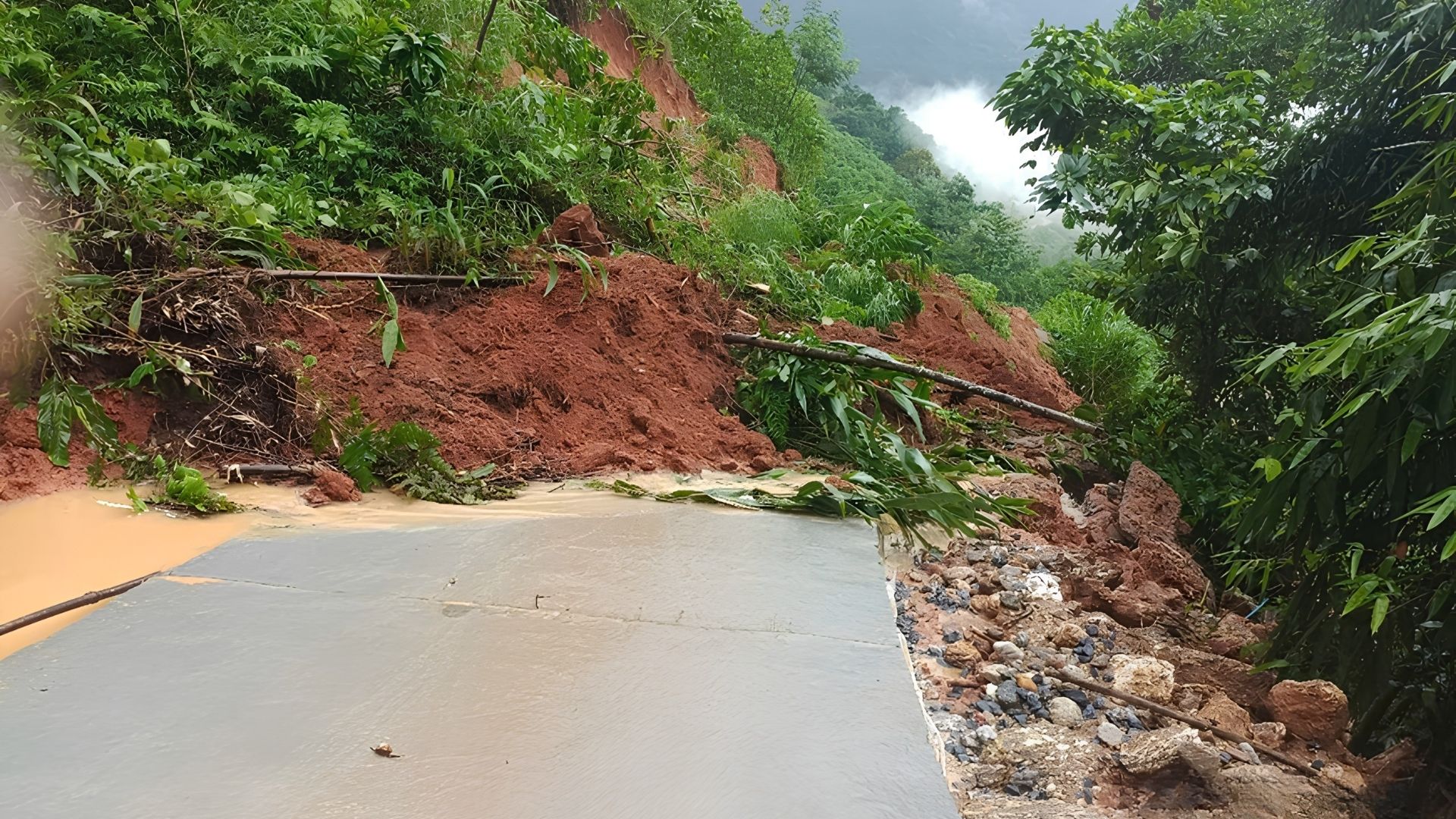
Heavy summer rain here raises landslide risk on routes (Source: Bao QDND)
Central: A rainy season that arrives late
Central Vietnam has a different rainfall pattern. During the Vietnam rain season, most of its rain falls from September through December, when the north and south are starting to become drier.
Some typical rainfall figures are:
- Hue: About 2,795 mm per year, including around 755 mm in October and 620 mm in November.
- Da Nang: Roughly 2,145 mm per year, with October typically the wettest month.
- Dong Hoi: Around 2,190 mm per year, also with October typically being the wettest month (Source: climatestotravel.com).
The key difference is not only when it rains, but how heavily it can rain. Central Vietnam's coast is exposed to Pacific typhoon systems, so late-year rain can sometimes last much longer and be much heavier than a typical tropical shower.
Hoi An's flooding in late October 2025 shows why this difference matters. Floodwater in the Ancient Town reached roughly 1.78 meters, temporarily closing parts of the UNESCO-listed area (Source: Bao Vietnam Net). For trips to central Vietnam, checking recent weather and flood conditions is therefore especially important during the late-year Vietnam rainy season.
 Heavy rain can turn parts of Hoi An's Ancient Town into waterways during periods of flooding (Source: Vietnam Plus)
South: Rain that comes and goes
Southern Vietnam's rainy season generally runs from May to November. The drier period follows from December to April. Ho Chi Minh City receives around 1,930 mm of rain each year. Rainfall peaks at about 325 mm in September and 310 mm in June. The south also has a local weather pattern known as “han ba chan”. Even during the rainy season, Vietnam can experience a short dry spell lasting roughly seven to ten days, most commonly around August.
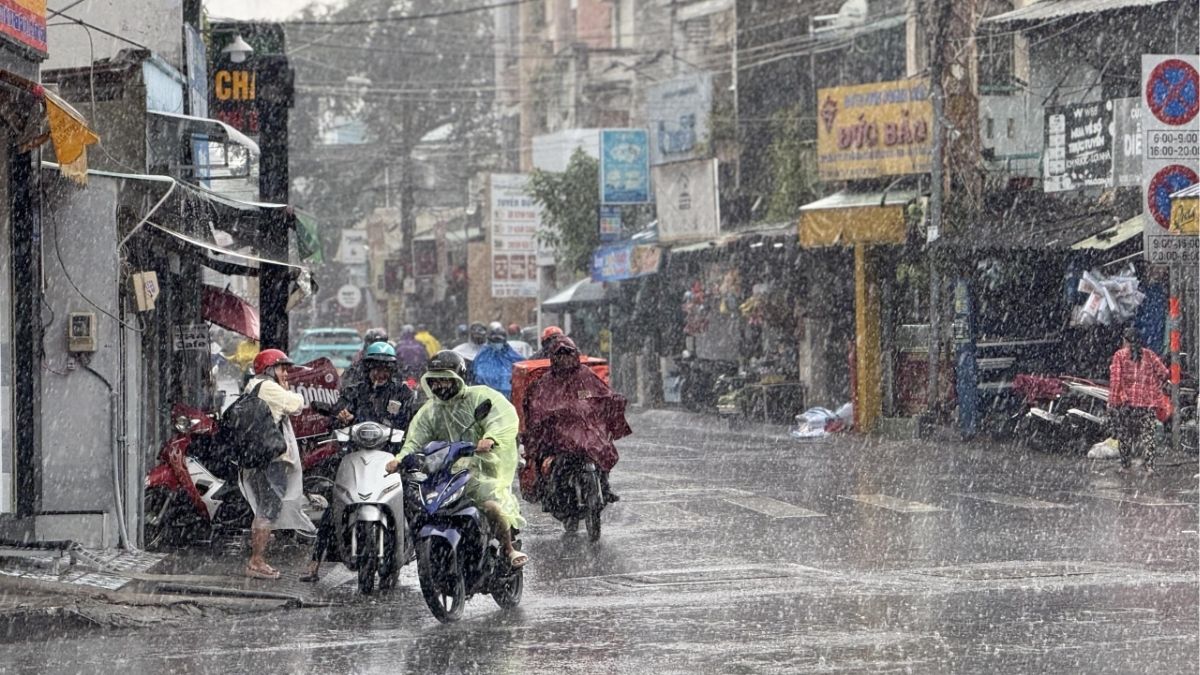 Southern Vietnam's rainy season generally runs from May to November (Source: Bao Thanh Nien)
This is a useful reminder that " Vietnam rain season" does not mean it rains every day. Rain in the south also tends to come in shorter, more predictable showers than the heavier late-year rain in central Vietnam. This means places such as Ho Chi Minh City and the Mekong Delta can still be practical destinations when considering the best season for Vietnam.
Central Highlands: A different pattern again
The Central Highlands run roughly May through October for their Vietnam rain season, which looks similar to the north and south on paper but plays out differently on the ground. This is mountain terrain, so rain here has an outsized effect on road conditions, routes can turn muddy and slower to navigate, and visibility on higher passes can drop fast when cloud cover rolls in. Despite sitting fairly close to the central coast, the Highlands don't share the same late-year rain pattern as Hue or Da Nang, which is a detail worth knowing if a single trip includes both regions.
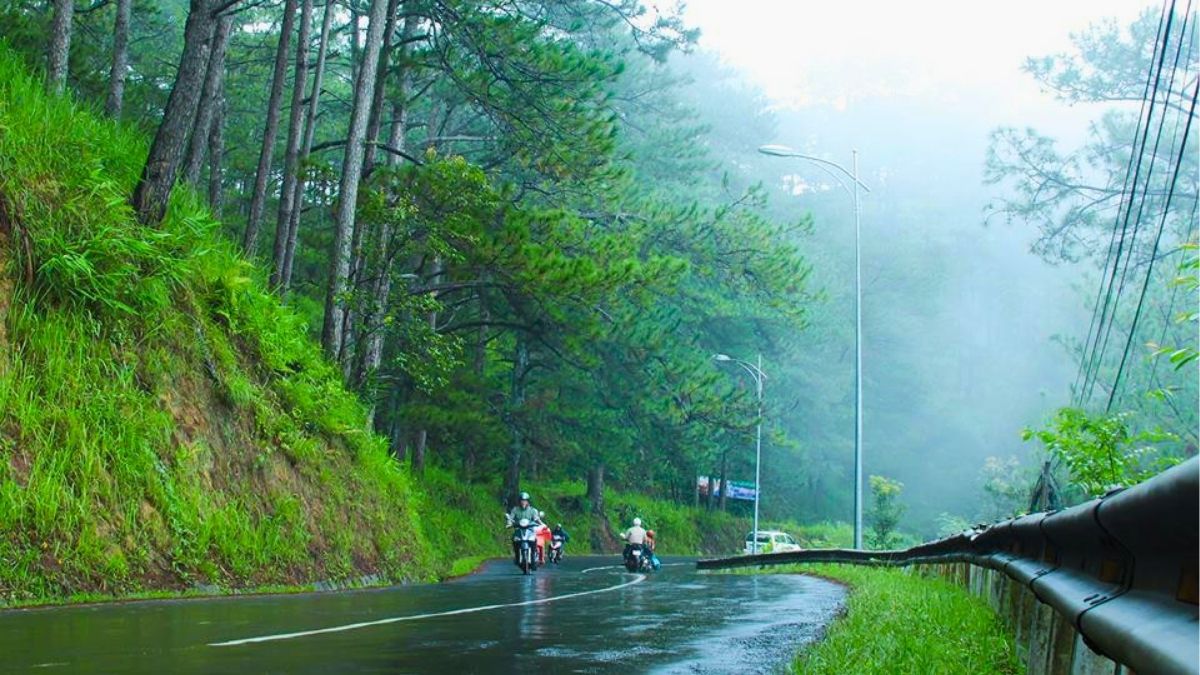 The Central Highlands run roughly May through October for their Vietnam rain season (Source: Thu thuat phan mem)
Read more: South Vietnam Itinerary: 7 Days from Ho Chi Minh City to Phu Quoc
How rain actually affects a Vietnam Itinerary
A short shower does not necessarily change your plans
Vietnam's rainy season does not always mean hours of rain. Many heavy tropical showers last around 20 to 60 minutes before clearing, particularly in the North and South. If the forecast shows a short period of rain followed by clearer conditions, you may only need to shift an outdoor activity by an hour or two rather than cancel it.
The hourly forecast is more useful here than simply checking whether the day is marked as “rainy.” Look at when the rain is expected to start, how long it is forecast to last, and whether thunderstorms are expected. A brief shower with no severe-weather warning is usually easier to work around than continuous rain throughout the day.
Prolonged heavy rain is a different situation
Pay closer attention when rain is forecast to continue for several hours, especially when it comes with thunderstorms or official warnings for heavy rain, flooding, flash floods, or landslides. At that point, the issue is no longer just getting wet. Roads can become difficult to pass, buses and trains may be delayed, boat tours can be canceled, and walking routes may remain unusable until water levels fall during the Vietnam wet and dry season.
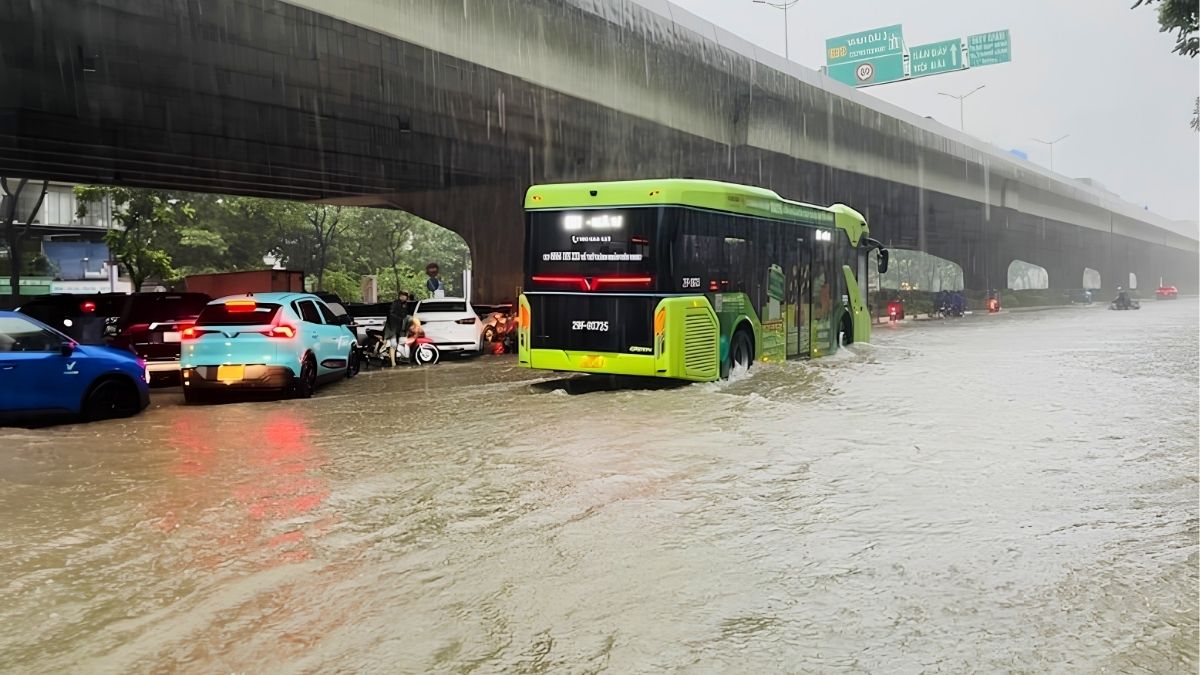 Prolonged heavy rain is a different situation (Source: Bao Lao Dong)
This is particularly important in Central Vietnam, where prolonged late-year rain can cause serious flooding. A short afternoon shower in Hoi An may simply require waiting for the rain to pass, while several hours of heavy rain can affect roads and temporarily close parts of the Ancient Town.
Rain can also cause seasonal closures. In Phong Nha, Son Doong Cave closes from September to December, while Hang En closes from late September to November due to rising water levels. Check operating dates, hourly forecasts and local warnings before planning cave tours.
When should you visit Vietnam? Match the season to your trip
The best season for Vietnam depends on what you want to do. Trekking in the mountains, spending time on the beach, or exploring caves can require very different weather conditions, even within the same region.
|
Travel experience |
Places to consider |
Months to consider |
|
Mountain trekking |
Sapa, Ha Giang, Pu Luong |
March-May, September-November |
|
Beach holidays |
Da Nang, Hoi An, Phu Quoc |
February-July for Central Vietnam; December-April for Phu Quoc |
|
Cave exploration |
Phong Nha |
February-August |
|
Rice terrace views |
Sapa, Mu Cang Chai |
September-October |
|
Mekong Delta boat trips |
Can Tho, Ben Tre, Chau Doc |
December-April for generally drier conditions |
|
City walking and sightseeing |
Hanoi, Ho Chi Minh City |
October-April for Hanoi; December-April for Ho Chi Minh City |
|
Ha Long Bay cruise |
Ha Long Bay |
March-April, October-November |
|
Cycling and countryside trips |
Hoi An, Mai Chau |
February-July for generally more manageable weather |
|
Long north-to-south trip |
Hanoi → Central Vietnam → Ho Chi Minh City |
October-April, but check each region separately before fixing the route |
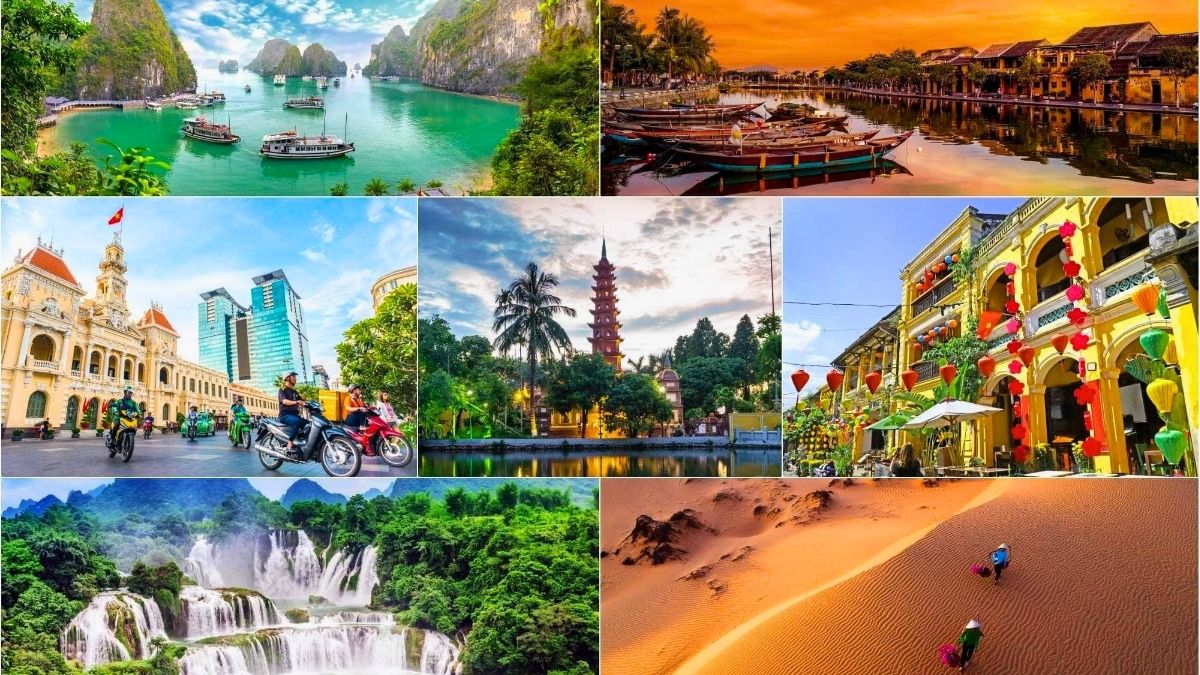 The best season for Vietnam depends on what you want to do (Source: Bao Nghe An)
These are practical planning windows rather than fixed rules for finding the best climate in Vietnam. Weather can vary from year to year, so check the forecast and local conditions shortly before departure, especially for trekking, boat trips, and cave tours.
If you would rather combine several regions into one itinerary, Sinh Cafe Travel can arrange multi-day routes across Vietnam. Its Dream Beaches of Vietnam 07 Days tour, for example, connects several coastal destinations in one trip, while travelers looking for a longer route can choose from multi-region tours that combine different stops without having to arrange every transfer separately.
 Sinh Cafe Travel can arrange multi-day routes across Vietnam
Tips for traveling in Vietnam during the rainy season
Check the weather and local warnings before each leg of your trip
Don’t just check whether it will rain tomorrow. Before traveling, check the expected rainfall, thunderstorm warnings, flooding, flash flood, or landslide warnings, especially if you are heading into mountainous areas. The National Center for Hydro-Meteorological Forecasting (NCHMF) provides weather forecasts and warnings, including information on heavy rain, flooding, flash floods, and landslides.
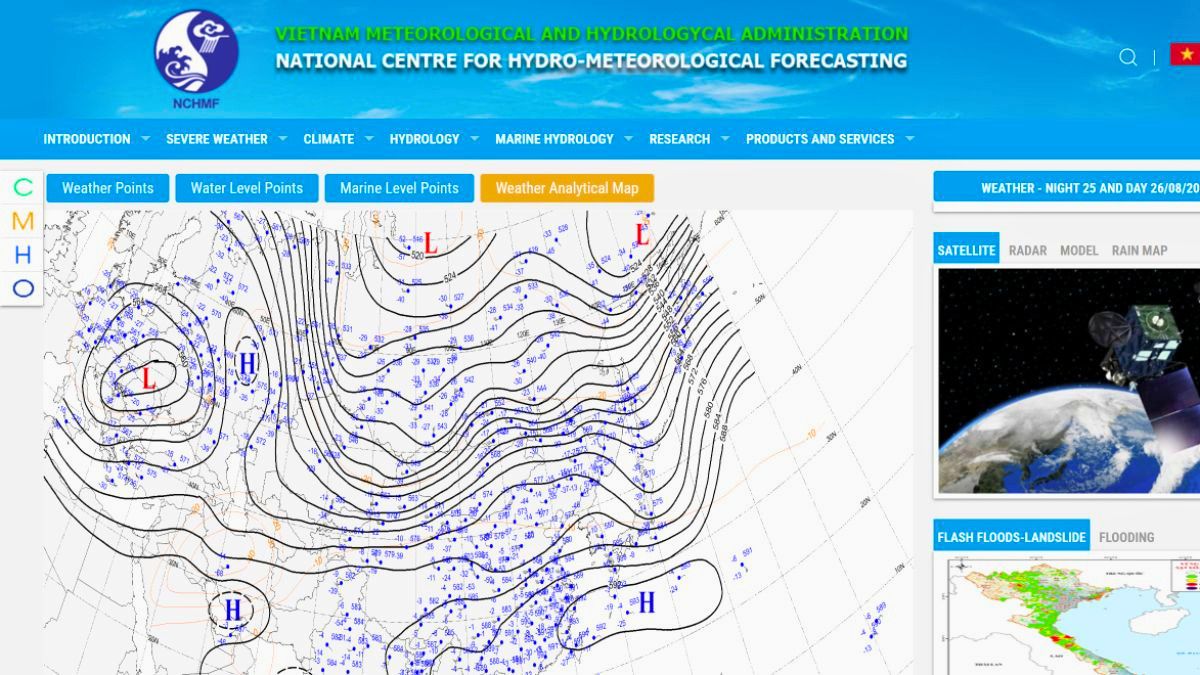 Check the weather and local warnings before each leg of your trip
You should also check conditions at your destination and along the route, rather than only looking at the weather in your departure city. For example, a flight to Da Nang may operate normally while the road from the airport to Hoi An is flooded. Similarly, weather in the city center can be very different from conditions along a mountain trekking route.
When heavy rain or storms are affecting an area, local news reports can also help you understand the situation on the ground. Recent images and updates from local news outlets may show whether roads are flooded, attractions are closed, or transport services are still operating.
Confirm transport and tours before departure
During the Vietnam rain season, bad weather does not necessarily mean every bus, train, or tour will be canceled, but you should not assume that your itinerary will continue as normal. Check directly with the transport operator, tour provider, or accommodation before leaving, especially for activities that depend on rivers, the sea, or mountain roads.
If your journey involves several legs, check each part of the itinerary:
- Flights: Check the flight status with the airline and airport.
- Trains: Check railway operator announcements if the area has recently experienced a storm or prolonged heavy rain.
- Long-distance buses: Ask the bus operator about road conditions, especially when traveling through mountain passes or areas at risk of landslides.
- Boat or speedboat tours: Confirm whether the tour is operating before heading to the pier.
- Shuttles or taxis: Ask your hotel whether the accommodation is accessible if the area is flooded.
Don’t just ask, “Can I still go?” In bad weather, a more practical question is: “Is the route currently passable, and is the destination still operating?”
Prepare a backup plan for weather-dependent activities
Rain in Vietnam does not always last all day. In the North and South, a tropical shower may pass quickly, so you may be able to change the timing rather than cancel the entire day. By contrast, prolonged heavy rain in Central Vietnam or mountainous areas can cause flooding, landslides, or transport disruptions, making it more practical to change your plans.
Before your trip, prepare one alternative for each important outdoor activity:
|
Original plan |
If the weather is unsuitable |
|
Mountain trekking |
Museums, historical sites, or indoor attractions |
|
Cycling |
Walking in dry areas or switching to an indoor activity |
|
Boat tour |
Visiting attractions on land |
|
Beach day |
Spa treatments, cooking classes, or food experiences |
|
Cruise |
Check whether the itinerary can be changed to a land-based activity |
This is particularly important if your trip is only 3-5 days long. One rainy day does not necessarily have to ruin the whole trip if you already have an alternative near your accommodation.
Bring the right gear for tropical rain
You do not need to dedicate too much luggage space to rain gear. A lightweight poncho, a waterproof bag for your phone and documents, and a pair of quick-drying shoes or sandals are usually enough for getting around cities. Raincoats and plastic sandals are also easy to buy in Vietnam if needed.
 Bring the right gear for tropical rain (Source: Bao Lao Dong)
If you are trekking or traveling in mountainous areas during the rainy season, prioritize grippy footwear, quick-drying clothes, and waterproof bags. A dry change of clothes in your backpack can also be useful if you expect to spend a long time outdoors.
Most importantly, protect your passport, phone, camera, and other electronic devices. Avoid keeping them in outer backpack pockets or ordinary fabric bags when walking in the rain.
If you encounter flooding, don’t rely only on the condition of the streets
When an area starts to flood, the fact that other people are still crossing the street does not mean the route is safe. Water can continue to rise, hide potholes or obstacles, and make it difficult for vehicles to move.
If your accommodation or route is affected, ask your hotel, transport provider, or local authorities about the actual conditions before leaving. If there is a flash flood, landslide warning, or evacuation order, follow instructions from the authorities rather than trying to keep your original itinerary.
Travelers should also save Vietnam’s emergency numbers:
- 113: Police
- 114: Fire and Rescue
- 115: Medical Emergency
For trips during the rainy season, spending a few minutes checking the weather, road conditions, and transport status before each leg can help you avoid being caught unprepared when conditions change.
FAQs
How unpredictable is Vietnam’s rainy season?
Rain can change quickly, with short heavy showers followed by clear skies, though prolonged rain is possible in some areas during the Vietnam rain season.
Should you avoid Vietnam during the rainy season?
Not necessarily. Travel is still possible, but the best destination and activities depend on the region’s weather patterns.
Which region of Vietnam gets the most rain?
Central Vietnam, particularly Hue, which averages around 2,795 mm of rain annually.
Does Central Vietnam get rain in October?
Yes. October is typically the wettest month for much of the central coast, including Hue, Da Nang, and Dong Hoi.
Are the caves in Phong Nha open during the rainy season?
Not all. Son Doong closes from September to December, while Hang En closes from late September to November.
Share via




Related articles
Visit Ha Giang in November: Is it a good time to go?
Posts | 21/09/2026

Ha Long bay 1 day tour: Best itinerary, cruise options & Travel tips
Posts | 23/03/2026

Yang Bay Waterfall: A Hidden Paradise near Nha Trang you shouldn’t miss
Blog | 24/03/2026

Diep Son island: Walk across the sea in Vietnam’s hidden paradise
Posts | 24/03/2026






There are no reviews yet