


Kon Tum: Highland Stories and Untouched Nature
Discovering Kon Tum: Highlands Heritage Off the Beaten Path
Kon Tum is one of Vietnam’s most underrated gems—a tranquil highland province where ethnic cultures, mountain landscapes, and colonial history weave together. Nestled near the borders with Laos and Cambodia, Kon Tum offers a deep, authentic experience of Vietnam’s Central Highlands without the crowds. Here, the pace is slower, the air is cooler, and the stories run deeper.
Where Is Kon Tum and Why Does It Matter?
Kon Tum is located in the northernmost part of Vietnam’s Central Highlands, bordering Gia Lai to the south and Laos and Cambodia to the west. Despite its remote feel, the province played a vital role during the Vietnam War and continues to be a cultural crossroads for over 20 ethnic groups. Its natural beauty and cultural richness make it a meaningful stop for travelers seeking depth and connection.
A Living History: Echoes of Faith, War, and Tradition
Kon Tum’s history is layered with indigenous heritage, French missionary influence, and wartime resilience. The iconic Kon Tum Wooden Church, built in 1913, stands as a symbol of this blend—Romanesque design with highland materials. Nearby, the Kon Tum Seminary, one of the oldest in Vietnam, quietly tells the story of early Catholic missions. The city and surrounding countryside also witnessed intense fighting during the Vietnam War, traces of which can still be seen in former battlefields and local memory.
Villages and Longhouses: Kon Tum’s Cultural Landscape
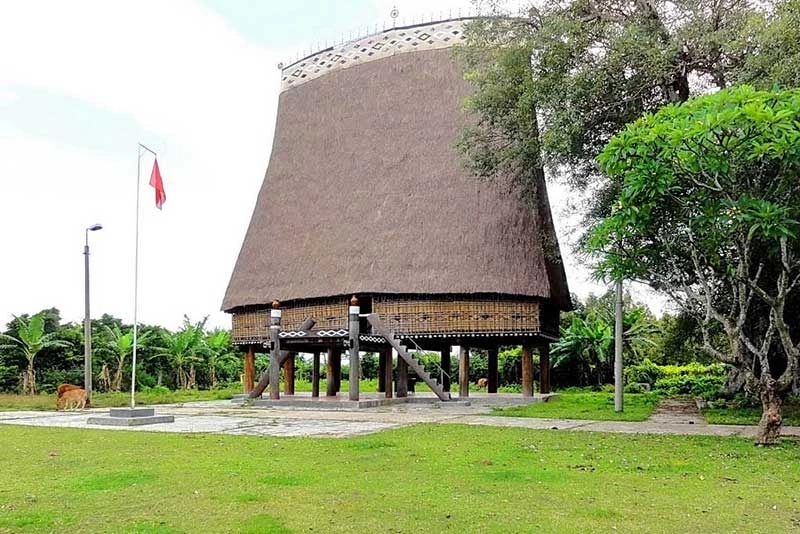
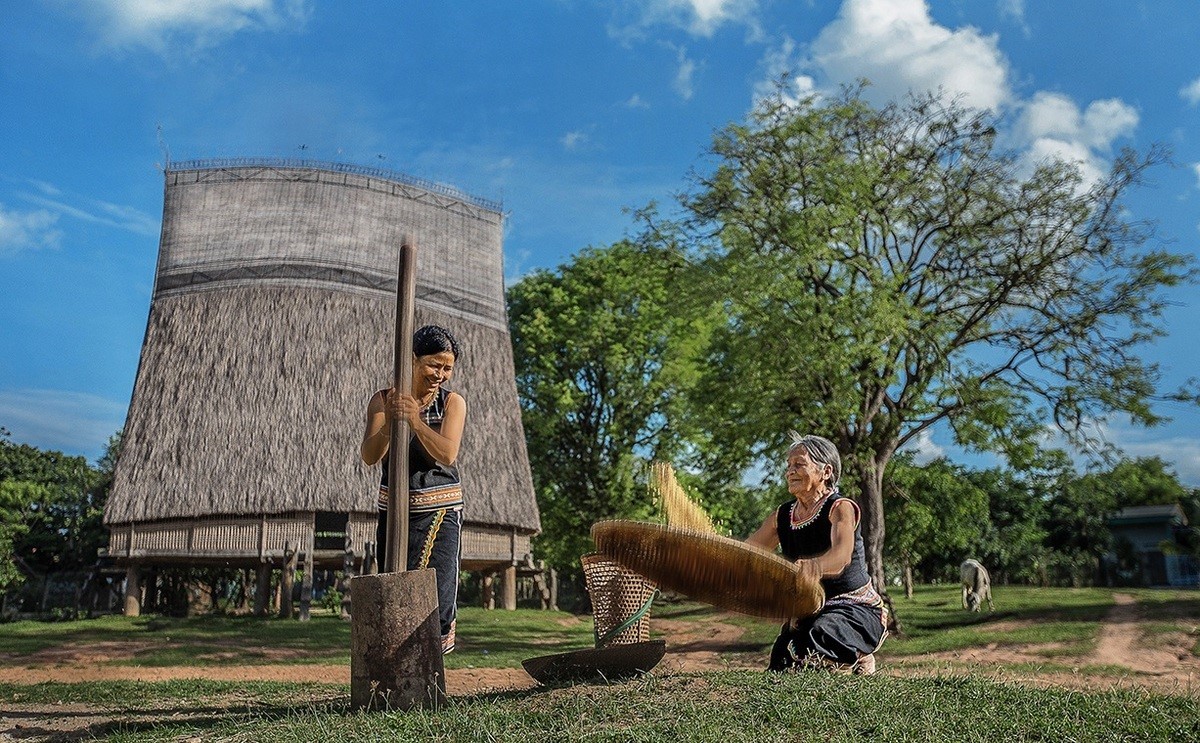
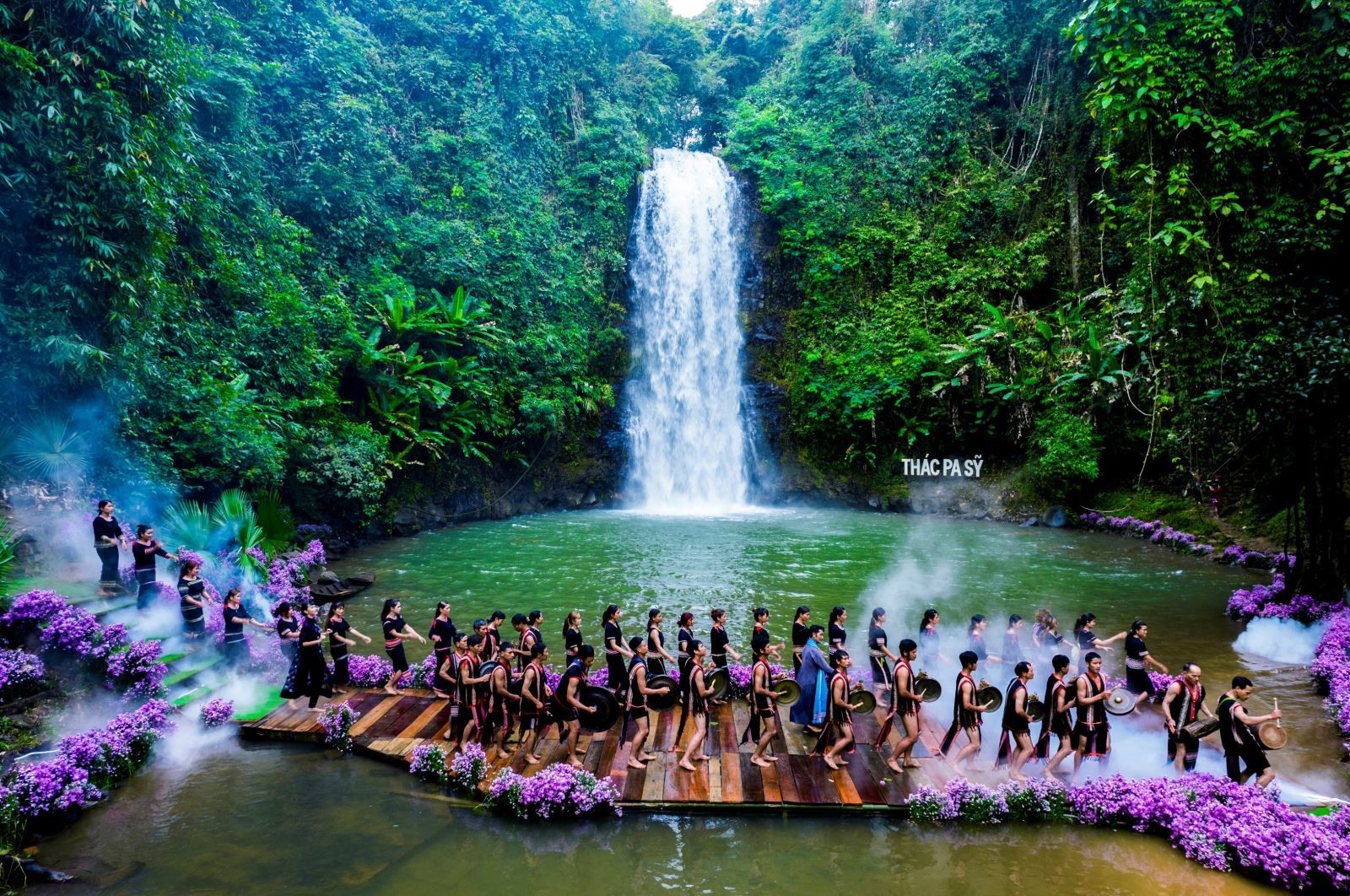
Rather than old quarters or towering buildings, Kon Tum captivates visitors with its ethnic villages, especially those of the Ba Na, Xo Dang, and Jarai people. Traditional rong houses with tall, thatched roofs dominate village centers, serving as communal halls for ceremonies, music, and storytelling. A walk through Kon Klor Village or a visit to the Kon Klor Suspension Bridge brings you face-to-face with living traditions—woven textiles, gong performances, and the warm hospitality of the highlands.
Kon Tum Cuisine: Earthy, Local, and Soulful
The food in Kon Tum reflects highland life—simple, hearty, and rooted in the land. Key dishes include:
- Com lam – sticky rice cooked in bamboo tubes
- Goi la – a unique “leaf salad” with over 30 types of local leaves
- Grilled meats and stream fish – often served with chili salt
- Ruou can – traditional fermented rice wine drunk with long bamboo straws
Meals are often shared, eaten with fingers, and filled with local stories passed between bites.
Modern Kon Tum: Quiet Growth in the Highlands
Kon Tum remains relatively untouched by mass tourism. The town has a calm, green feel—with wide boulevards, shady trees, and quiet riverbanks along the Dak Bla River. Development is modest, allowing the province to preserve its cultural authenticity while slowly building eco-tourism and community-based travel. Here, the future grows gently, in harmony with tradition.
Practical Travel Tips for Visiting Kon Tum
Best time to visit: November to March, when the weather is dry and cool
Getting there: Buses connect Kon Tum with Pleiku (45 km away, nearest airport), Da Nang, and Ho Chi Minh City
What to pack: Light jacket, walking shoes, insect repellent for forest visits
Responsible travel tip: Ask for permission before photographing locals and support community-run homestays and craft shops.
Top experiences:
- Visit Kon Tum Wooden Church and the Bishop’s House
- Explore ethnic villages like Kon Klor, Dak Rowa, and Dak Ha
- Cross the Kon Klor Suspension Bridge
- Hike to Chu Mom Ray National Park
- Join a gong performance or leaf salad tasting in a local village
Kon Tum offers a journey into Vietnam’s soul—a place where ancient traditions, quiet landscapes, and untold stories await. Far from tourist routes, this highland province invites you to slow down, listen, and connect. Whether you’re walking among rong houses, sipping rice wine with village elders, or watching the sunset over forested hills, Kon Tum is a reminder that the most powerful travel experiences are often found in silence and sincerity.
Kon Tum Photos



Kon Tum Related Tours
Our Offices
|
Hanoi Head Office: 87 Hoang Quoc Viet Street, Hanoi, Vietnam Tel: +84 24 38364212 / +84 24 37568868 Email : info@sinhcafe.com Whatapps: +84904488850 |
Hochiminh City Office: 126 Nguyen Thi Minh Khai Street, District 3,Hochiminh City Email : info@sinhcafe.com Tel: +84 28 38333388 |

Contact Us