


How long is the Ha Giang loop? Complete guide to distance, duration & itinerary
The Ha Giang Loop is a journey through Vietnam’s most dramatic mountains, ethnic villages, and winding passes. But before you start the engine, one common question arises: How long is the Ha Giang Loop? Whether you’re planning a quick 3-day ride or a deeper 5-day exploration, knowing the right duration and route will help you make the most of every twist and turn along this legendary loop.
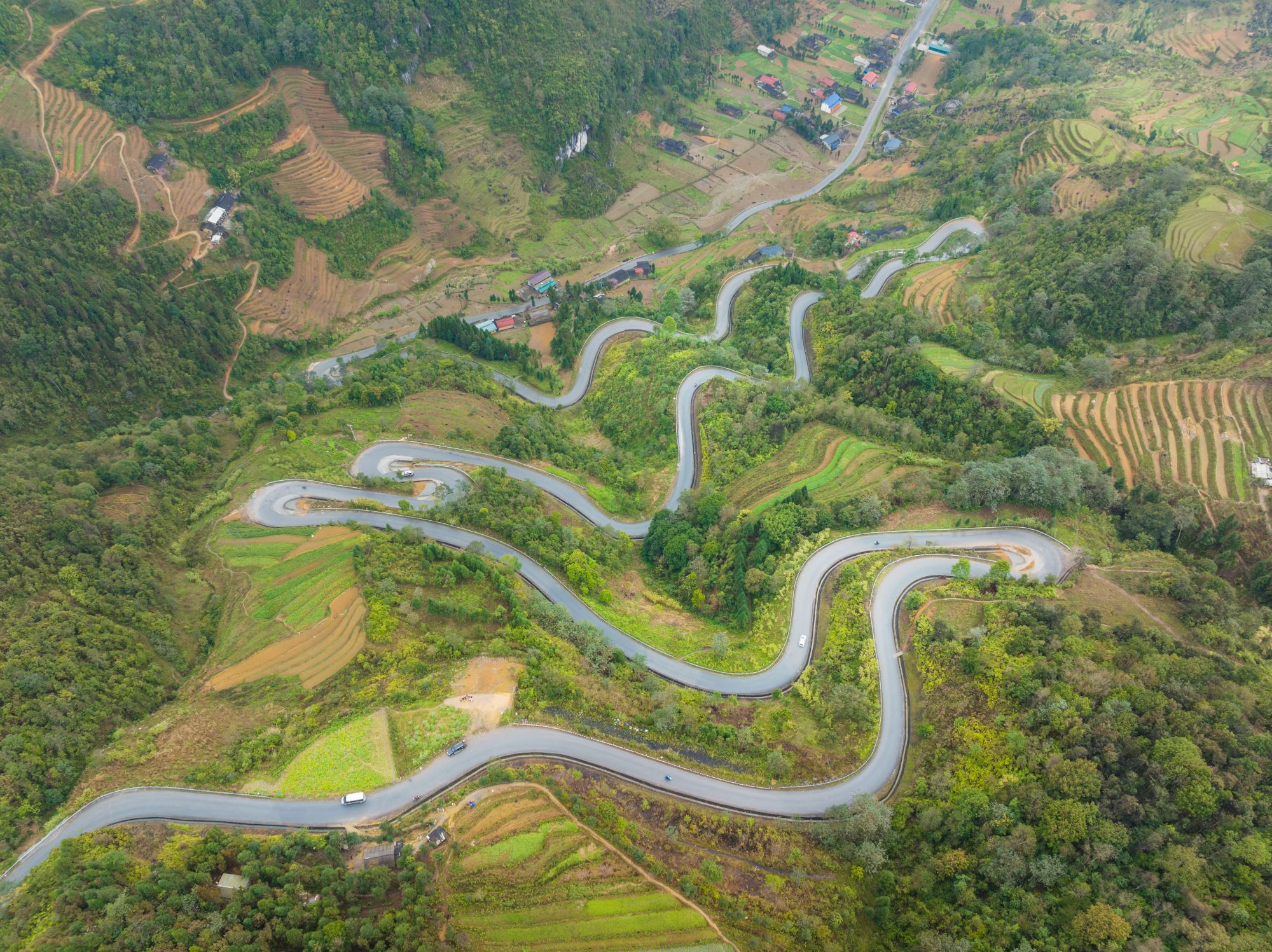
The Ha Giang Loop is a journey through Vietnam’s most dramatic mountains, ethnic villages, and winding passes. But before you start the engine, one common question arises: How long is the Ha Giang Loop? Whether you’re planning a quick 3-day ride or a deeper 5-day exploration, knowing the right duration and route will help you make the most of every twist and turn along this legendary loop.
Overview of the Ha Giang Loop
The Ha Giang Loop is a breathtaking journey through majestic limestone plateaus, towering mountains, and remote ethnic villages in Vietnam’s northernmost province. Often described as “the dream loop” for adventure travelers, this route offers a constantly changing panorama where every bend reveals a new masterpiece of nature and culture.
The classic Ha Giang Loop usually starts from Ha Giang City, passing through iconic destinations such as Quan Ba - Yen Minh - Dong Van - Meo Vac before circling back to the starting point. The total distance is around 350 km, with winding mountain passes, steep cliffs, and sweeping views over deep valleys shrouded in mist. Along the way, you’ll conquer legendary passes like Bac Sum Pass, Tham Ma Pass, and the famous Ma Pi Leng Pass - one of the “Four Great Passes” of Vietnam.
How long is the Ha Giang loop? The total distance is 350km (source: Sinhcafe)
If you have more time, you can extend your trip into an “extended loop”, visiting Lung Cu - the northernmost point of Vietnam, Du Gia with its hidden waterfalls and tranquil villages, or Hoang Su Phi to admire stunning terraced rice fields. Each route has its own charm, taking you through ethnic minority villages of the Hmong, Tay, and Lo Lo people, where traditional life remains remarkably untouched.
The allure of the Ha Giang Loop lies in its sense of freedom. You can travel fast or slow, ride solo or with an easy rider, and stop anywhere that captures your heart. Though the journey may challenge you with winding roads, sudden fog, or unpredictable weather, every kilometer you ride is worth it - because here, in the far north of Vietnam, you truly experience nature’s raw beauty and the timeless spirit of the mountains.
Duration of the Ha Giang loop
Completing the Ha Giang Loop can take anywhere from 3 to 5 days, depending on your travel pace, route choice, and how much time you wish to spend exploring along the way. Most travelers opt for a 4-day motorbike journey, which allows enough time to enjoy the scenery, visit local villages, and take in all the highlights without rushing.
If you only have 3 days, the route typically covers the main loop from Ha Giang City - Dong Van - Meo Vac - back to Ha Giang, focusing on iconic landmarks like the Ma Pi Leng Pass, Lung Cu Flag Tower, and Dong Van Karst Plateau. This shorter version still offers a full experience of Ha Giang’s dramatic landscapes, though it involves longer daily rides.
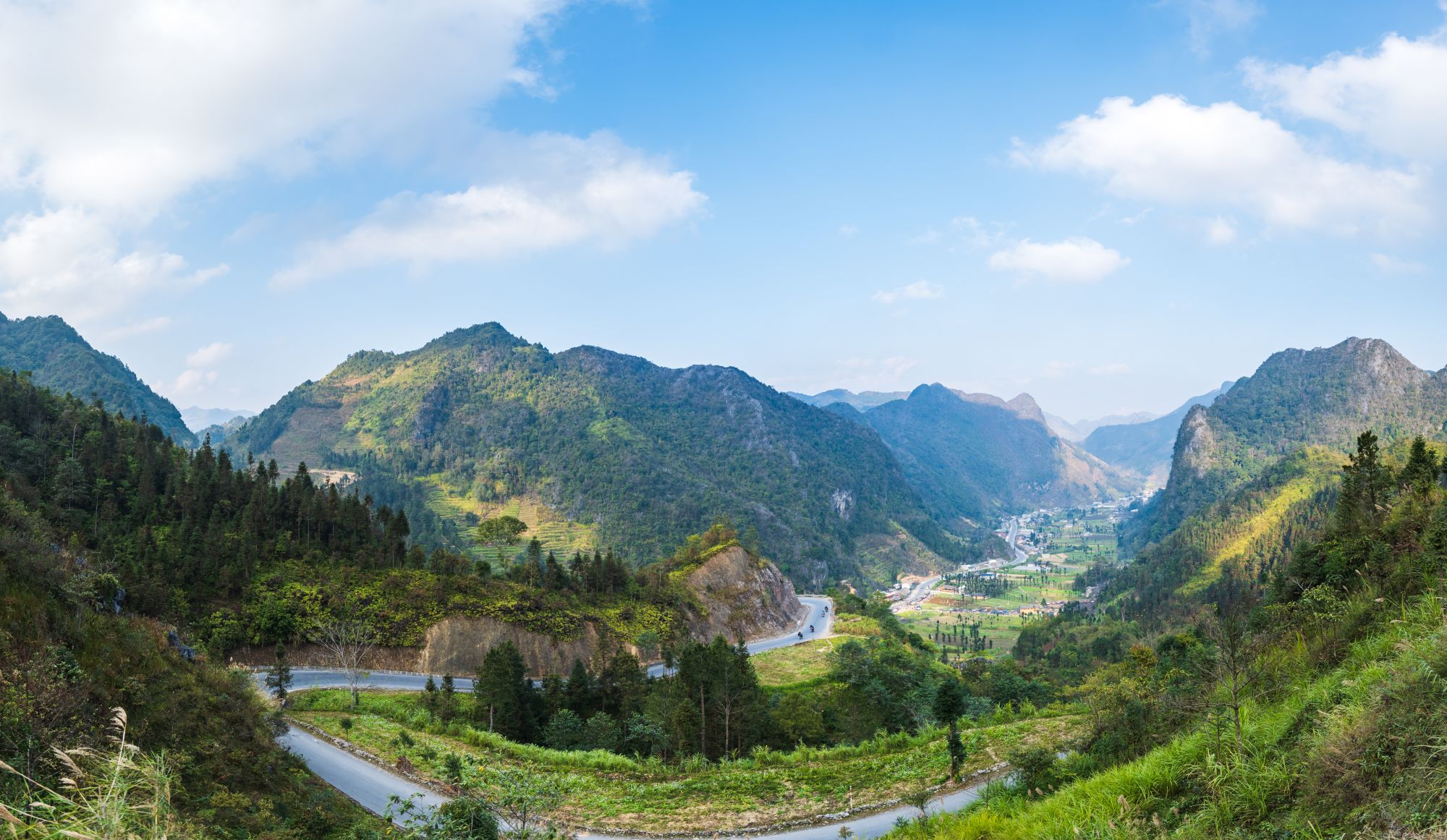
Duration of the Ha Giang loop (source: Sinhcafe)
Those with 4 or 5 days can enjoy a more relaxed pace, adding detours to lesser-known areas such as Du Gia Village, Lung Ho, or Sung La Valley. With extra time, you’ll have the chance to interact with ethnic minority communities, visit local markets, and even spend a night in a homestay nestled in the mountains.
Ultimately, the “best” duration for the Ha Giang Loop depends on how deep you want to dive into the region’s beauty. If you prefer a scenic but comfortable experience, 4 days is ideal; if you’re an adventurer eager to uncover hidden trails and authentic local life, stretch it to 5 days - it’s worth every minute.
Factors affecting the duration of the Ha Giang loop
The time it takes to complete the Ha Giang Loop can vary greatly depending on several key factors. Below are the main elements that influence how long your journey will take:
- The route you choose
The Ha Giang Loop offers multiple route options. The standard 3-day route usually covers the main highlights such as Dong Van, Meo Vac, and Ma Pi Leng Pass. Meanwhile, a 4-5 day route allows for detours to remote villages like Du Gia, Lung Ho, or Mau Due. The more side routes or cultural stops you include, the longer the trip will be.
- Your riding speed
The roads in Ha Giang are mountainous, filled with steep slopes and sharp turns. If you’re not experienced with riding in such terrain or prefer to stop often for photos and rest, your travel time will naturally extend.
- Weather and road conditions
During the rainy season (June to September), roads can become slippery, foggy, or even blocked by landslides, making progress slower and more challenging. In contrast, the dry season (October to April) offers clearer skies and safer conditions, allowing you to stick more closely to your planned schedule.
- Time spent exploring
Some travelers prefer to take their time visiting cultural sites, ethnic villages like Lo Lo Chai, or scenic spots such as the Hoang Su Phi rice terraces. These experiences add incredible depth to the trip, but also require extra time. Those mainly focused on completing the loop by motorbike can finish faster.
- Your physical condition and stamina
Riding long distances on winding mountain roads demands good fitness and concentration. First-time riders or those less familiar with long journeys should plan for a moderate pace to ensure safety and comfort throughout the trip.
Overall, while the Ha Giang Loop can be completed in various timeframes, it’s best to set aside at least 3 to 4 days to fully appreciate the majestic landscapes, diverse cultures, and unforgettable moments along this legendary route.
Must-visit stops & Experiences on the Ha Giang loop
Conquering the Ha Giang Loop is more than just a road trip through winding mountain passes, it’s a journey to the heart of Vietnam’s northern frontier. Every stop along the route tells a story, revealing both the raw power of nature and the deep-rooted culture of its people.
Ma Pi Leng Pass
No Ha Giang Loop journey is complete without experiencing Ma Pi Leng Pass, often dubbed the most majestic pass in Vietnam. Stretching nearly 20 km between Dong Van and Meo Vac at an altitude of over 1,500 meters, it’s one of the country’s legendary “Four Great Passes.”
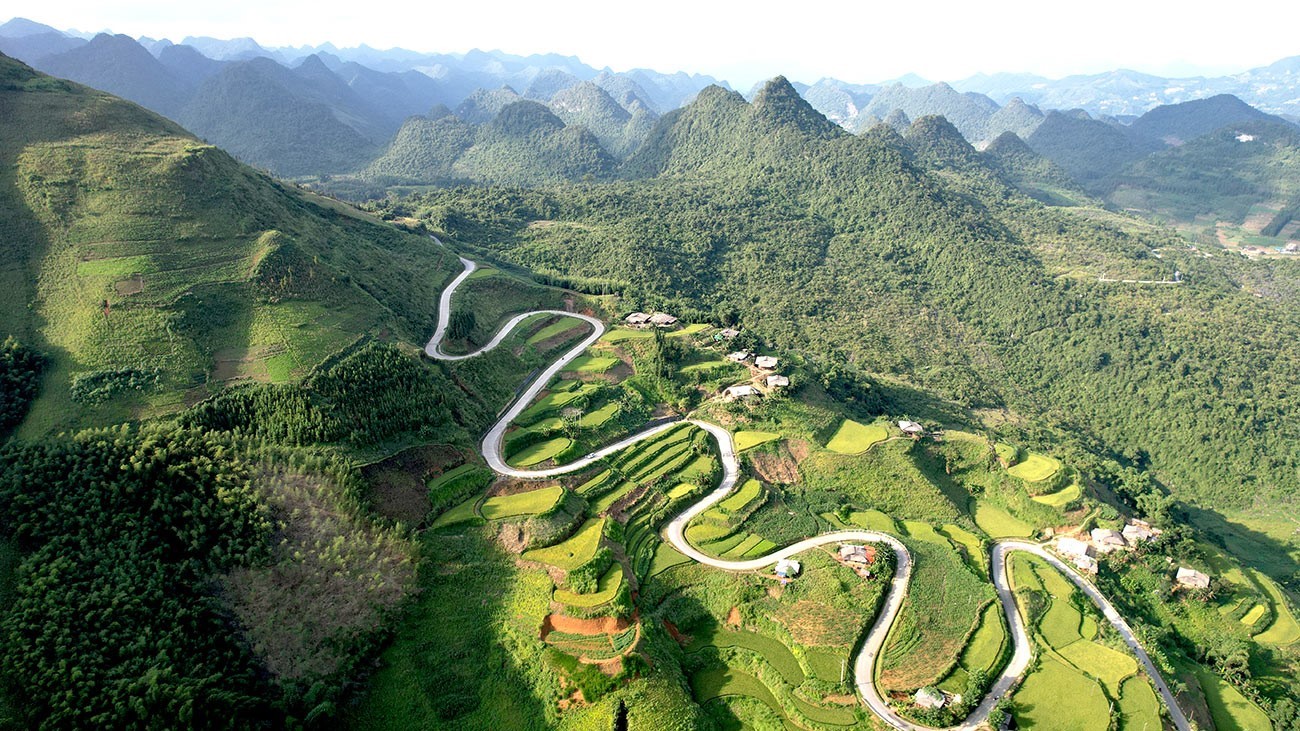
Ma Pi Leng pass (source: Vinpearl)
From the Ma Pi Leng Panorama Café or Sky Walk viewpoint, travelers can admire the emerald Nho Que River snaking through steep limestone cliffs. In the early morning, mist drifts across the peaks, while sunset paints the mountains in golden hues, creating a scene that feels almost unreal. Many call it “the most breathtaking viewpoint in Vietnam,” and it truly deserves the title.
Dong Van Karst Plateau
Recognized by UNESCO as a Global Geopark, the Dong Van Karst Plateau is a land of rugged limestone mountains, ancient rock formations, and resilient ethnic villages. Between the jagged cliffs lie small hamlets of the H’mong, Lo Lo, and Pu Peo people, where life flows slowly and traditions remain intact.
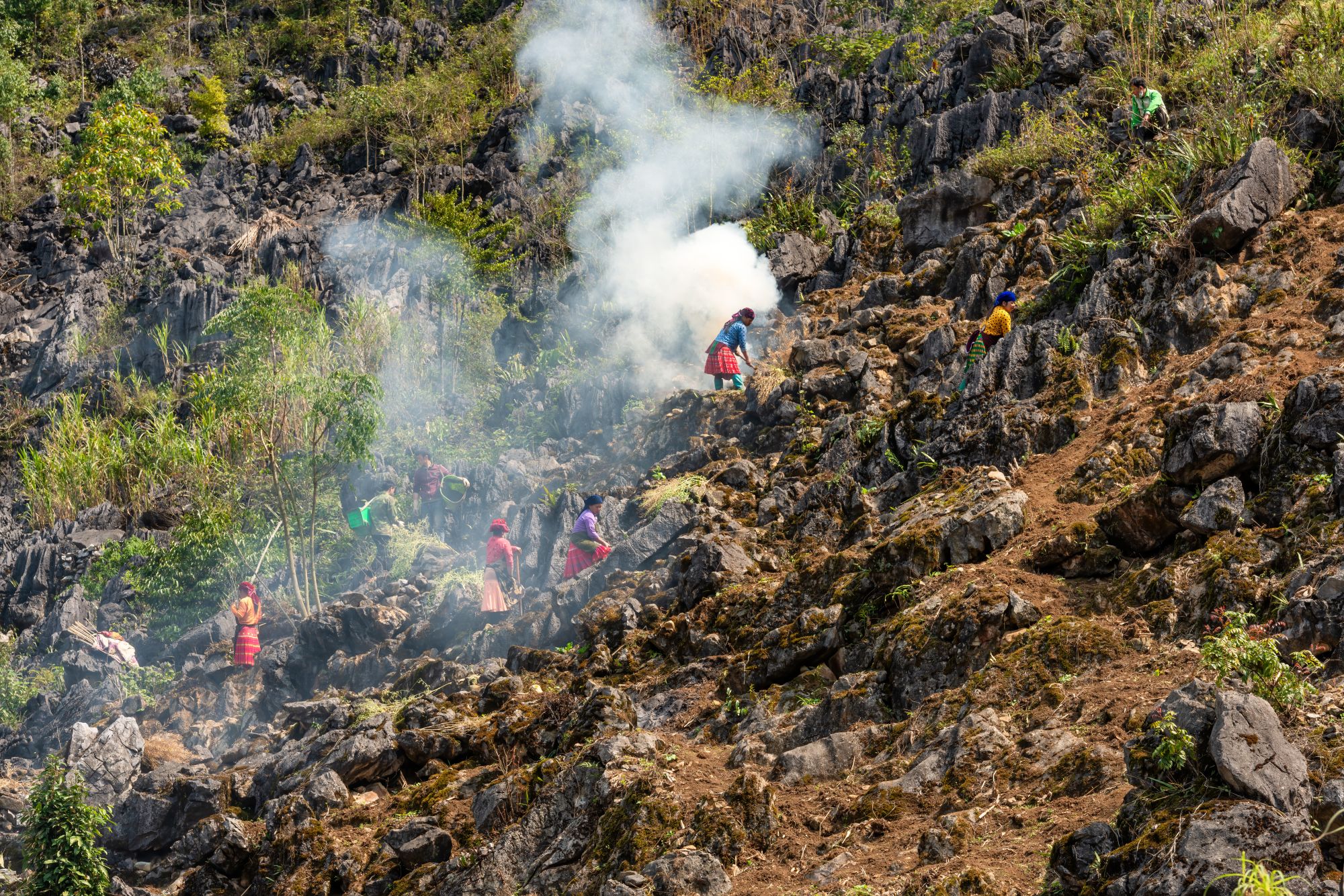
Dong Van Karst Plateau (source: Sinhcafe)
The Dong Van Old Quarter is a charming town with centuries-old earthen houses, stone-paved alleys, and cozy cafés glowing under yellow lanterns at night. On weekends, the sound of local music, laughter, and the scent of corn wine fill the air, turning the highland town into a warm and lively gathering spot amid the mountains.
Lung Cu Flag Tower
Standing tall on Long Son Peak at over 1,400 meters above sea level, Lung Cu Flag Tower marks Vietnam’s northernmost point and symbolizes national pride. Climbing nearly 400 stone steps to the summit, visitors are rewarded with panoramic views of terraced fields, border villages, and the vast expanse of the Vietnamese frontier.
Below lies Lo Lo Chai Village, home to the Lo Lo ethnic group, with their earthen houses and colorful traditional garments. The moment you stand beneath the fluttering red flag, gazing over the misty mountains, you can truly feel the sacred power and pride of Vietnam’s borderland.
Du Gia Valley
Tucked away from the busy main routes, Du Gia Valley is a hidden paradise of peace and simplicity. Surrounded by lush rice terraces and green hills, the valley offers a refreshing break from the rugged highlands.
Visitors can cycle through scenic villages, swim at the Du Gia Waterfall, or join a family dinner at a local homestay - where everyone gathers around homemade dishes, local corn wine, and endless laughter. As night falls, the sound of crickets fills the air, and the moonlight spills softly over wooden rooftops - the kind of serenity that stays with you long after you leave.
Mountain Markets
A true highlight of the Ha Giang experience is visiting the mountain markets, such as Dong Van Market (Sunday), Meo Vac Market (Sunday), or Lung Phin Market (Saturday). These vibrant weekly gatherings bring together people from dozens of ethnic groups dressed in their most colorful traditional attire.
At dawn, locals walk or ride for hours from distant villages, carrying baskets of produce, livestock, or handmade goods. The market isn’t just for trading - it’s where people meet, socialize, and celebrate life. Don’t miss trying thang co (horse stew), men men (steamed corn), or a shot of local corn wine as you soak in the joyful chaos of this cultural celebration.
Nho Que River & Tu San Canyon
One of the most unforgettable experiences in Ha Giang is a boat trip on the Nho Que River, gliding between the towering cliffs of Tu San Canyon, the deepest canyon in Southeast Asia. The jade-green river winds gently between vertical rock walls rising hundreds of meters high, creating a dramatic, almost surreal landscape.
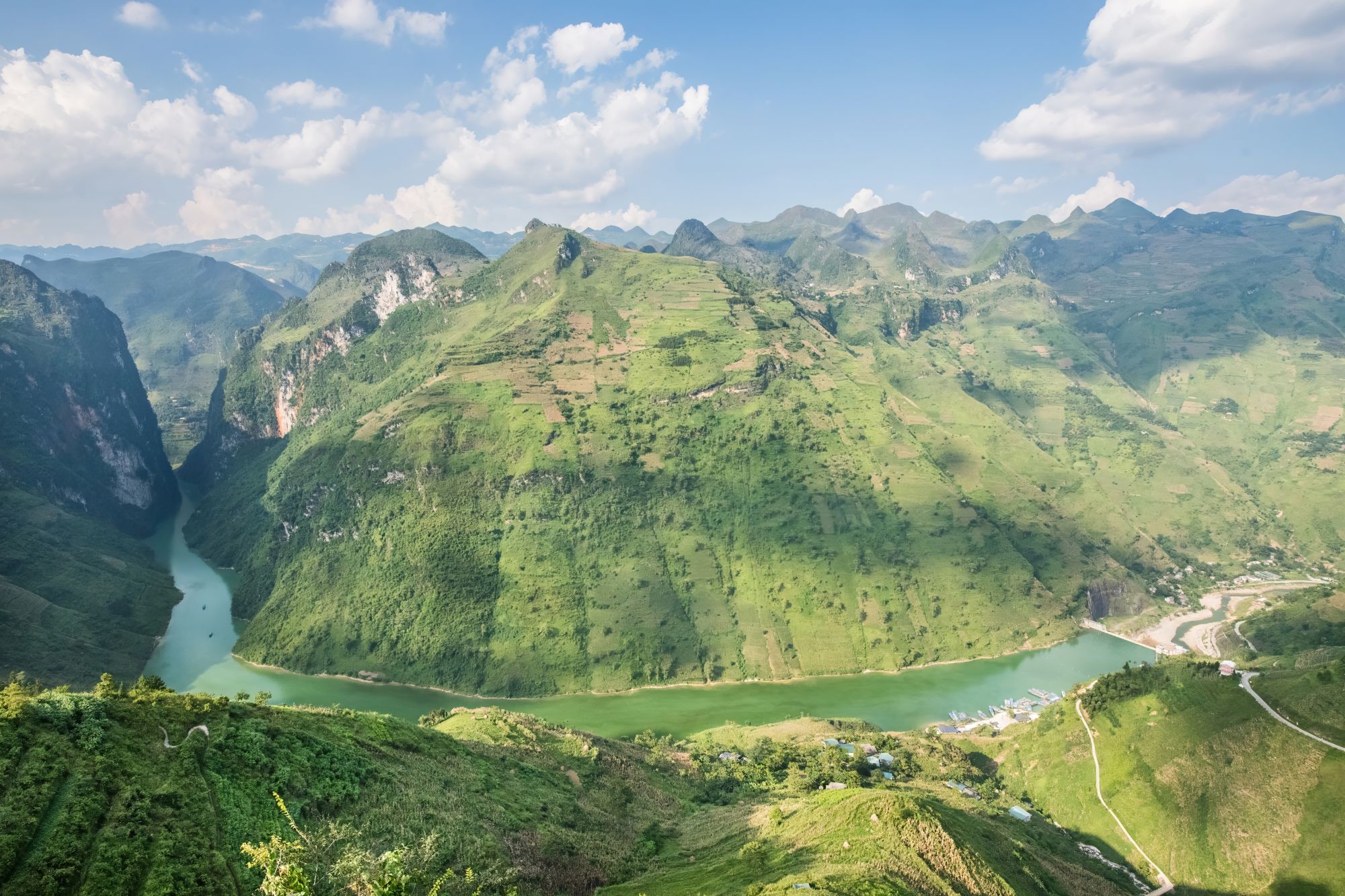
Nho Que river (source: Sinhcafe)
As your boat moves quietly through the canyon, the world seems to stand still, only the sound of water and wind echoes through the mountains. It’s a moment of awe and peace, where you feel both small and deeply connected to nature’s magnificence.
The most complete and detailed Ha Giang Loop Itinerary
The Ha Giang Loop is the perfect journey to fully experience the majestic landscapes, unique culture, and authentic life of Vietnam’s northern highlands. To help you make the most of your adventure, here’s a 4-day, 3-night itinerary - ideal for both first-time riders and travelers seeking a deeper exploration.
Day 1: Ha Giang City - Quan Ba - Yen Minh - Dong Van (Approx. 150 km)
Start your morning in Ha Giang City, picking up your motorbike or departing with a local guide. As soon as you leave the city center, winding mountain roads lead through green ranges and peaceful valleys.
- Quan Ba Heaven Gate: The first stop, offering a panoramic view of the iconic Twin Mountains (Fairy Bosom Hills) - a symbol of Quan Ba District - with Tam Son Town nestled amid clouds and hills in the distance.
- Yen Minh Pine Forest: A picturesque stretch of road that feels like riding through Europe, especially in the morning when mist gently covers the landscape.
- Tham Ma Pass: A famous S-shaped mountain pass that’s become one of the most popular photo stops before reaching Dong Van.
In the afternoon, arrive in Dong Van Ancient Town, where you can wander through traditional clay houses, enjoy coffee at Pho Co Café, or try local dishes such as thang co (horse stew) and buckwheat pancakes.
Spend the night at a homestay or hotel in Dong Van.
Day 2: Dong Van - Lung Cu - Ma Pi Leng - Meo Vac (Approx. 90 km)
Day two is often considered the most spectacular part of the entire Loop, offering both cultural depth and breathtaking scenery.
- Lung Cu Flag Tower: Climb nearly 400 steps to reach Vietnam’s northernmost point, where you can enjoy panoramic views over the Vietnam-China borderlands.
- Hmong King’s Palace (Vuong Family Mansion): A striking stone and wood complex featuring traditional yin-yang tiled roofs - once home to King Vuong Chinh Duc, the most powerful Hmong leader in Ha Giang.
- Ma Pi Leng Pass: Known as “the king of passes” in Vietnam, Ma Pi Leng offers dramatic views of limestone peaks and the turquoise Nho Que River far below. Stop at Ma Pi Leng Panorama or the Sky Walk for the best viewpoint of Tu San Canyon.
In the afternoon, take a boat trip on the Nho Que River to glide between towering cliffs and admire the emerald waters, one of Ha Giang’s most unforgettable experiences. Spend the night in Meo Vac, a small but lively town with a local market and cozy homestays.
Day 3: Meo Vac - Mau Due - Du Gia (Approx. 120 km)
This leg reveals the “hidden charm” of Ha Giang, less touristy but incredibly scenic.
- Mau Due - Du Gia Route: A remote mountain road winding through terraced rice fields and small ethnic villages.
- Du Gia Waterfall: A refreshing stop surrounded by lush green forest - perfect for swimming and relaxing.
- Du Gia Village: An ideal overnight stop in a traditional homestay. Enjoy a warm family meal, sip corn wine, and join locals in singing and storytelling by the fire.
A night in Du Gia is truly special, the sound of flowing streams, moonlight over the mountains, and an overwhelming sense of peace in nature.
Day 4: Du Gia - Lung Tam - Ha Giang City (Approx. 100 km)
Take a different route back to Ha Giang City to experience new scenery along the way.
- Lung Tam Linen Weaving Village (Quan Ba): Visit a traditional craft village of the Hmong people, where women hand-weave linen, dye it with natural indigo, and decorate it with intricate embroidery.
- Tam Son Rice Terraces: Enjoy the serene view of layered rice fields spreading across the mountainsides.Return to Ha Giang City in the afternoon, return your bike, and wrap up your unforgettable Ha Giang Loop adventure.
Not everyone can fully enjoy and conquer the Ha Giang Loop on their own, because the route is challenging, the roads are winding, and many cultural experiences are only accessible through local connections. That’s why you need a local guide who truly understands every turn of the road and every story behind the mountains, along with a well-planned itinerary that helps you explore safely and meaningfully.
Book your Ha Giang Loop adventure with Sinhcafe Travel - a trusted local operator offering tours with experienced local guides. Let Sinhcafe take care of the logistics while you focus on enjoying the breathtaking scenery, meeting ethnic communities, and creating unforgettable memories in northern Vietnam.
So, how long is the Ha Giang Loop? The answer depends on how deeply you wish to experience it. Whether you opt for a quick 3-day ride or stretch your journey to 5 days or more, each day offers unforgettable moments, from panoramic passes to warm village stays. Take your time, ride safely, and let every turn of the Ha Giang Loop reveal the raw beauty of Vietnam’s northern frontier.
Share via




Related articles
Visit Ha Giang in November: Is it a good time to go?
Posts | 21/09/2026

Yang Bay Waterfall: A Hidden Paradise near Nha Trang you shouldn’t miss
Blog | 24/03/2026

Diep Son island: Walk across the sea in Vietnam’s hidden paradise
Posts | 24/03/2026

Co Tien Mountain: A Scenic Hike with Stunning Views in Nha Trang
Blog | 24/03/2026



There are no reviews yet