

Ho Chi Minh City: The Dynamic Soul of Southern Vietnam
Discovering Ho Chi Minh City: The Southern Pulse of Vietnam
Ho Chi Minh City, still known as Saigon by many locals, is Vietnam’s most energetic and populous metropolis. A city of contrasts and momentum, it blends colonial charm with soaring skyscrapers, ancient temples with high-end malls, and bustling street markets with rooftop bars. Fast-paced, chaotic, and captivating—this is where Vietnam comes alive.
Where Is Ho Chi Minh City and Why Does It Matter?
Situated in southern Vietnam near the Mekong Delta, Ho Chi Minh City serves as the country’s financial and cultural engine. It’s the largest city in Vietnam by population and a vital hub for commerce, transportation, and global connection. Once the capital of South Vietnam, the city still plays a crucial role in shaping modern Vietnam, while preserving rich traces of its complex past.
A Living History: From Saigon to Ho Chi Minh City
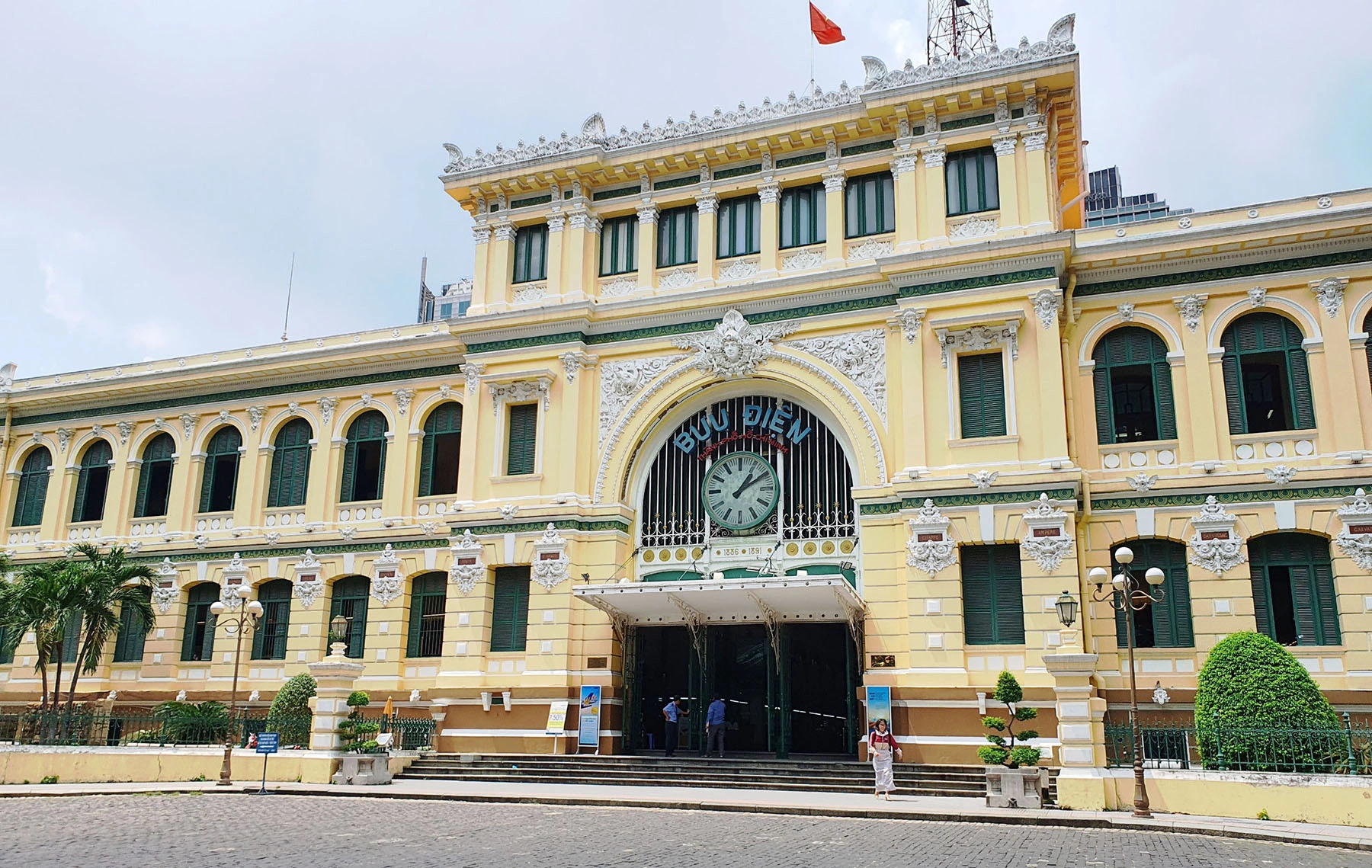
The city’s identity is shaped by centuries of history—from Khmer roots and Vietnamese expansion, to French colonization and the Vietnam War. The Independence Palace, War Remnants Museum, and Central Post Office are powerful reminders of Saigon’s historical turning points. The layered past is visible on every corner, in old villas, faded shop signs, and tree-lined boulevards where time seems to pause.
Neighborhoods and Urban Culture: A City of Many Faces
Ho Chi Minh City does not have a single “old quarter”—instead, its districts form a colorful mosaic of identities.
- District 1 is the city center, home to historic sites, modern malls, and nightlife.
- District 3 offers local charm, French-era architecture, and leafy streets.
- District 5 (Cho Lon) is the city’s Chinatown, alive with traditional markets and Chinese temples.
- District 2 (Thao Dien) is a trendy, expat-friendly area with riverside cafés, boutiques, and art galleries.
Exploring Saigon is a journey across neighborhoods—each with its own voice, style, and energy.
Ho Chi Minh Cuisine: Bold Flavors and Street Soul
Food in Ho Chi Minh City is fast, flavorful, and everywhere. Street corners turn into kitchens, and small alleys hide legendary vendors. Signature dishes include:
- Pho Saigon – lighter, sweeter broth than its northern cousin
- Banh mi – crispy baguette with pickles, meat, pate, and herbs
- Com tam – broken rice served with grilled pork and egg
- Hu tieu – southern noodle soup with seafood or pork
- Ca phe sua da – iced coffee with condensed milk, strong and addictive
Every meal is a sensory adventure—served fast, eaten fresh, and shared with joy.
Modern Ho Chi Minh: Rising, Buzzing, Evolving
Skyscrapers like Bitexco Financial Tower and Landmark 81 shape the modern skyline, while high-tech startups and co-working spaces reflect a youthful ambition. But Saigon doesn’t forget to breathe—green spaces like Tao Dan Park and Saigon Zoo offer calm amid the noise. Local designers, musicians, and artists are redefining the creative scene, making Ho Chi Minh City as inspiring as it is intense.
Practical Travel Tips for Visiting Ho Chi Minh City
Best time to visit: December to March (dry, cooler season)
Getting there: Tan Son Nhat International Airport is just 7 km from the city center
Transport: Use Grab or taxis; motorbike taxis are quick but be cautious
Currency: Vietnamese dong (VND); cash is king, though cards are accepted in larger places
Top experiences:
- Tour the Cu Chi Tunnels
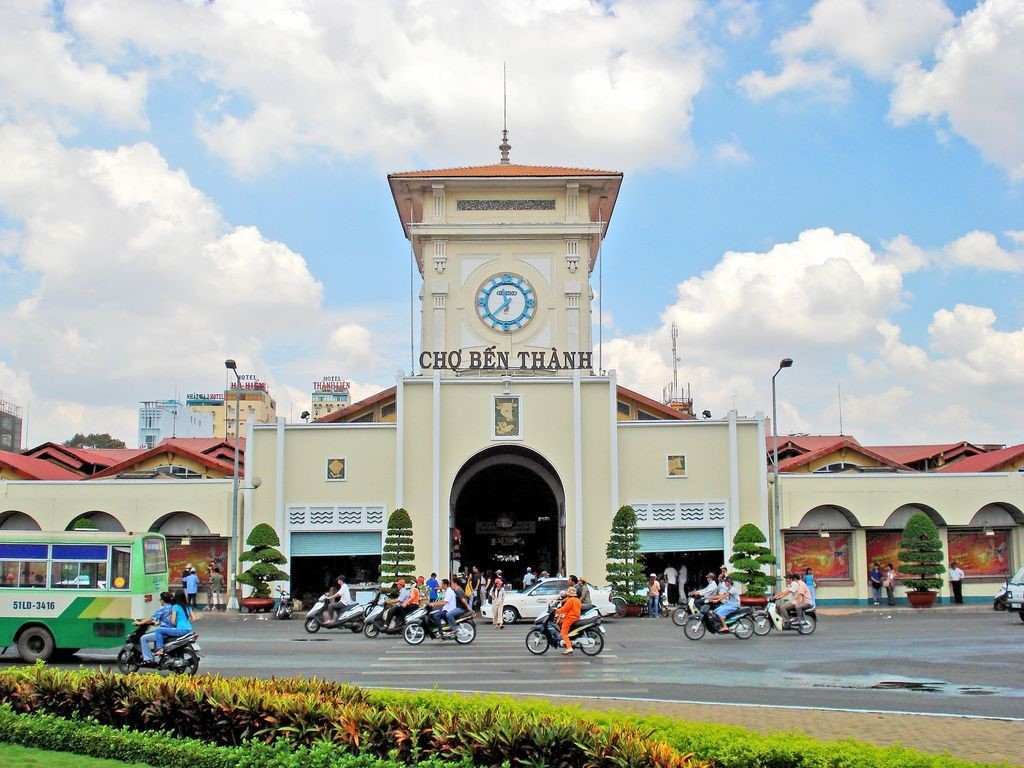
- Walk around Ben Thanh Market and Nguyen Hue Walking Street
- Visit the War Remnants Museum and Independence Palace
- Sip cocktails at a rooftop bar
- Explore street food alleys in District 3 or Cho Lon
Ho Chi Minh City is more than a destination—it’s an energy, a mood, a living story. It invites you to dive into chaos and find beauty, to wander through history and taste the future, to feel the pulse of a nation moving forward. For travelers ready to experience Vietnam at full speed—with heart and hustle—Saigon awaits.
Ho Chi Minh Photos
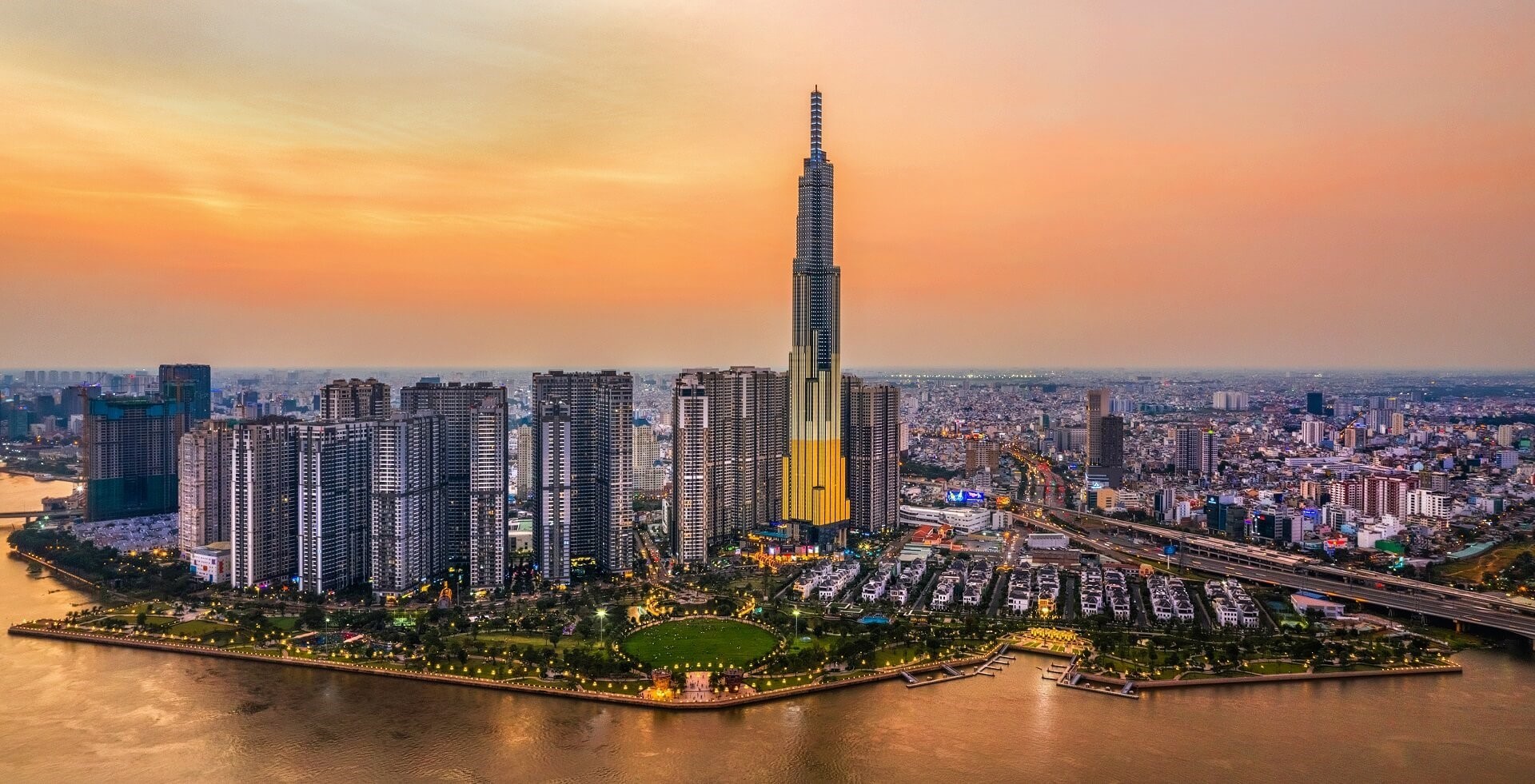
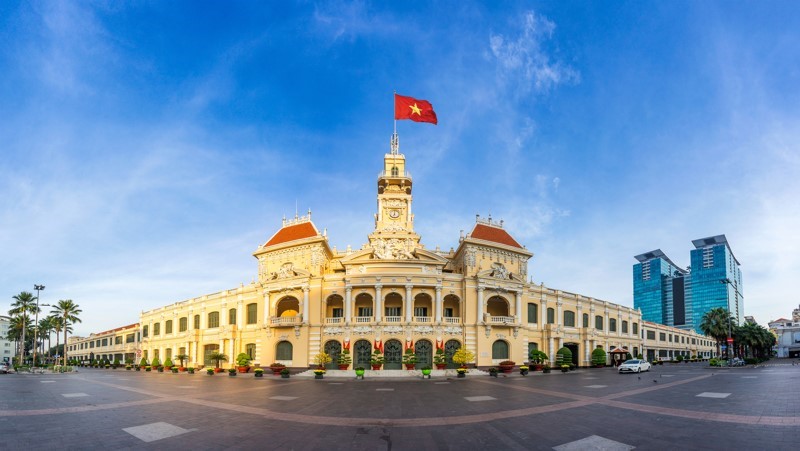
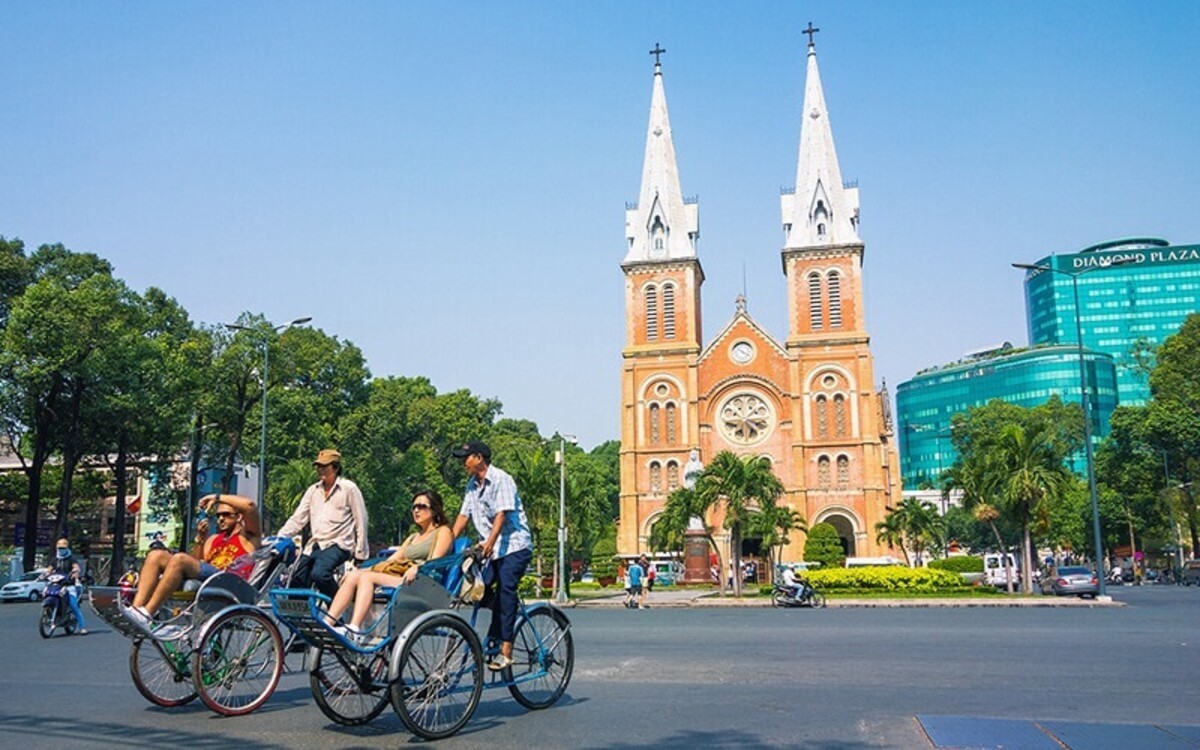
Ho Chi Minh Related Tours

 Ha Noi, Ha Long, Da Nang, Hoi An, Ho Chi Minh, Mekong Delta
 Budget tours
 8 days 7 nights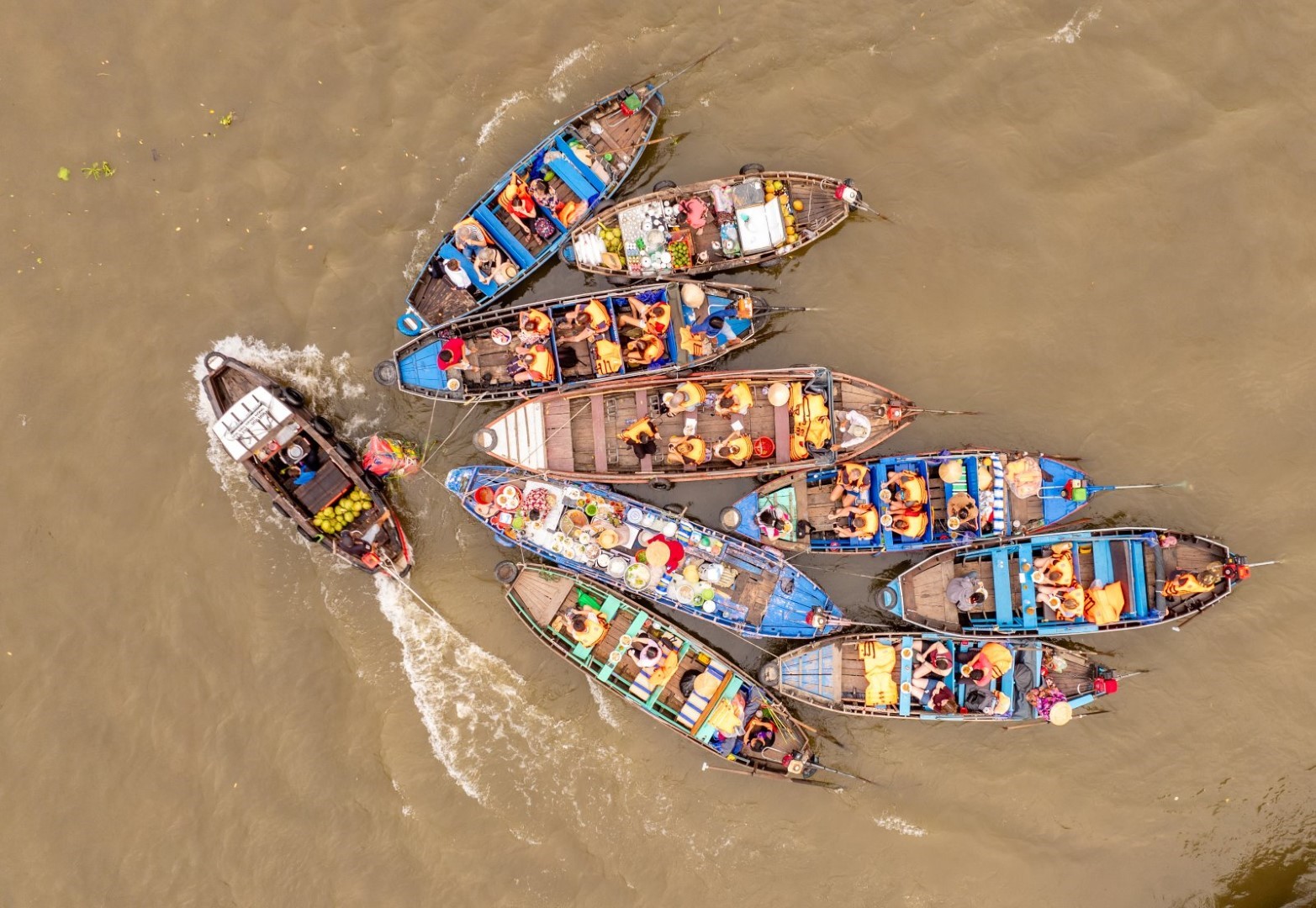


Our Offices
|
Hanoi Head Office: 87 Hoang Quoc Viet Street, Hanoi, Vietnam Tel: +84 24 38364212 / +84 24 37568868 Email : info@sinhcafe.com Whatapps: +84904488850 |
Hochiminh City Office: 126 Nguyen Thi Minh Khai Street, District 3,Hochiminh City Email : info@sinhcafe.com Tel: +84 28 38333388 |

Contact Us