


Hanoi or Chiang Mai. Which city should travelers consider in Southeast Asia?
When traveling to Southeast Asia, visitors often choose either Hanoi or Chiang Mai as their destination. Hanoi reflects the country’s long history and vibrant urban traditions. Chiang Mai is known for its ancient temples, relaxed atmosphere, and natural surroundings. This article by Sinh Cafe will compare these two cities to help you decide which destination best suits your travel preferences.
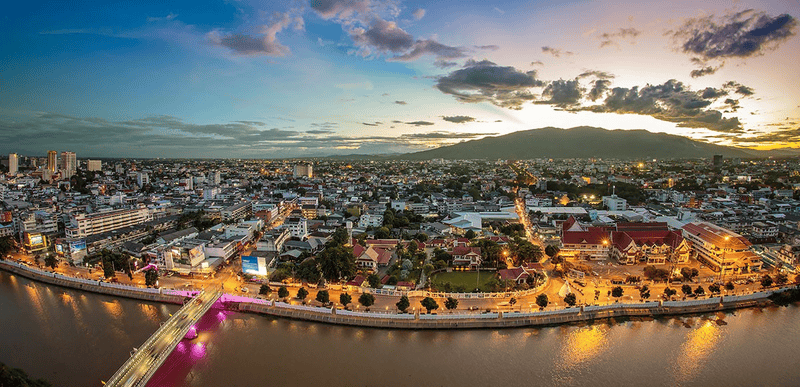
Overall about Hanoi or Chiang Mai
Overall, these two cities are two well-known destinations in Southeast Asia that offer distinctly different travel experiences. Either Hanoi or Chiang Mai reflects strong cultural traditions and local ways of life. Yet they differ in pace, urban atmosphere, and how visitors engage with everyday surroundings. These differences shape how travelers experience and remember each destination.
Hanoi
Located in the Northern part of Vietnam, Hanoi serves as the country’s political and cultural center. The city stands out for its old houses, tree-lined streets,etc where traditional lifestyles are still visible. Instead of rapid urban transformation, Hanoi has developed at a steady pace, allowing many historical elements and local customs to remain part of everyday life.
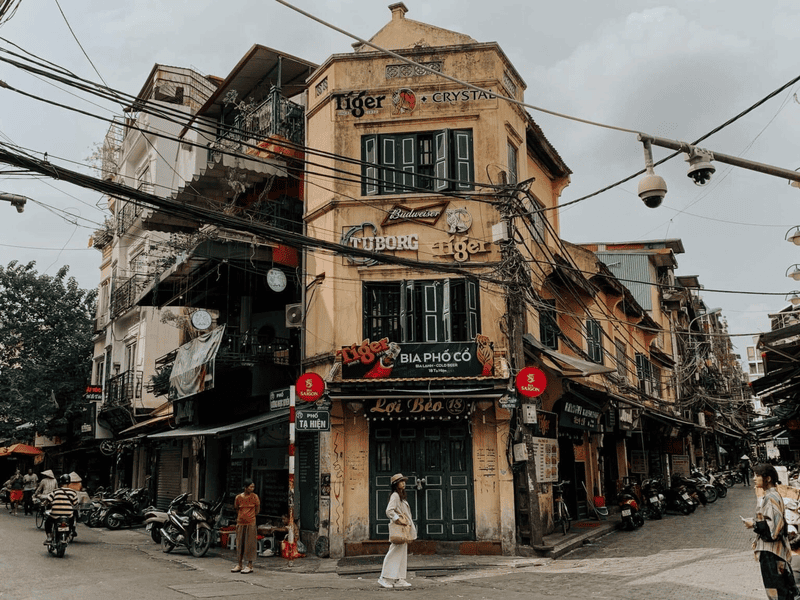
Ha Noi street (Source: Nguoi Ha Noi magazine)
Hanoi offers a travel experience that emphasizes culture and authenticity rather than modern entertainment. Visitors often spend their time exploring local markets, tasting street food, and visiting historical and cultural landmarks. With its quieter rhythm and strong sense of tradition, the city is especially appealing to travelers who prefer meaningful cultural encounters and a slower, more reflective journey.
Chiang Mai
Chiang Mai is a city located in northern Thailand, surrounded by mountains and rich natural landscapes. Unlike large metropolitan areas, the city has developed at a slower pace, allowing many traditional elements to remain visible in everyday life. With its historic old town, ancient temples, and calm streets, Chiang Mai offers a setting that feels both cultural and relaxed for visitors.
Chiang Mai from above (Source: VTV times)
Chiang Mai provides a peaceful and culturally immersive travel experience, attracting visitors who appreciate tradition, spirituality, and nature. Tourists often come to explore its famous temples, local markets, and nearby hills, as well as to enjoy the city’s slower rhythm of life. Rather than focusing on modern entertainment, Chiang Mai appeals to travelers seeking cultural discovery, natural scenery, and a laid-back atmosphere.
Tourism destinations in Hanoi or Chiang Mai
To better understand the tourism appeal of Hanoi or Chiang Mai, it is helpful to explore the key destinations of each city. These range from historical and cultural sites to natural attractions and popular places for visitors, reflecting the different travel experiences found in the two cities.
Hanoi
Hanoi is home to a wide range of tourist attractions that reflect its history, culture, and everyday local life. The following destinations are among the most popular and representative places for visitors exploring the city.
- Ho Chi Minh Mausoleum
The Ho Chi Minh Mausoleum is one of the most important historical landmarks in Hanoi and a symbol of national pride in Vietnam. Located in Ba Dinh Square, the mausoleum preserves the body of President Ho Chi Minh and attracts many domestic and international visitors.
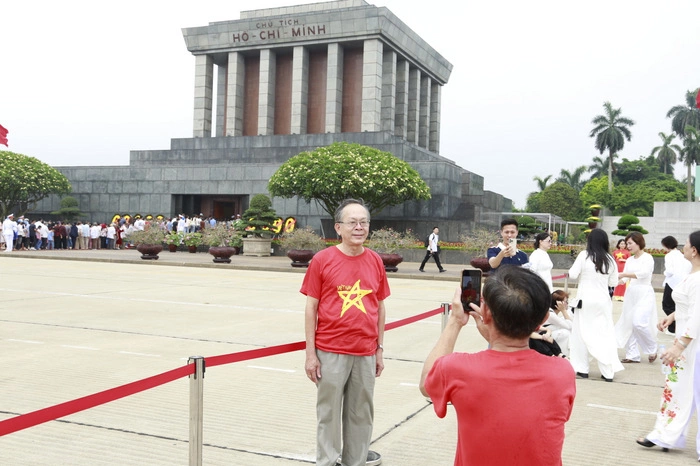
Tourist to Ho Chi Minh mausoleum (Source: VnExpress)
To enter the mausoleum itself, foreign tourists usually pay a small entrance fee of about 25,000 VND (approximately 1 USD). The site has specific opening hours and is typically open only in the mornings from Tuesday to Thursday and on Saturdays and Sundays from 7:30–10:30 AM
- Thang Long Imperial citadel
The Thang Long Imperial Citadel is one of the most important historical and cultural sites in Hanoi. Located in the city center, the citadel was once the political and administrative heart of several dynasties. Today, visitors can explore ancient gates, archaeological remains, and open courtyards that reflect the city’s long and complex past.
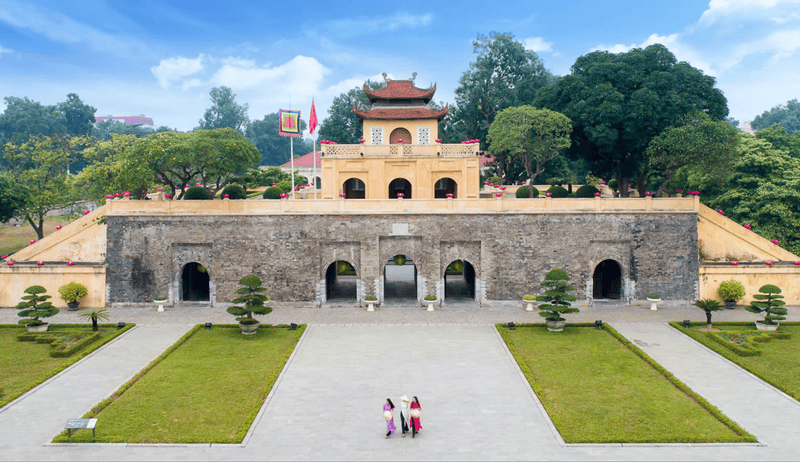
Thang Long Imperial citadel (Source: Nhan dan newspaper)
In terms of visitor access, the Thang Long Imperial Citadel is open daily from 8:00 a.m. to 5:00 p.m., except on Mondays. The entrance fee is approximately 30,000 VND per person, making it an affordable destination for both domestic and international tourists. With its central location and clear visiting schedule, the site is convenient for travelers who wish to explore Hanoi’s historical attractions at a relaxed pace.
- Hoan Kiem Lake
Hoan Kiem Lake is one of the most well-known landmarks in the heart of Hanoi. Located next to the Old Quarter, the lake is surrounded by tree-lined paths and historic structures such as Ngoc Son Temple and The Huc Bridge. With its calm scenery and central location, Hoan Kiem Lake serves as both a symbol of the city and a popular stop for visitors exploring Hanoi.
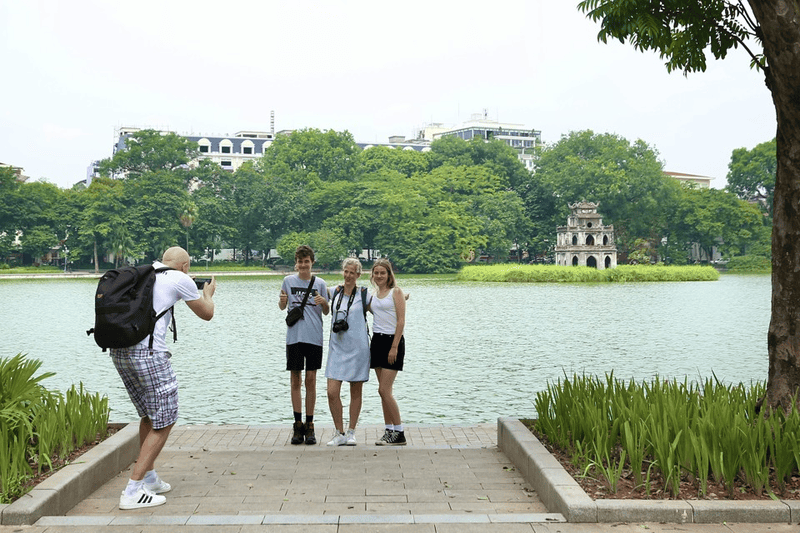
Foreign tourist at Hoan Kiem Lake (Source: Vietnam national authority of tourism)
The lake area is open to the public and free of charge, making it an easily accessible attraction for both locals and tourists.
Chiang Mai
Chiang Mai is one of the most popular cultural destinations in northern Thailand, attracting visitors with its temples, traditional lifestyle, and natural surroundings. The following section focuses on the city and highlights some of its main tourism destinations.
- Doi Suthep Pagoda
Doi Suthep Pagoda is one of the most iconic landmarks in Chiang Mai. Located on Doi Suthep Mountain, the pagoda offers panoramic views of the city. What makes this destination well known are its golden stupa and traditional Lanna architecture. Visitors often come here not only to admire the temple’s beauty but also to experience its peaceful atmosphere and learn about local religious traditions.
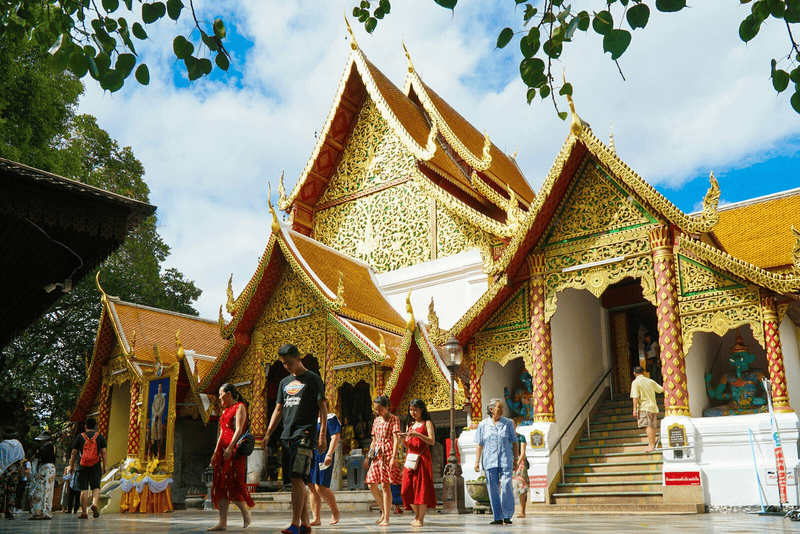
Doi Suthep Pagoda (Source: VnExpress)
The pagoda is generally open daily from early morning until evening, and the entrance fee is relatively low, usually around 30–50 baht, making it accessible to most visitors.
- Baan Kang Wat Handicraft Village
Baan Kang Wat Handicraft Village is a small creative community located on the outskirts of Chiang Mai, known for its focus on local arts and handmade products. The village is home to independent artists, small workshops, and cozy cafés, creating a relaxed and artistic atmosphere. Visitors often come here to browse handicrafts, watch artisans at work, and enjoy a quiet break from the city.
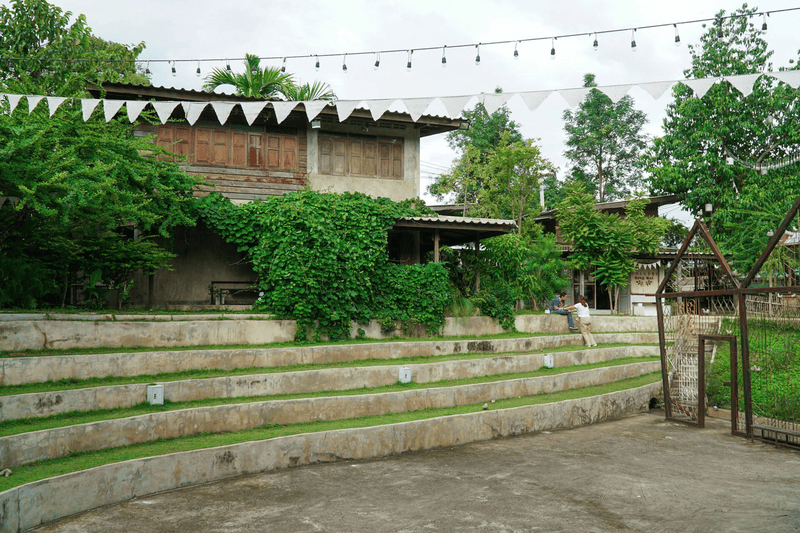
Baan Kang Wat Handicraft Village (Source: VnExpress)
Entry to the village is generally free of charge, although some workshops or special activities may require a small additional fee. The village is usually open during daytime hours, except on certain weekdays.
- Mae Sa Valley
Mae Sa Valley is a scenic area located just outside Chiang Mai, known for its natural landscapes and outdoor attractions. Surrounded by mountains, forests, and waterfalls, the valley offers a refreshing escape from the city’s busy atmosphere. Visitors often come here to enjoy nature-based activities such as sightseeing, visiting local farms, or exploring gardens and viewpoints.
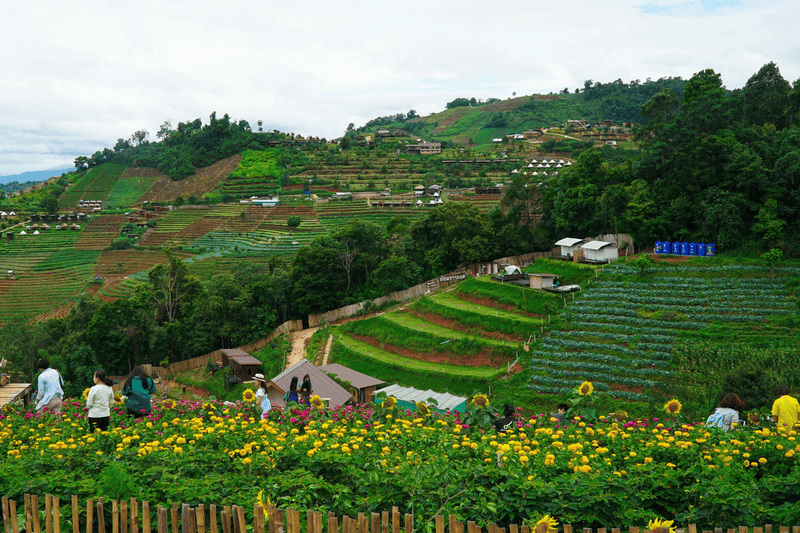
Mae Sa Valley (Source: VnExpress)
Some attractions within Mae Sa Valley, such as waterfalls or parks, charge a small entrance fee, typically ranging from 20 to 100 baht, and are generally open from morning to late afternoon. With its peaceful environment and fresh air, Mae Sa Valley appeals to travelers who enjoy relaxation, nature, and light adventure.
Read more: Visit Ngoc Son Temple - Iconic cultural and spiritual landmark in Hanoi
Food in Hanoi or Chiang Mai
Whether they choose Hanoi or Chiang Mai, food plays an important role in shaping the travel experience. Each city offers its own local flavors, cooking styles, and dining culture that reflect regional traditions and lifestyle of the two countries. Exploring the food of Hanoi and Chiang Mai helps visitors better understand the cultural differences between the two cities and adds depth to their overall journey.
Food in Hanoi
Food in Hanoi reflects the city’s long history and deep connection to local traditions. With a strong focus on fresh ingredients, balanced flavors, and street food culture, Hanoi offers visitors a chance to experience everyday local life through its cuisine.
- Pho
Pho is one of the most iconic dishes in Hanoi and a symbol of Vietnamese cuisine. This traditional noodle soup is made with a clear, flavorful broth, flat rice noodles, and typically beef or chicken, served with fresh herbs and condiments.
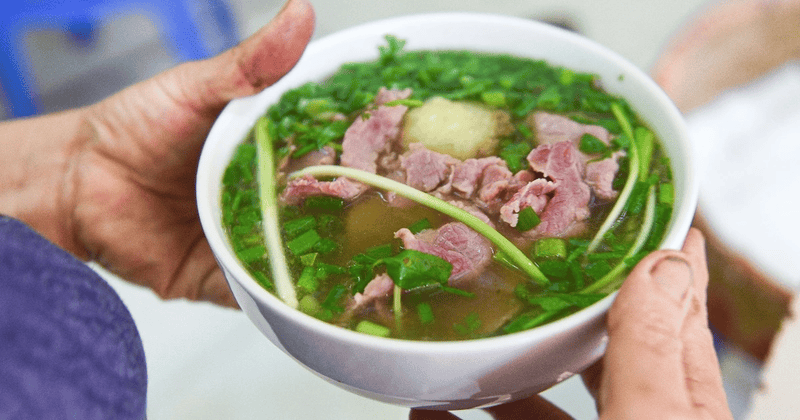
Pho (Source: Dan tri newspaper)
In Hanoi, Pho is known for its light yet rich taste, which reflects the city’s preference for subtle and balanced flavors. Visitors often enjoy pho as a breakfast dish, commonly found at small street-side eateries, where it offers an authentic and affordable local dining experience.
- Banh Mi
Banh Mi is a popular Vietnamese street food that reflects the influence of both local and colonial culinary traditions. The sandwich is made with a crispy baguette filled with ingredients such as grilled meat, pate, pickled vegetables, and fresh herbs. In Hanoi, banh mi is known for its simple yet flavorful fillings and affordable price.
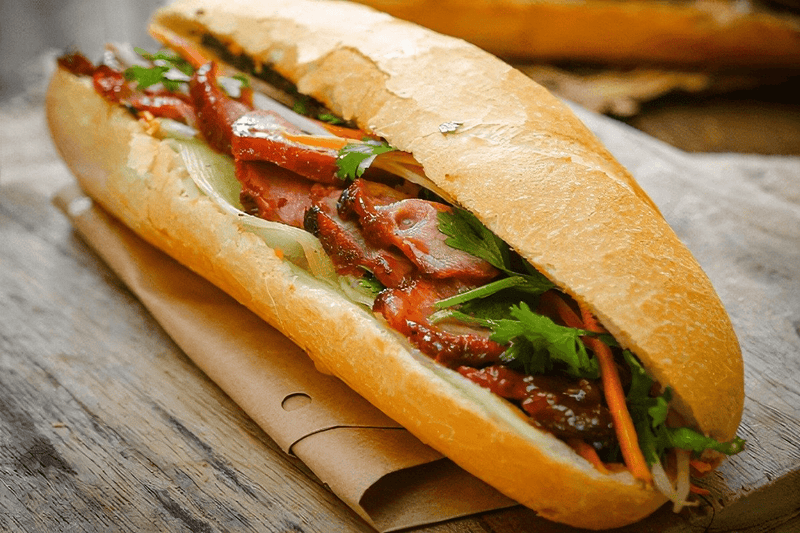
Banh mi (Source: Nguoi Ha Noi magazine)
- Green rice flake
Green rice flake is a traditional seasonal specialty closely associated with Hanoi. Made from young sticky rice that is carefully roasted and pounded, green rice flakes have a soft texture and a mild, fragrant flavor. This delicacy is often wrapped in lotus leaves, which add to its natural aroma and cultural significance
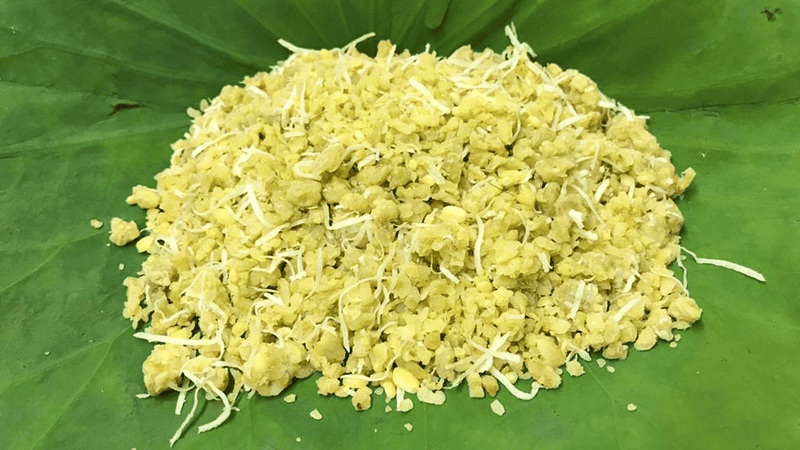
Green rice flake (Source: Thanh Nien newspaper)
Food in Chiang Mai
Food in Chiang Mai reflects the unique identity of northern Thai cuisine, which is known for its rich flavors and use of local herbs and spices. Influenced by Lanna traditions, the city’s food culture offers a different experience compared to other regions of Thailand.
- Khao Soi
Khao Soi is one of the most famous dishes in Chiang Mai and a signature of northern Thai cuisine. This noodle dish consists of egg noodles served in a rich and mildly spicy coconut curry broth, topped with crispy fried noodles and usually accompanied by chicken or beef.
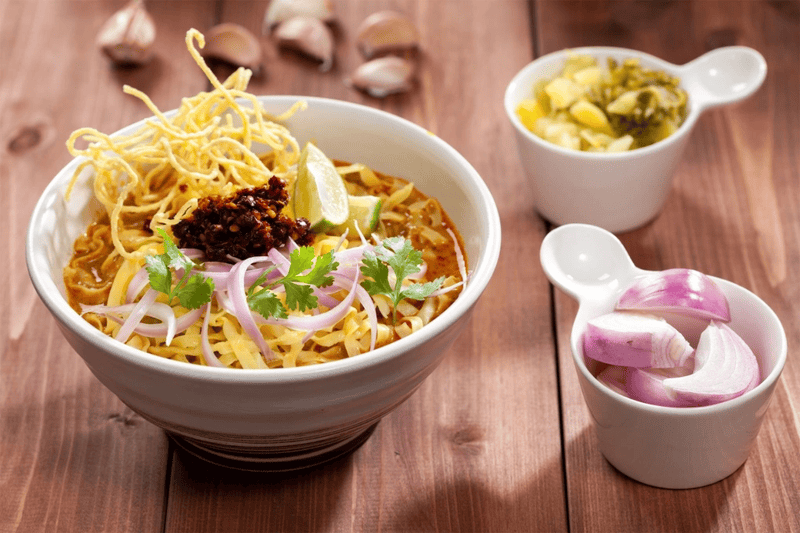
Khao soi (Source: VnExpress)
The combination of creamy curry, tender meat, and crunchy noodles creates a distinctive texture and flavor. Visitors often choose Khao Soi as a must-try local dish, as it represents the unique culinary identity of Chiang Mai.
- Sai Ua
Sai Ua is a traditional northern Thai sausage that is closely associated with Chiang Mai’s local cuisine. Made from minced pork mixed with herbs and spices such as lemongrass, kaffir lime leaves, and chili, Sai Ua is known for its aromatic and slightly spicy flavor.
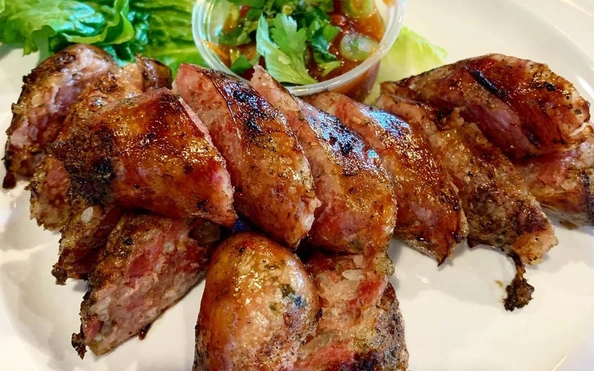
Sai Oua (Source: Nguoi Lao Dong newspaper)
The sausage is usually grilled and served in slices, often accompanied by fresh vegetables or sticky rice. Visitors commonly encounter Sai Ua at local markets and street food stalls, where it offers an authentic taste of northern Thailand.
- Nam Prik Ong
Nam Prik Ong is a popular northern Thai chili dip commonly found in Chiang Mai. Made from minced pork, tomatoes, dried chili, and garlic, this dish has a rich, slightly spicy, and savory flavor.
Nam Prik Ong is typically served with fresh vegetables and sticky rice, making it a light yet flavorful part of a local meal. Visitors often try this dish to experience a more traditional and everyday style of northern Thai cuisine.
Activities in Hanoi or Chiang Mai
Activities play an important role in shaping the travel experience in both Hanoi and Chiang Mai. Each city offers a range of activities that reflect its lifestyle, cultural background, and natural surroundings.These activities allow visitors to engage more deeply with local life of these two cities
Activities in Hanoi
Activities in Hanoi are closely connected to the city’s daily life and cultural traditions. Rather than fast-paced entertainment, Hanoi offers experiences that allow visitors to observe, participate in, and enjoy local lifestyles.
- Walking in pedestrian street
Walking in the pedestrian street around Hoan Kiem Lake is one of the most popular activities in Hanoi, especially during weekends. The area is closed to traffic, creating a safe and relaxed space for both locals and visitors to walk, socialize, and enjoy public performances. Street musicians, traditional games, and small cultural events often take place, adding to the lively yet comfortable atmosphere.
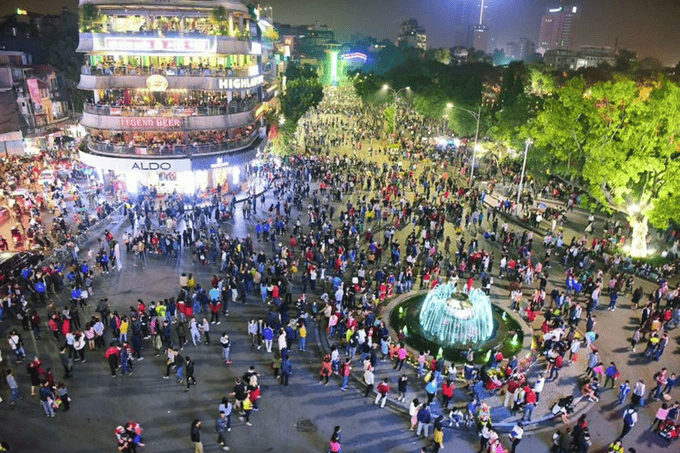
Ho Guom pedestrian street (Source: VnExpress)
- Watching traditional performances
Watching traditional performances is a meaningful activity for visitors who want to explore Hanoi’s cultural heritage. Popular shows include water puppet performances and traditional music, which reflect Vietnamese folklore and daily life.

Water puppet (Source: Nhan dan newspaper)
These performances are usually held in theaters near the Old Quarter and are easy for tourists to access with the price of tickets fluctuating from 3 USD to 6 USD.
- Enjoying coffee culture
Enjoying coffee culture is a popular and relaxing activity in Hanoi. The city is known for its wide variety of cafés, ranging from traditional street-side coffee stalls to small cafés hidden in old houses and narrow alleys.
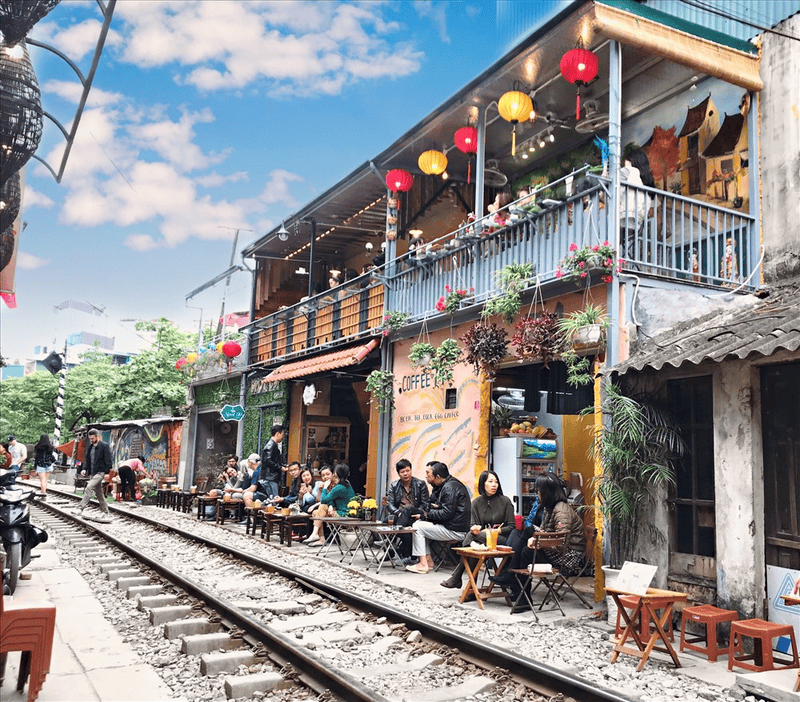
Coffee shop besides the railway (Source: Lao Dong newspaper)
Visitors often spend time sitting by the street, watching daily life while enjoying local coffee styles such as egg coffee or iced black coffee. This activity offers a simple yet authentic way to experience the rhythm of life in Hanoi.
Activities in Chiang Mai
Activities in Chiang Mai often focus on nature, outdoor experiences, and cultural exploration. Unlike large and busy cities, Chiang Mai offers a slower pace of life combined with easy access to mountains, temples, and local communities. These activities allow visitors to relax while discovering the natural and cultural highlights of Northern Thailand.
- Visit an ethical elephant sanctuary
Visiting an ethical elephant sanctuary is a meaningful activity for many travelers in Chiang Mai. These sanctuaries prioritize the well-being and natural behavior of elephants, offering experiences such as feeding, bathing, and observing the animals.

Bathing an elephant (Source: Vnexpress)
- Explore the countryside by bicycle
Exploring the countryside by bicycle is a popular activity for visitors who want to experience the natural scenery and rural lifestyle around Chiang Mai. Cycling routes often pass through rice fields, small villages, and quiet country roads, offering a peaceful alternative to city travel.
This activity allows visitors to observe local life at a slower pace while enjoying fresh air and scenic landscapes. It is especially appealing to travelers who prefer outdoor activities and a more active way of exploring the region.
- Watching Muay Thai
Watching Muay Thai is an exciting activity for visitors interested in Thailand’s traditional martial art. In Chiang Mai, Muay Thai matches are regularly held at local stadiums, where visitors can experience the sport’s intense atmosphere and cultural significance.

Muay Thai (Source: VnExpress)
Read more: Hanoi Street Food: Top extremely attractive dishes
Which season is favourable to visit these two cities?
Choosing the right season to visit Hanoi and Chiang Mai is an important factor in planning a trip to these two destinations. Differences in climate and weather conditions can strongly affect travel activities and overall comfort. Therefore, understanding the most favorable seasons helps visitors enjoy the best experiences in both Hanoi and Chiang Mai.
Hanoi
The most favorable time to visit Hanoi is during autumn (from September to November), when the weather is cool and pleasant with lower humidity. During this season, temperatures are comfortable for outdoor activities such as walking around the Old Quarter and visiting historical sites.
Chiang Mai
Chiang Mai’s ideal time for travelling is during the cool season from November to February, when the weather is dry and temperatures are comfortable. This period is ideal for outdoor activities such as visiting temples, cycling in the countryside, and exploring nearby natural areas.
Hanoi or Chiang Mai-Which city is more worth visiting?
In conclusion, Hanoi and Chiang Mai each offer distinctive travel experiences shaped by their culture, lifestyle, and surrounding environment. As each city provides a unique atmosphere and way of experiencing local life, choosing Hanoi or Chiang Mai depends largely on individual travel preferences and expectations.
If you find both cities interesting and are planning to visit in the future, Sinhcafe is a tour provider you may consider. While tours to Chiang Mai are not currently available, our Hanoi tours offer well-designed itineraries that allow visitors to explore the city’s culture, history, and local lifestyle.
To book a tour or receive further information, please contact our hotline at +84 904 488 850 or visit our website. Our team is always ready to assist and answer any questions you may have.
Share via




Related articles
Visit Ha Giang in November: Is it a good time to go?
Posts | 21/09/2026

Yang Bay Waterfall: A Hidden Paradise near Nha Trang you shouldn’t miss
Blog | 24/03/2026

Diep Son island: Walk across the sea in Vietnam’s hidden paradise
Posts | 24/03/2026

Co Tien Mountain: A Scenic Hike with Stunning Views in Nha Trang
Blog | 24/03/2026






There are no reviews yet