


Da Nang to Phu Quoc: The complete travel guide (2026)
Vietnam is a country made for road trips. If you're planning a Vietnam itinerary that combines Da Nang with Phu Quoc, you've picked two of the country's most iconic destinations. The challenge? Getting from one to the other takes a bit more planning than a simple point-to-point train ride. This complete da nang to phu quoc travel guide covers everything you need: exact distances, all available transport options with up-to-date prices, step-by-step routing for each method, and practical tips to make the journey as smooth as possible.
Vietnam is a country made for road trips. If you're planning a Vietnam itinerary that combines Da Nang with Phu Quoc, you've picked two of the country's most iconic destinations. The challenge? Getting from one to the other takes a bit more planning than a simple point-to-point train ride. This complete da nang to phu quoc travel guide covers everything you need: exact distances, all available transport options with up-to-date prices, step-by-step routing for each method, and practical tips to make the journey as smooth as possible.
How far is Da Nang to Phu Quoc? Distance & Geography explained
Before diving into how to get there, it helps to understand the geography, because the da nang to phu quoc distance is not as straightforward as it looks on a map.
Straight-line vs. actual travel distance
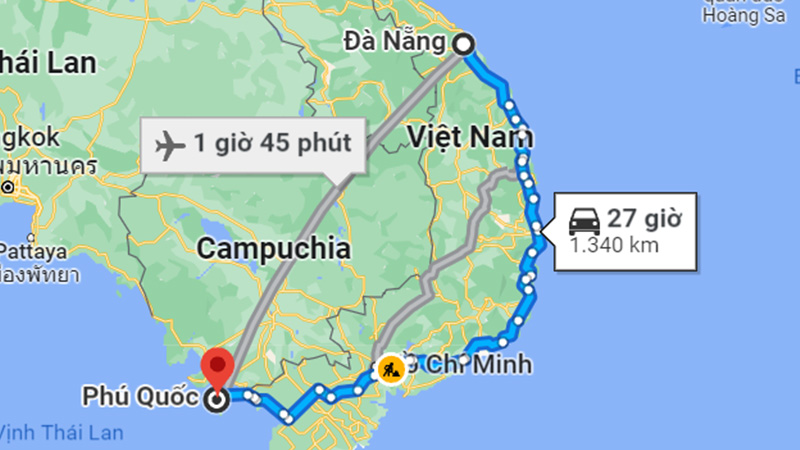
The straight-line (as-the-crow-flies) distance from Da Nang to Phu Quoc is approximately 795–797 km. However, the distance from da nang to phu quoc in real-world travel terms is a different story entirely. If you choose to travel by road, the drive stretches to about 1,340 km using National Highway 1A, nearly double the straight-line figure. And that's before accounting for the final ferry leg across the sea to the island itself.
How far is Da Nang to Phu Quoc (Source: Best Price)
Why the gap? Because Vietnam is long and narrow, and Phu Quoc sits in the Gulf of Thailand off the southwestern tip of the country. The road network follows the coastline southward before cutting inland toward the Mekong Delta, adding significant distance to any overland journey.
Why the journey requires more than one transport mode
This is the key thing to understand about da nang and phu quoc distance: Phu Quoc is an island. There are no roads or bridges connecting it to the mainland. That means unless you fly, every overland route ends at a port, either Rach Gia or Ha Tien, where you then board a ferry to complete the final crossing.
Flying from Da Nang is the quickest and most convenient option. A combination of bus and ferry via Ho Chi Minh City or Rach Gia is available for those looking to save costs. How far is da nang to phu quoc in practical terms, then, depends entirely on which transport you choose and both options are covered in full below.
All ways to get from Da Nang to Phu Quoc
There are three main approaches to the da nang to phu quoc travel options: fly directly, take a sleeper bus followed by a ferry, or combine train and bus with the same ferry finale. Each suits a different type of traveler, budget, and schedule.
Here's a quick overview before we go deeper into each:
|
Transport option |
Total travel time |
Estimated cost |
Best for |
|
Plane (direct or with layover) |
~1h 45m – 3h |
$88–$180 one-way |
Speed, comfort, families |
|
Sleeper bus + ferry |
~24–28 hours |
~$40–60 |
Budget travelers |
|
Train + bus + ferry |
~26–30 hours |
~$50–110 |
Scenic explorers |
|
Motorbike + ferry |
~20–26 hours |
Varies |
Adventure riders |
By Plane — The fastest way to get from Da Nang to Phu Quoc
For most travelers, flying is the obvious answer when it comes to how to get from da nang to phu quoc. The average flight time is 1 hour and 45 minutes, and as of 2025, there are approximately 4 direct flights per day operated by VietJet Air and Sun PhuQuoc Airways.
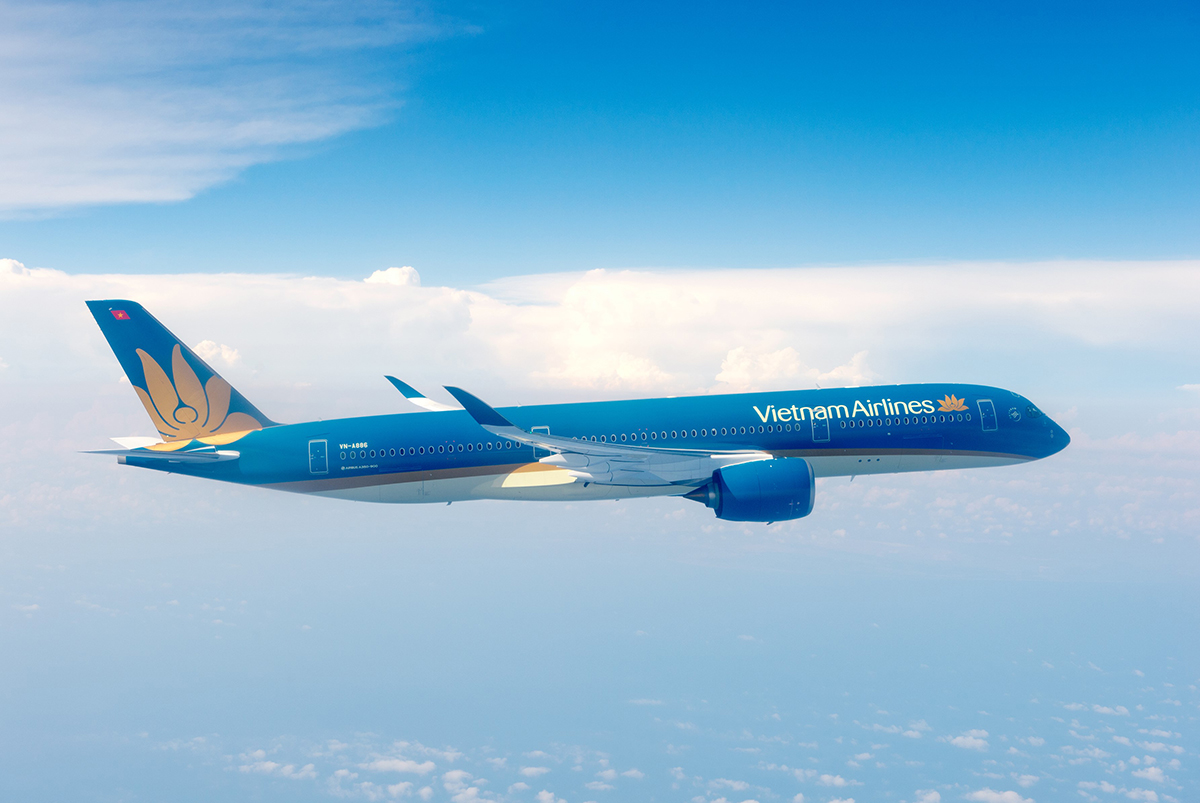
By Plane — The fastest way to get from Da Nang to Phu Quoc (Source: Collected)
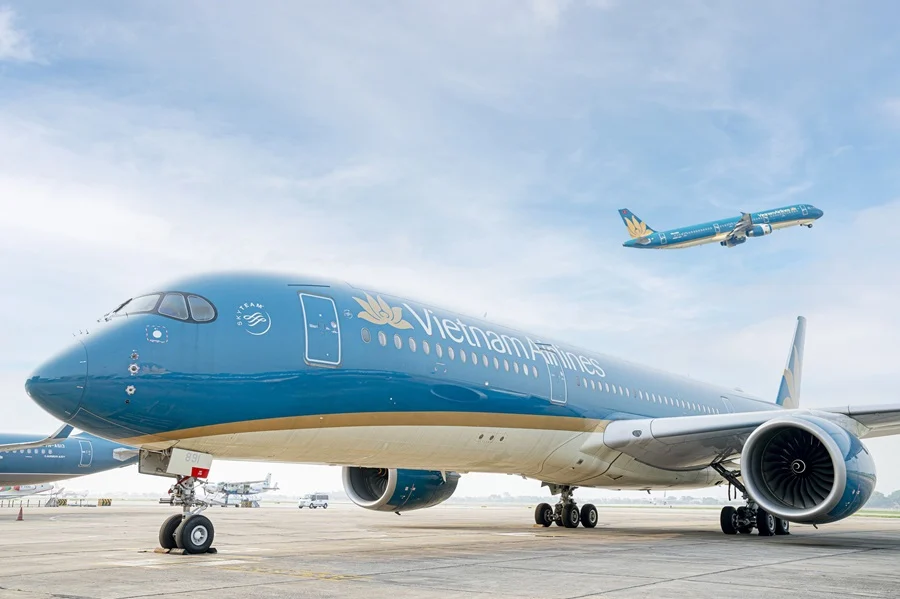
VietJet currently offers around 18 nonstop flights per week on this route. Vietnam Airlines also serves the route but primarily through connecting flights via Ho Chi Minh City's Tan Son Nhat Airport - a good option if you prefer a full-service carrier but don't mind a layover.
In terms of cost, the cheapest one-way fares with VietJet start from around $89, while round-trip tickets begin at approximately $164. Prices fluctuate based on season and how far in advance you book, travelers who book at least 2 weeks ahead typically save around 16% compared to last-minute purchases.
Key flight details:
- Departure airport: Da Nang International Airport (DAD) — Terminal 1
- Arrival airport: Phu Quoc International Airport (PQC)
- Earliest departure: 08:25 from Da Nang, arriving 10:10 at Phu Quoc
- Latest departure: 15:50, arriving 17:35
- Airlines: VietJet Air, Vietnam Airlines (connecting), Sun PhuQuoc Airways
Tips to get the best deal on phu quoc from da nang flights:
- Book 2–4 weeks in advance for the best standard fares
- Fly mid-week (Tuesday or Wednesday) for lower prices and less crowded cabins
- September tends to offer the lowest ticket prices of the year
- Sign up for airline loyalty programs to earn points toward future trips
- Prioritize round-trip tickets over one-way for better overall value
By Sleeper bus + ferry - The budget-friendly route
If you ask a backpacker how to go from da nang to phu quoc on a tight budget, the sleeper bus and ferry combo is almost always the answer. It's long, it's not glamorous, but it works, and it costs a fraction of flying.

By Sleeper bus + ferry - The budget-friendly route (Source: Collected)
The route involves taking a sleeper bus from Da Nang toward Ho Chi Minh City, then continuing by bus to a mainland port, and finally crossing by ferry or speedboat to the island. Here's how each leg breaks down:
- Step 1: Da Nang → Ho Chi Minh City (HCMC): The first leg is a ~944 km overnight ride taking approximately 20 hours. Bus fares typically run around 450,000–600,000 VND depending on the company and bus type. Reputable operators include Phuong Trang (FUTA), Bon Luyen Express, Hoang Long, and Tran Loi. Sleeper buses on this route have reclining seats or lie-flat pods and are perfectly comfortable for an overnight journey.
- Step 2: HCMC → Rach Gia or Ha Tien: From Ho Chi Minh City, catch a bus from Mien Tay Station heading southwest. Rach Gia is approximately 353 km away (~6 hours), while Ha Tien is around 412 km (~8 hours). Fares are typically around 300,000 VND.
- Step 3: Ferry to Phu Quoc: From Ha Tien, the high-speed boat takes approximately 1 hour 15 minutes. From Rach Gia, the crossing takes around 2.5 hours. Reliable ferry operators include Superdong, Phu Quoc Express, Thanh Thoi, and Binh An. Ferry fares from either port range from 200,000 to 350,000 VND, with reductions available for elderly passengers, people with disabilities, and children.
Total estimated cost: ~900,000 – 1,300,000 VND (approximately $40–55 USD) Total travel time: 24–30 hours depending on connections
By train + bus + ferry - The scenic overland adventure
This is the route for travelers who want to see Vietnam, not just get across it. Taking the train and bus combination followed by a ferry from da nang to phu quoc takes approximately 26–30 hours in total, with costs ranging from $50–110 depending on seat class and ferry operator.
The routing follows the same final two legs as the bus option, bus from HCMC to Rach Gia or Ha Tien, then ferry to the island. The difference is the first leg: instead of a bus, you take the Reunification Express train from Da Nang south to HCMC. This is one of the most scenic rail journeys in Southeast Asia. The tracks hug the coastline, cross wide river deltas, and pass through charming provincial towns. Soft-sleeper berths are comfortable and reasonably priced, making the 16–18 hour train ride far more pleasant than it might sound.
This is the ideal from da nang to phu quoc option for travelers who have 2–3 days to spare and want to experience Vietnam's geography up close before settling into island life.
By Motorbike + Ferry — For the True Road Tripper
Not for everyone, but absolutely for the right person. Riding a motorbike from Da Nang down to Ha Tien or Rach Gia takes approximately 18 to 24 hours of riding time, depending on pace and stops. It allows for maximum flexibility — pulling over wherever the scenery demands it, exploring sleepy coastal towns, and arriving at the ferry port with a genuine sense of having traveled rather than simply been transported.
You'll load your motorbike onto one of the Thanh Thoi vehicle ferries at Rach Gia or Ha Tien for the final crossing to the island. Budget an extra day or two for the overland portion if you want to enjoy the route rather than just survive it. Popular stop-offs include Quy Nhon, Nha Trang, HCMC, and the Mekong Delta, all logical rest points on the route south.
Read more: Phu Quoc to Da Nang flights: Best airlines, prices and schedules
Detailed Guide to Flying from Da Nang to Phu Quoc Island
For the majority of travelers, especially those combining da nang to phu quoc island as part of a wider Vietnam trip, flying remains the clear front-runner. Here's everything you need to know.
Which airports are involved?
Da Nang International Airport (DAD) is located approximately 5.5 km from the city center, well-connected by taxi and Grab. It handles both domestic and international routes and is straightforward to navigate.
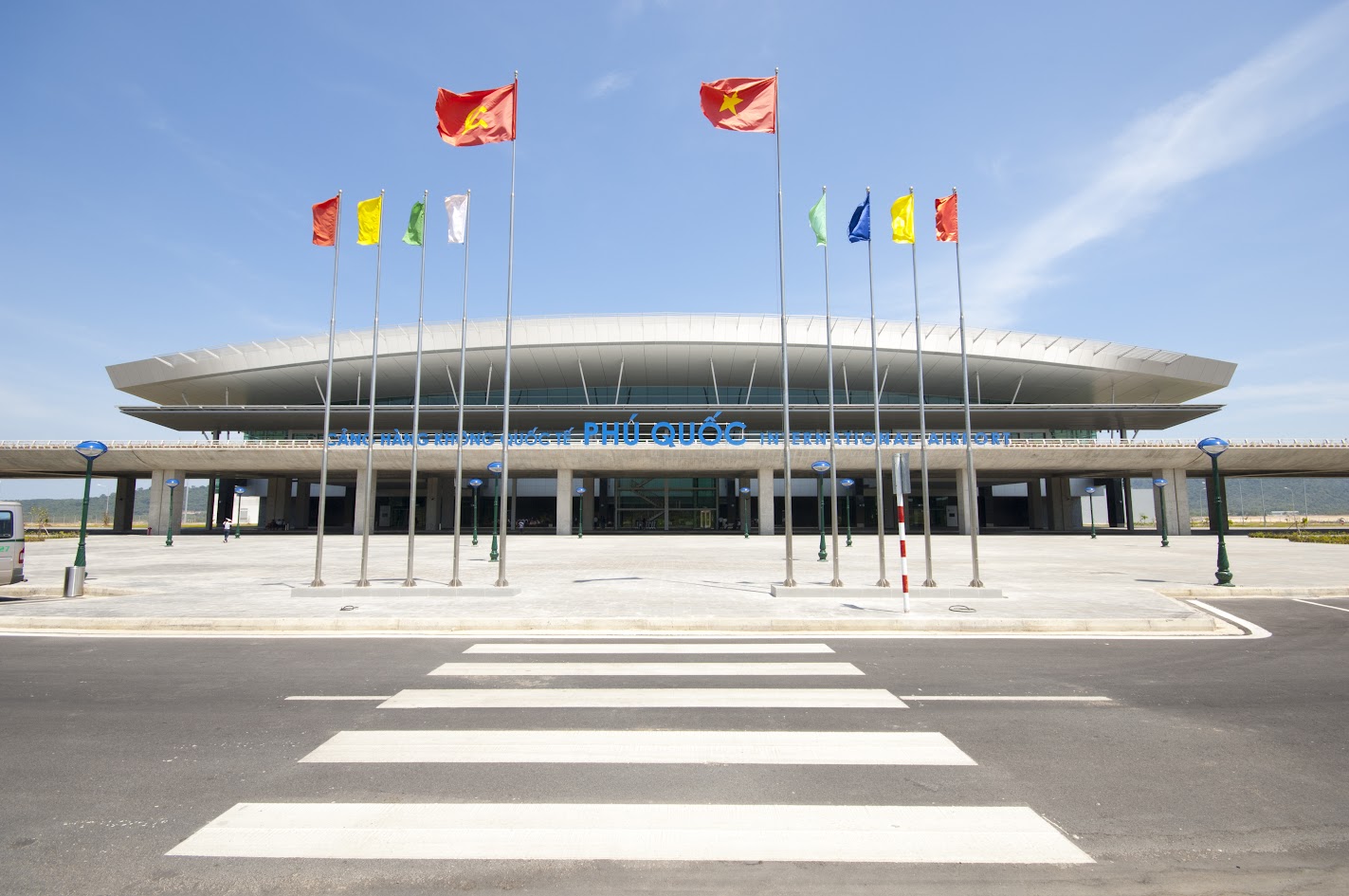
Phu Quoc International Airport (PQC) (Source: Vietjet Air)
Phu Quoc International Airport (PQC) sits in the southern part of the island, approximately 10 km from Duong Dong town, the island's main hub. It's one of Vietnam's busiest domestic airports and has expanded significantly in recent years to handle growing tourist traffic.
Both airports are modern, well-signposted, and easy to move through. Arrive at Da Nang with at least 60–90 minutes before departure for domestic check-in.
Airlines and Flight Schedules
Airlines flying between Da Nang and Phu Quoc include VietJet Air, Vietnam Airlines, Sun PhuQuoc Airways, Vietravel Airlines, and Bamboo Airways. For direct nonstop flights, VietJet Air and Sun PhuQuoc Airways are your primary options, with VietJet operating the highest frequency.
Vietnam Airlines routes through Ho Chi Minh City, making it a better choice if you want a full-service experience with included baggage, meals, and a more relaxed boarding process, but factor in the extra time for the layover and transfer.
Direct flight numbers on the Da Nang–Phu Quoc route include VJ715, VJ717, VJ719, VJ1719 (VietJet), and 9G2965 (Sun PhuQuoc). All depart from Terminal 1 at Da Nang.
How to get the cheapest flight
- Book in advance: The earlier the better, especially for holiday periods like Tet (January/February), June, and August.
- Be flexible on dates: Mid-week departures (Tuesday or Wednesday) consistently offer lower prices and less crowded flights. Avoiding major Vietnamese public holidays also helps significantly.
- Compare platforms: Check VietJet's website directly alongside aggregators like Google Flights, Traveloka, or 12Go.asia for the best price comparison.
- Flash sales: VietJet in particular runs frequent promotional fares — follow their social media channels or sign up for email alerts to catch these.
- Loyalty programs: Both Vietnam Airlines (Lotusmiles) and VietJet (SkyJoy) offer reward programs worth joining if you fly Vietnam regularly.
Bus and Ferry Route — Step-by-step breakdown
For budget-conscious travelers who have chosen the overland option, here's a more granular breakdown of each segment so nothing catches you off guard.
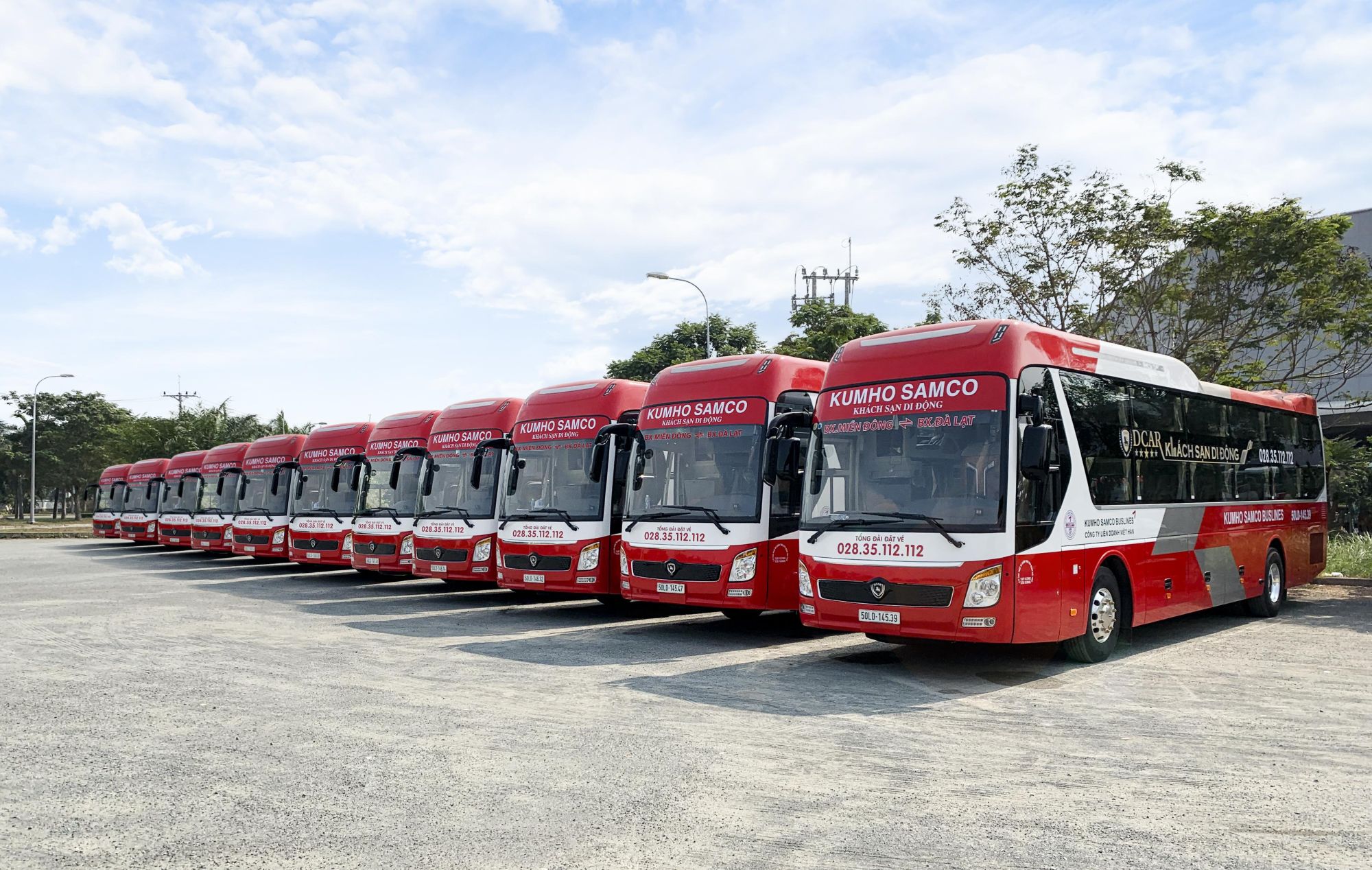
Bus and Ferry Route is for budget-conscious travelers (Source: Kumho Samco)
Da Nang to Ho Chi Minh City by Bus
This is the longest single leg of the journey. Depart from Da Nang's central bus station or book a hotel pickup through your chosen bus company. The trip spans approximately 944 km and takes around 20 hours, with fares around 450,000–600,000 VND depending on company and seat type.
Recommended companies: Phuong Trang (FUTA), Hoang Long, Sinh Tourist, and Bon Luyen Express. Always opt for a sleeper bus to maximize rest during the overnight journey. Buses typically depart in the late afternoon or evening, arriving in HCMC the following morning, ideal timing for the onward connection.
Ho Chi Minh City to Rach Gia or Ha Tien
Once in HCMC, head to Mien Tay Bus Station (Bến xe Miền Tây) - the main hub for buses heading southwest toward the Mekong Delta. Buses to Rach Gia cover around 353 km in approximately 6 hours. Buses to Ha Tien cover 412 km in around 8 hours. Fares are typically around 300,000 VND either way.
Ha Tien is the closer port to Phu Quoc and increasingly popular as a departure point. Rach Gia has more frequent ferry departures spread throughout the day and is a better option if you arrive at the port later in the afternoon.
Ferry from Rach Gia or Ha Tien to Phu Quoc
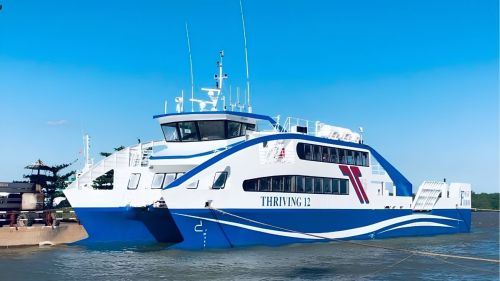
This is the final leg — and genuinely enjoyable when the sea is calm. From Ha Tien, the high-speed boat takes approximately 1 hour 15 minutes. From Rach Gia, the journey is around 2.5 hours by high-speed boat. The main operators are Superdong, Phu Quoc Express, Thanh Thoi, and Binh An — all with online booking available.
Book ferry tickets in advance during peak season (December–April and major Vietnamese holidays). Spaces fill quickly and last-minute purchases at the pier can be stressful, especially when the next ferry isn't for several hours.
Best time to travel from Da Nang to Phu Quoc
Timing matters on this route — not just for the destination, but for the journey itself, particularly if you're taking the ferry which is weather-dependent.
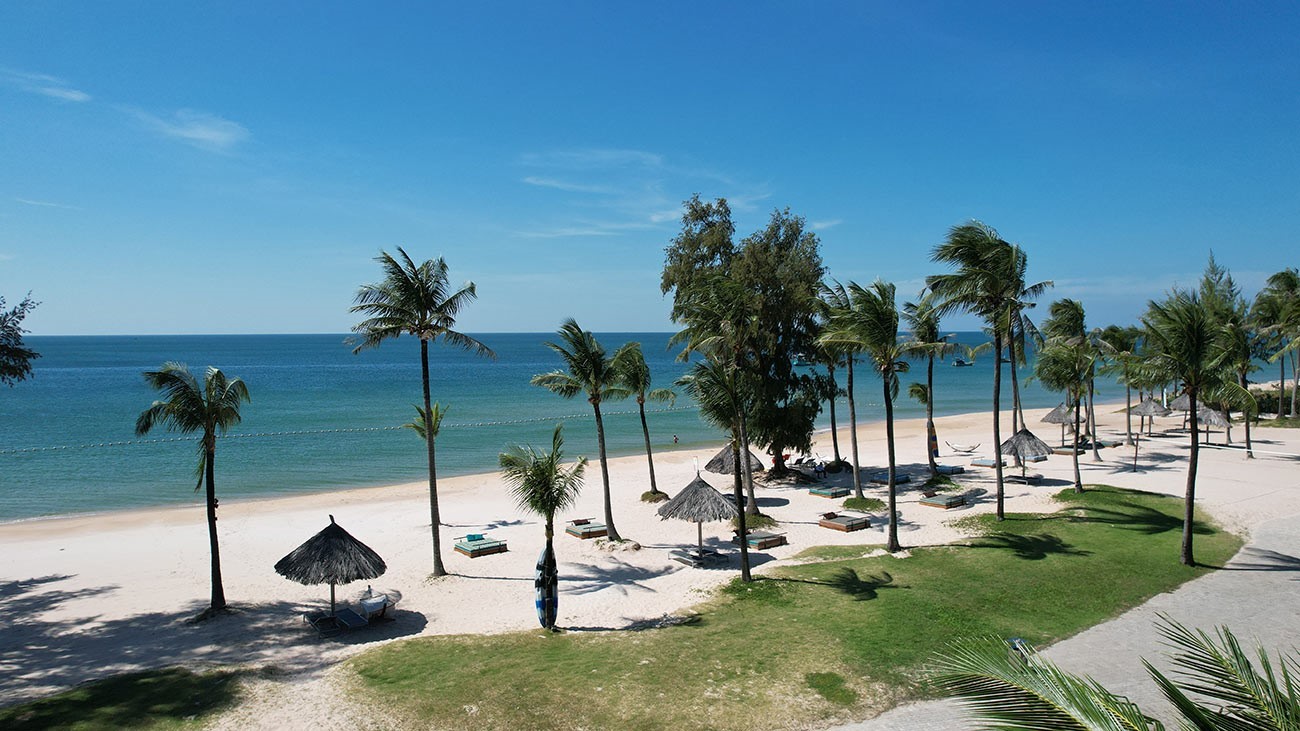
Best time to travel from Da Nang to Phu Quoc (Source: Collected)
Weather Comparison: Da Nang vs. Phu Quoc
Da Nang and Phu Quoc operate on nearly opposite seasonal rhythms, which is actually useful for trip planning.
Da Nang: The dry season runs roughly from February to August, with peak tourist conditions between April and July. The rainy season arrives from September through January, with October and November being the wettest months. Typhoons can occasionally affect central Vietnam during this period, so avoid scheduling ferry journeys out of Da Nang's nearby ports during the worst of the rainy season.
Phu Quoc: The island is tropical year-round, with temperatures consistently between 25°C and 30°C. The dry season from November to April is the ideal window — sunny skies, calm seas, and perfect beach conditions. The rainy season runs May through October, with July and August typically seeing the heaviest rainfall and roughest sea conditions.
The sweet spot for combining both destinations in one trip: December through March. Da Nang is transitioning from its rainy season to dry, while Phu Quoc is squarely in peak conditions. This window gives you the best of both.
Peak Season vs. Off-Season: What to Expect
During peak season (December–February, June–August), both Da Nang and Phu Quoc see heavy domestic and international tourist traffic. Flights and accommodation fill up fast, ferry tickets sell out, and prices surge across the board. Book everything — flights, ferries, hotels — at least 3–4 weeks ahead during these periods, and 6–8 weeks ahead for Tet.
During shoulder and off-season (March–May, September–November), prices drop noticeably and crowds thin considerably. You may encounter rain in Phu Quoc from May onward, which makes beach time less reliable, but this period is excellent for budget travelers or those who prefer a quieter, more authentic island experience. The ferry crossings are also far more comfortable in calm weather, so shoulder season is the sweet spot for the overland + sea route.
Practical tips for a smooth Da Nang to Phu Quoc Trip
Understanding how far is da nang to phu quoc is one thing, making the journey stress-free requires a bit of extra preparation on both ends. These tips apply regardless of which transport option you choose.
Booking in Advance — When and Where
- Flights: Book 2–4 weeks out for regular travel periods, 6–8 weeks before major holidays.
- Sleeper buses: Can usually be booked 1–2 days ahead, but advance booking avoids last-minute scrambling.
- Ferries: Book online at least 1–3 days ahead during peak season. Same-day tickets are sometimes available at the port but are risky during busy periods.
- Best booking platforms: Traveloka (Vietnam's most popular booking app), 12Go.asia (excellent for multi-modal trips), or directly through airline and ferry company websites for the lowest booking fees.
What to Pack and Prepare
For the flight option, pack light, download your boarding pass ahead of time, and arrange airport transfers in advance. For overland travelers, bring snacks, plenty of water, and a portable power bank — the journey is long and not every rest stop will have reliable charging. Carry sufficient cash in VND for ferry terminals, taxi stands, and small ports where card payments are often not accepted.
For the ferry crossing itself: if you're prone to motion sickness, take medication 30–60 minutes before boarding. The Gulf of Thailand can be choppy during the wet season, and the high-speed boats move fast across open water. Sitting toward the middle of the vessel and keeping your gaze fixed on the horizon helps significantly.
Getting from the Airport or Ferry Terminal to Your Hotel in Phu Quoc
Upon arrival at Phu Quoc International Airport (PQC), your main options are Grab, metered taxis, or a pre-arranged hotel shuttle. The airport sits roughly 10 km from Duong Dong town, a Grab or taxi ride into the main tourist area costs approximately 100,000–200,000 VND depending on your destination.
At the ferry terminals (both the Ha Tien and Rach Gia sides on arrival at Phu Quoc), taxis and motorbike taxis are available at the dock. Your hotel can often arrange a pickup for a small fee, which is the easiest option for first-time visitors — especially those arriving with luggage after a long overland journey. Book this in advance to avoid the chaos of the pier during busy ferry arrivals.
What to do once you arrive in Phu Quoc
You've made the journey, now comes the good part. Phu Quoc is one of Vietnam's most diverse island destinations, offering everything from pristine beaches and jungle trekking to world-class theme parks and some of the freshest seafood in the country.
Top attractions on Phu Quoc Island
Beaches: Sao Beach in the southeast is widely regarded as one of Phu Quoc's finest — powdery white sand, turquoise water, and calm conditions ideal for swimming, kayaking, and paddleboarding. Long Beach near Duong Dong stretches over 20 km and offers one of the best sunset views on the island. For something quieter and more off the beaten path, Ba Keo Beach is a peaceful alternative with far fewer crowds.
Theme parks and entertainment: The Vinpearl resort complex in the northwest dominates this category, encompassing VinWonders theme park (complete with roller coasters, waterslides, an aquarium, and a fairytale castle), Grand World (a sprawling Venice-themed shopping and entertainment complex that comes alive at night with light shows and street performances), and Vinpearl Safari — a wildlife conservation park housing over 4,200 animals from 190 species in natural-style habitats. All attractions are accessible to non-guests; book ahead online for the best prices.
Culture and markets: Phu Quoc Night Market on Duong Dong's waterfront is the island's culinary heartbeat — dozens of stalls serving grilled seafood, bún quậy (a local DIY noodle dish), tropical fruit smoothies, and fresh-pressed sugarcane juice. Arrive by 6pm to secure the best seafood before the evening rush. Don't miss Dinh Cau Temple, perched on a rocky outcrop at the mouth of Duong Dong River — it's one of the most photographed spots on the island and worth visiting at sunset.
Nature: Phu Quoc National Park covers a significant portion of the island's northeastern interior, with trekking trails, dense jungle, streams, and diverse wildlife. Suoi Tranh Waterfall is the most visited natural attraction in the park — a peaceful, forested spot perfect for a midday cool-down. For something quieter, Suoi Tien Stream offers similar scenery with almost none of the foot traffic.
Local culture: The island's pepper farms are a fascinating glimpse into Phu Quoc's agricultural heritage — the island produces some of Vietnam's most prized pepper varieties, and many farms welcome visitors for guided tours. Pearl farms are another local specialty worth exploring, where you can learn the full cultivation process and pick up handcrafted jewelry as a unique souvenir.
Day Trips from Phu Quoc
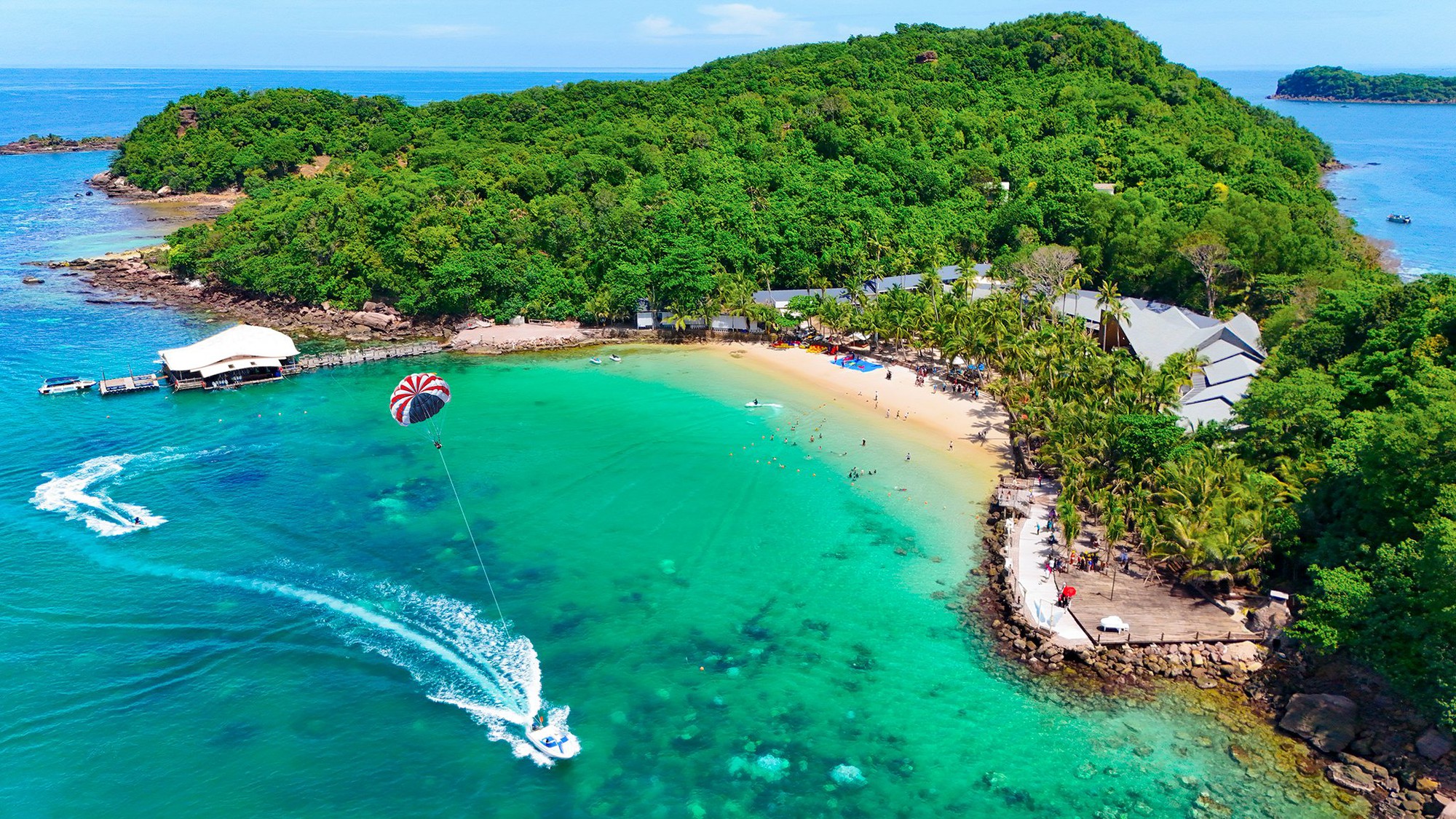
The An Thoi Archipelago, just south of the main island, is made up of more than 15 smaller islands surrounded by vibrant coral reefs, gin-clear water, and abundant marine life. Full-day snorkeling tours typically visit two to three islands, with lunch served family-style on board — a raucous, memorable affair. Popular stops include Gam Ghi Island, May Rut Island, and Fingernail Island (Hon Mong Tay), each offering some of the best underwater visibility in southern Vietnam.
Starfish Beach (Bãi Sao Biển) is a popular half-day excursion known for the red starfish visible in its shallow, glassy water. It's quieter than the main beaches and gives you a sense of how pristine Phu Quoc's coastline can still be once you step off the main tourist drag. The Hon Thom Cable Car — a record-breaking oversea cable car connecting the southern tip of the island to Hon Thom (Pineapple Island), is also worth the trip for the views alone, even if the theme park below isn't your style.
Frequently asked questions About Da Nang to Phu Quoc
For travelers first time coming to Phu Quoc from Da Nang, these faqs below will help you.
Frequently asked questions About Da Nang to Phu Quoc (Source: Collected)
Is there a direct flight from Da Nang to Phu Quoc?
Yes — as of 2025, VietJet Air and Sun PhuQuoc Airways both operate direct (nonstop) flights on this route, with approximately 4 departures per day. The earliest leaves Da Nang at 08:25 and the latest at 15:50. Vietnam Airlines also serves the route but via connecting flights through Ho Chi Minh City. If flying nonstop is a priority, book specifically with VietJet or Sun PhuQuoc and filter for "nonstop" on your chosen booking platform.
How long does it take to get from Da Nang to Phu Quoc?
It depends entirely on your chosen transport. By direct flight, the journey takes approximately 1 hour 45 minutes. With a Vietnam Airlines layover in HCMC, add another 2–3 hours including transfer time. How to get from da nang to phu quoc overland is a much longer commitment: the bus + ferry route takes 24–28 hours, while the train + bus + ferry combination clocks in at 26–30 hours. Plan your departure accordingly, especially if you have a hotel check-in deadline.
What is the cheapest way to travel from Da Nang to Phu Quoc?
The sleeper bus combined with a ferry is the most budget-friendly option, with total costs typically running between $40 and $60, significantly less than even a discounted airfare. The trade-off is time: you're looking at over a day of travel versus under two hours in the air. For travelers with flexible schedules and a preference for ground-level exploration of Vietnam's landscape, the savings are absolutely worth it.
Can I travel from Da Nang to Phu Quoc by train?
Not directly, but you can use the train as part of a multi-leg journey. Take the Reunification Express from Da Nang south to Ho Chi Minh City (approximately 16–18 hours), then connect by bus to Rach Gia or Ha Tien, and finally take a ferry across to the island. Given the da nang to phu quoc distance involved, over 1,000 km of mainland travel, this combination works best for travelers who want to turn the journey itself into part of the experience.
Do I need a Visa to visit Phu Quoc?
Most international travelers can enjoy a 30-day visa exemption when entering Phu Quoc directly by air. However, if you enter Vietnam through Da Nang first and then travel to Phu Quoc domestically, standard Vietnam visa rules apply. Requirements vary significantly by nationality, always check current regulations on the Vietnamese Ministry of Foreign Affairs website or with your nearest Vietnamese embassy before travel.
Read more: Phu Quoc travel guide 2026: Best things to do, beaches, hotels & Tips
Whether you're flying in under two hours or taking the scenic overland route across a full day and night, the Da Nang to Phu Quoc travel options are well-established, reliable, and suited to every type of traveler. The flight wins on convenience, fast, affordable with advance booking, and available daily with multiple departure times. The bus and ferry route wins on budget and adventure, especially if you're happy to turn the journey itself into a memorable part of the trip. Planning a trip from Da Nang to Phu Quoc? Let SinhCafe support your journey with convenient travel services, transport advice, and smooth itinerary planning across Vietnam!
Share via




Related articles
Da Nang to Phu Quoc flight: Schedule, price, duration & Best deals
Posts | 22/04/2026

Kiss Bridge Phu Quoc: Tickets, best time to visit & things to do
Blog | 17/04/2026
Phu Quoc travel guide 2026: Best things to do, beaches, hotels & Tips
Posts | 20/04/2026

Sea Walker Phu Quoc: Walk underwater without experience
Blog | 15/04/2026








There are no reviews yet