


Best Time to Visit Vietnam: A Month-by-Month Guide by Region
Not sure the best time to visit Vietnam? Explore weather patterns month by month and find the best time for your route, from the north to the south.

Vietnam can offer a very different travel experience depending on when and where you go. A misty morning in the northern mountains, a sunny afternoon on the central coast or a tropical downpour in the south can all shape the same trip in different ways. Before deciding where to start and what to include, it helps to understand which seasons are better suited to the experiences you have in mind.
When is the best time to visit Vietnam?
March and April are often the best months for travelling around Vietnam, especially if you want to explore more than one region. The weather is generally more balanced from north to south, making it easier to combine cities, natural landscapes, cultural sites and outdoor activities in the same trip.

The iconic Turtle Tower reflecting on Hoan Kiem Lake during a serene sunset (Source: MIA.vn)
Vietnam's weather changes considerably as you travel from north to south. The north has more distinct seasons, with cooler winters followed by hot and humid summers, while central Vietnam follows a different pattern, with its heaviest rainfall usually arriving later in the year. The south, meanwhile, has a more tropical climate shaped mainly by dry and rainy seasons. As a result, there is no single month that brings perfect weather across the entire country, and a time that works well for exploring Hanoi or trekking in the mountains may not be the best choice for a beach holiday or a trip further south.
Can you trust Vietnam's weather forecast when planning your trip?
Yes, but it is best used as a guide rather than a guarantee. Weather forecasts can be useful when you are deciding what to do over the next few days, especially if you have a cruise in Ha Long Bay, a trekking trip in Sapa or Ha Giang, or beach plans in Da Nang or Phu Quoc. Seasonal patterns can help you choose the best time to visit Vietnam, while short-term forecasts are more useful for adjusting individual activities as your trip approaches.
For longer trips, it makes more sense to use Vietnam's seasonal weather patterns to choose your overall route, then check the forecast again as your travel dates get closer. A summer trip, for example, might be planned around central coastal destinations such as Da Nang or Nha Trang, while a late-year itinerary may focus more on Hanoi, Sapa, Ha Giang or southern destinations as conditions change across the country.

A summer itinerary along Vietnam’s central coast, with beach destinations such as Da Nang and Nha Trang (Source: Bach hoa XANH)
In other words, use the forecast to fine-tune your plans, not to decide whether Vietnam is worth visiting at all. If one destination looks particularly wet or unsuitable during your trip, adjusting your route can often be more useful than changing your travel dates. The month-by-month guide below gives you a broader picture of how weather conditions typically change throughout the year and where your dates may work best.
Read more: Exploring the best time to visit Ha Long Bay
Vietnam weather month by month: Finding the best time to visit Vietnam
Finding the best time to visit Vietnam becomes easier when you look at how the weather shifts between regions rather than searching for one perfect month for the entire country. A season that works well for Hanoi may not offer the same conditions in Hoi An or Phu Quoc, so your route can make just as much difference as your travel dates.
January to February: Cooler weather in the north and dry conditions in the south
The beginning of the year creates a clear contrast between the north and the south. Hanoi is cooler, while places at higher elevations, including Sapa and Ha Giang, can become genuinely cold. Mist and light drizzle are also common, particularly in the north, which can affect views in places such as Ha Long Bay.
 Panoramic aerial view of cruise boats navigating between limestone karsts in Ha Long Bay (Source: MIA.vn)
Southern Vietnam, meanwhile, is in a much drier part of the year. Ho Chi Minh City and the Mekong Delta are easier to explore without having to plan around regular afternoon rain, while Phu Quoc is a strong choice for travellers who want to spend time on the beach. If warm weather is a priority, the south is usually the more dependable option.
One thing that can change the experience completely is Tet. Flights, trains and hotels can become more expensive and crowded around the holiday, while some restaurants, shops and smaller services may close temporarily. Travelling at this time can be rewarding, but it is not a period to leave bookings until the last minute.
March to April: The easiest window for seeing more of the country
If your itinerary includes several regions, this is the period when planning becomes much simpler. Northern Vietnam has usually moved away from its coldest weather, the south has not yet settled into its rainy season, and central destinations are still well placed for a mix of sightseeing and time by the coast.
This gives travellers more freedom with their route. You could begin in Hanoi and Ninh Binh, continue through Hue and Hoi An, then finish in Ho Chi Minh City or Phu Quoc without having to build the entire trip around one region's wet season. Temperatures can begin to climb, particularly in April, but conditions are still manageable for most outdoor plans.

Scenic night view of Hoi An Ancient Town with colorful lanterns reflecting on the Hoai River (Source: VNAT)
That does not mean every destination is perfect throughout these two months. However, March and April offer one of the few periods when seasonal weather places fewer restrictions on a north-to-south itinerary. For that reason, they are often considered the best time to visit Vietnam, particularly for a first trip covering several parts of the country.
May to August: Follow the coast and plan around the heat
By May, the character of the trip changes. The heat becomes more noticeable, especially in northern and southern cities, and southern Vietnam enters its wetter period. Rain often arrives in intense bursts rather than continuing from morning to evening, but it can still interrupt boat trips, walking tours and other outdoor activities.
This is where destination choice matters more than the month itself. While parts of the country are becoming hotter or wetter, central coastal destinations such as Da Nang and Nha Trang can be appealing for beach-focused trips. Hoi An can also work well for travellers who want to split their time between the coast and cultural sightseeing. For travellers with fixed summer dates, this can still be a good time to visit Vietnam if the itinerary is built around the regions with more suitable conditions.
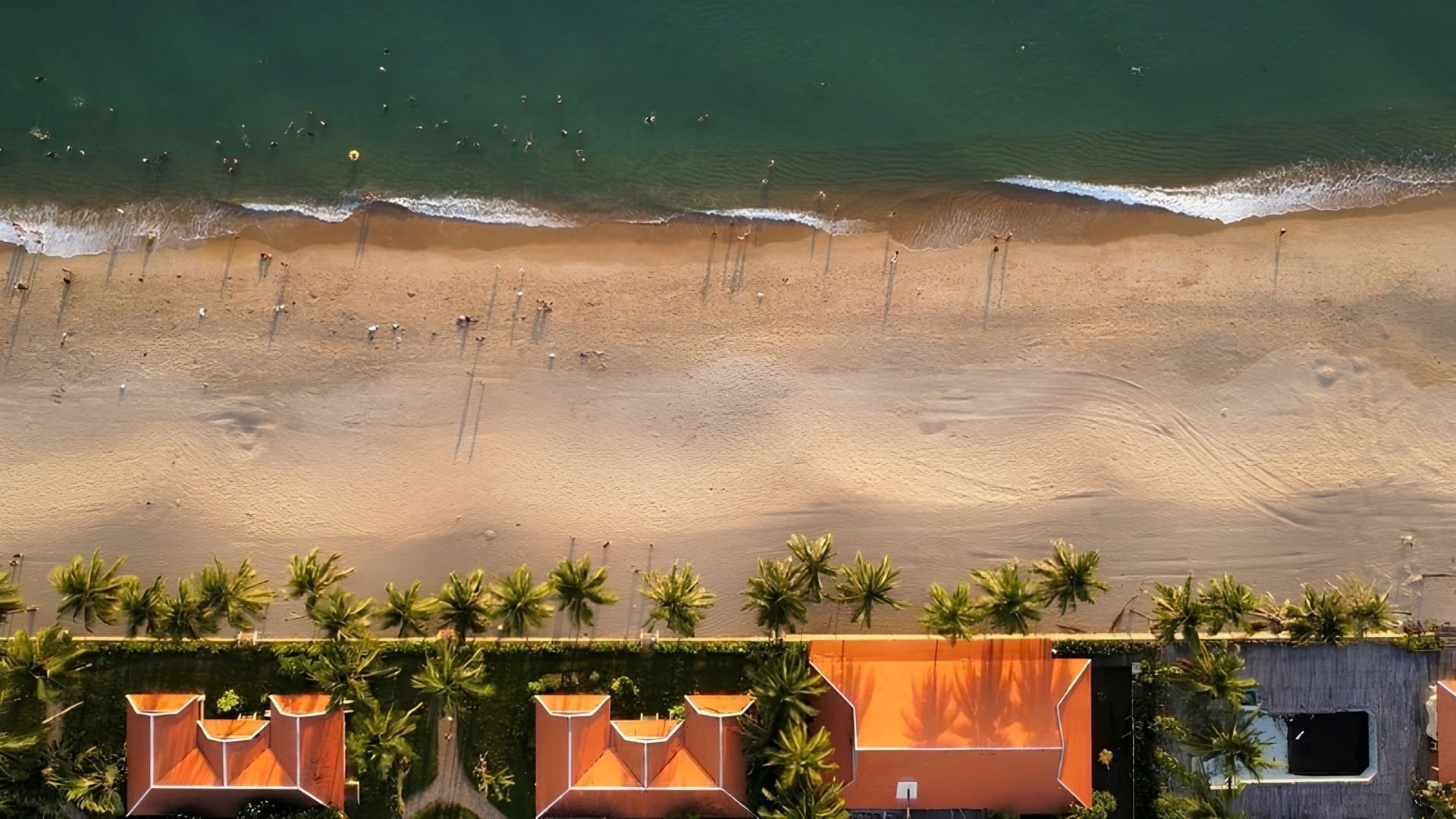
Aerial view of Tran Phu Beach in Nha Trang with coconut palm trees and turquoise water (Source: MIA.vn)
The north offers a different experience during summer. Rice fields and mountain landscapes become intensely green, but heavier rain can make trekking in Sapa or Ha Giang less predictable. Roads may also be affected in some mountainous areas. Summer is therefore not necessarily a time to avoid Vietnam; it simply rewards travellers who choose their route more carefully and avoid packing too many weather-dependent activities into a fixed schedule.
September to December: A changing picture across the country
The second half of the year brings another shift, but there is no single direction the weather follows. In the north, the intense summer heat gradually gives way to cooler conditions. Hanoi becomes more comfortable for walking and sightseeing, while Sapa and Ha Giang can again be more attractive for outdoor travel.

Fansipan in Sapa is the highest mountain in Vietnam (Source: Vietnam Airlines)
Central Vietnam tells a different story. Hue, Hoi An and Da Nang can experience their wetter months during this period, with heavy rain and occasional storms affecting travel plans. This does not mean these destinations are impossible to visit, but beach days and outdoor itineraries become harder to predict.
Further south, the weather gradually improves towards November and December as drier conditions return. Ho Chi Minh City, the Mekong Delta and Phu Quoc become increasingly appealing, while the north remains suitable for travellers who prefer cooler temperatures. If you are travelling late in the year, a route focused on the north and south may therefore make more sense than trying to force every region into the same itinerary.
Read more: 1 week itinerary Vietnam: The perfect guide for an unforgettable journey
Is there a worst time to visit Vietnam?
There is no single month that is the worst time to visit Vietnam, but certain weather conditions can make some destinations less suitable. Heavy rain, extreme heat and storms affect different parts of the country at different times, so poor weather in one region does not mean the whole country is a bad choice.
In the north, summer rain can make trekking in Sapa and Ha Giang more difficult, while poor visibility or severe weather may disrupt Ha Long Bay cruises. Later in the year, central destinations such as Hue, Da Nang and Hoi An can experience prolonged rain, storms and occasional flooding, affecting sightseeing, beach plans and travel between destinations. In the south, tropical downpours during the rainy season may interrupt boat trips in the Mekong Delta and other outdoor activities.
 The historic Meridian Gate showcasing traditional Nguyen Dynasty architecture in Hue (Source: MIA.vn)
The worst time for your trip therefore depends on where you are going and what you plan to do. If your itinerary relies heavily on trekking, cruising or beach time, choosing the right season matters more than if you have a flexible route that can be adjusted around the weather.
Tips for choosing the best time to visit Vietnam
-
Plan around your route, not Vietnam's weather as a whole: If you are travelling from north to south, check the conditions in every region on your itinerary instead of choosing a month based on the weather in just one destination.
-
Start with your travel dates, then choose the right destinations: If your dates are fixed, you may not need to change your travel plans. Instead, adjust your route towards the regions that are likely to offer better conditions during your trip.
-
Match the season to what you want to do: The best time for trekking in Sapa or Ha Giang may be different from the best time for a beach holiday in Phu Quoc or Da Nang. Decide which experiences matter most before choosing your destinations.
-
Leave room for weather-related changes: Build some flexibility into your itinerary if you are planning activities such as trekking, Ha Long Bay cruises, boat trips or beach days, especially during wetter or more unpredictable periods.
-
Consider holidays as well as the weather: Tet and other busy travel periods can affect flight and hotel prices, transport availability and the opening hours of some businesses, so good weather does not always mean the easiest time to travel.
Read more: Mekong Delta Vietnam: All you must know before you go

Turquoise waters of Nho Que River winding through the dramatic Tu San Canyon in Ha Giang (source: MIA.vn)
Once you know when you want to travel, choosing the right route can make a big difference to your experience. Whether you are planning a north-to-south journey, a beach escape or a trip focused on Vietnam's landscapes and culture, SinhCafe can help you find an itinerary that fits your travel dates and interests.
Explore SinhCafe's Vietnam tours and start planning a trip that works with both your schedule and the season.
FAQs
How many days do you need to travel around Vietnam?
→ A north-to-south trip usually takes at least two to three weeks. With less time, it is often better to focus on one or two regions.
Is Tet a good time to visit Vietnam?
→ It can be a unique cultural experience, but transport and accommodation are often busier, and some businesses may close during the holiday.
When is the cheapest time to visit Vietnam?
→ Prices are often lower during quieter travel periods, particularly outside major holidays and peak seasons. However, this can vary by destination and travel dates.
Can bad weather cancel my travel plans in Vietnam?
→ It can affect activities such as Ha Long Bay cruises, trekking, boat trips and beach excursions. Keeping your itinerary flexible can help minimize disruptions.
What should I pack for Vietnam's different climates?
→ For a multi-region trip, pack light layers for cooler northern areas, breathable clothing for hot weather and a waterproof layer for rain.
Share via




Related articles

Visit Ha Giang in November: Is it a good time to go?
Posts | 21/09/2026

Ha Long bay 1 day tour: Best itinerary, cruise options & Travel tips
Posts | 23/03/2026

Yang Bay Waterfall: A Hidden Paradise near Nha Trang you shouldn’t miss
Blog | 24/03/2026

Diep Son island: Walk across the sea in Vietnam’s hidden paradise
Posts | 24/03/2026







There are no reviews yet