


Is November Really the Best Time to Visit North Vietnam?
Many travelers consider November the best time to visit North Vietnam, but is it really the right time for your trip? Take a look at the weather, landscapes and travel conditions before you decide.

North Vietnam offers a different travel experience as November arrives. The summer heat begins to ease, heavy rain is less of a concern, and many destinations become easier to explore. These conditions are why many travelers consider November the best time to visit North Vietnam. Hanoi and Ha Long Bay can feel very different from the colder mountains of Sapa or Ha Giang, so the season may shape each part of your itinerary differently.
What is the weather like in North Vietnam in November?
November brings a clear change in North Vietnam’s weather as the hot, humid summer and peak rainy season come to an end. Across much of the region, daytime temperatures generally range from around 17°C to 25°C, with cooler mornings and evenings. Rainfall is usually much lower than during the summer months, and many days are dry enough for sightseeing, trekking and travelling between destinations.
North Vietnam covers a wide range of landscapes, so the weather can feel quite different depending on where you go. Lowland destinations such as Hanoi are generally mild, with daytime temperatures often around 20 - 25°C, while Ha Long Bay can experience a mix of sunshine and cloud during November. In higher-altitude areas such as Sapa and Ha Giang, temperatures can drop noticeably in the early morning and evening, making warm layers essential.

Peaceful atmosphere at Tran Quoc Pagoda during Hanoi's cool autumn-winter days (Source: Lao Dong Newspaper)
Compared with the hot and rainy months from May to September, November often makes travelling around North Vietnam easier. Heavy rain is less likely to interrupt your plans, which is why many travellers consider it the best time to visit North Vietnam. Still, coastal areas can have cloudy or misty days, while fog in the mountains may sometimes block the views.
Why November can be a good time to visit North Vietnam?
The appeal of travelling to North Vietnam in November goes beyond escaping the summer heat. With heavy rain becoming less of a concern, it is easier to move between busy cities, limestone bays, mountain valleys and winding roads. If you plan to spend much of your trip outdoors, this flexibility is one reason November can be the best time to visit North Vietnam.
Cooler weather for sightseeing and outdoor activities
November works well for destinations where much of the day is spent outdoors. You can wander through Hanoi’s Old Quarter, visit the Temple of Literature or walk around Hoan Kiem Lake without the intense summer heat. A trip to Ninh Binh is easier to enjoy at a slower pace too, whether that means cycling through the countryside, climbing Mua Cave or taking a boat through Trang An and Tam Coc.
 Enjoying a serene boat ride through Trang An Landscape Complex in the dry season (Source: VNAT)
The milder temperatures make longer outdoor activities more comfortable and give travellers greater flexibility throughout the day. For sightseeing and outdoor experiences, this is one reason many consider November the best time to visit North Vietnam.
Drier conditions for trekking and road trips
Lower rainfall is particularly helpful in North Vietnam's mountainous destinations, where heavy rain can make trekking trails muddy and mountain roads more difficult to navigate. In Sapa, November can be a good time for trekking through local villages such as Lao Chai and Ta Van, while Mai Chau and Pu Luong offer opportunities for cycling, walking through rice valleys and staying in traditional villages.
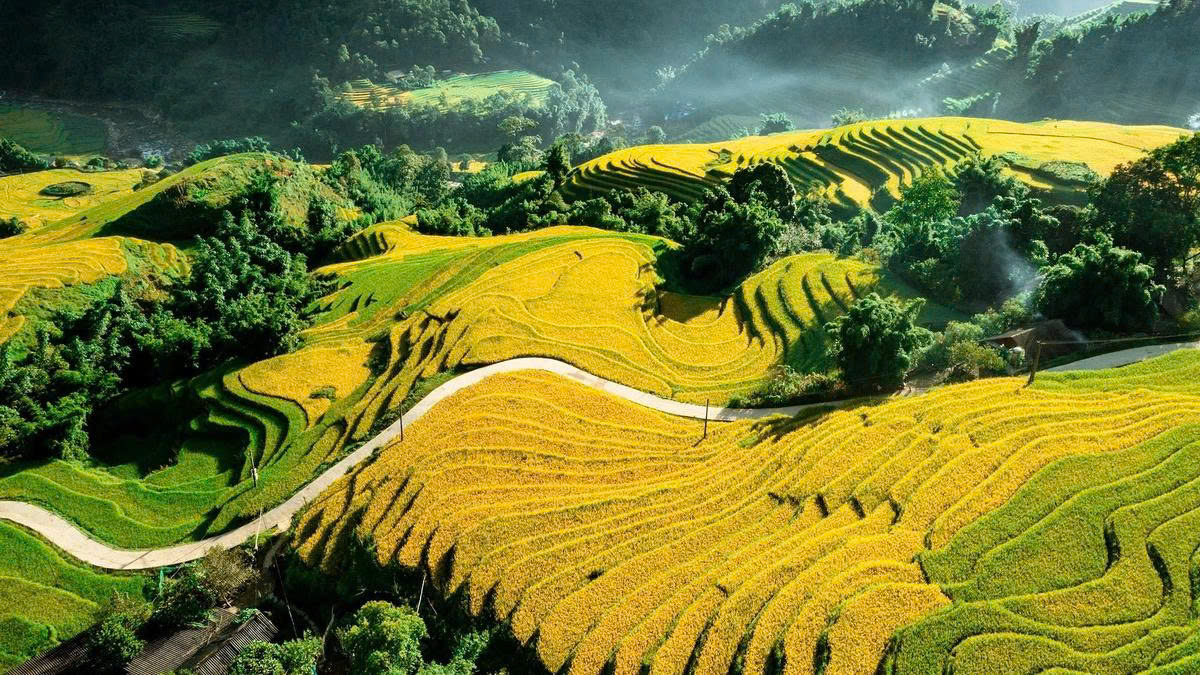 Trekking through Lao Chai village under pleasant, crisp weather conditions (Source: VnExpress)
The drier conditions can also make road trips more convenient in Ha Giang and Cao Bang. Travellers can explore mountain passes and viewpoints with less risk of the frequent heavy downpours associated with summer. For outdoor adventures, this can make November one of the periods considered the best time to visit North Vietnam, although temperatures can still be cold in the morning and evening.
Fewer weather disruptions than during the rainy season
November makes it easier to build an itinerary around several different landscapes and experiences. You could begin with a few days of city sightseeing in Hanoi, continue to Ninh Binh for boat trips and cycling, then head to Ha Long Bay or Lan Ha Bay for an overnight cruise. Travelers with more time can extend their journey to Sapa, Ha Giang or Cao Bang for trekking and mountain scenery.
 A corner of Lan Ha Bay (Source: Nhan Dan Newspaper)
Weather conditions can still vary, with fog affecting mountain views and cloudy days along the coast. Even so, November offers more flexibility for combining cities, cruises, nature and mountain adventures, making it the best time to visit North Vietnam for many people.
Read more: Northern Vietnam: Why It Remains Vietnam's Most Diverse Travel Region
Where to go in North Vietnam in November
One of the best things about travelling in North Vietnam is how much you can fit into one trip. Spend a few days exploring the city, head to the countryside, take a cruise, or venture into the mountains - the route is really up to you and how much time you have.
Explore cities and scenic landscapes at a comfortable pace
Hanoi and Ninh Binh are ideal starting points for travellers who want to combine cultural sightseeing with natural scenery. In Hanoi, November’s weather makes it more comfortable to spend time outdoors exploring the Old Quarter, walking around Hoan Kiem Lake or visiting attractions such as the Temple of Literature and the Imperial Citadel of Thang Long. You can also slow down and explore the city's cafés, street food scene and local neighbourhoods without the intense heat and humidity of the summer months.
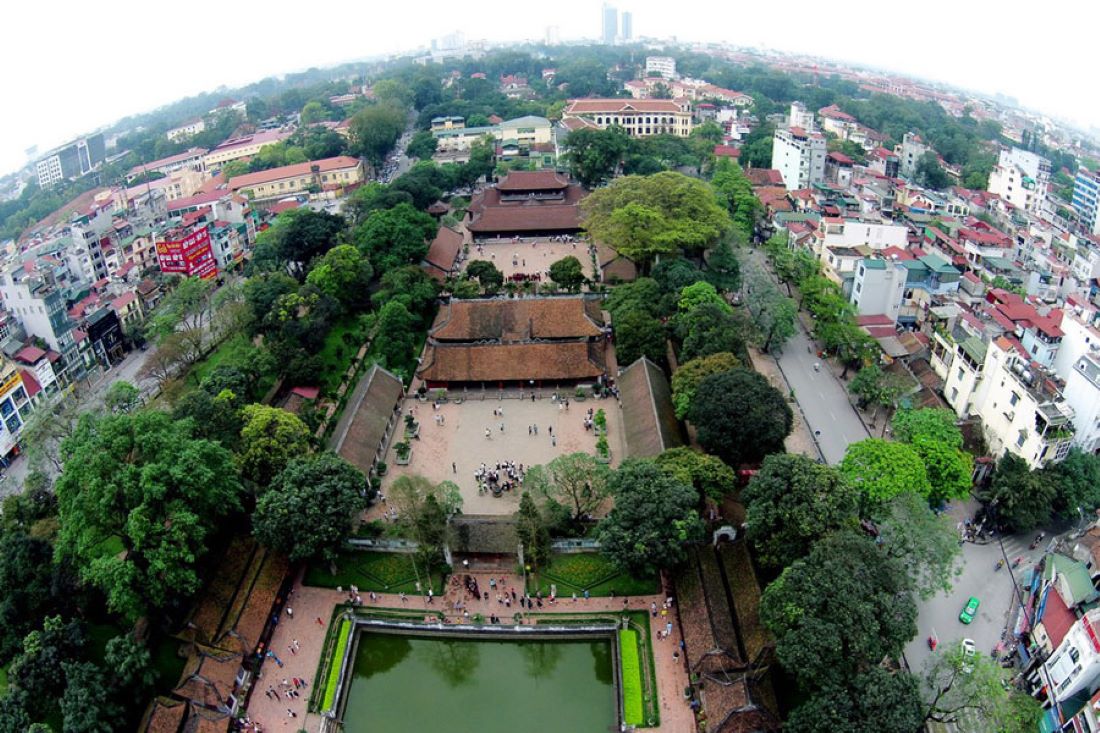 Van Mieu - Quoc Tu Giam relic area seen from above (Source: MIA.vn)
After the bustle of Hanoi, Ninh Binh offers a quieter change of scene. Rivers wind between limestone cliffs, and travellers can explore Trang An or Tam Coc by boat, cycle through the countryside or climb Mua Cave. The golden rice fields are gone by November, but the scenery still makes it worth adding to your itinerary. With cooler temperatures making it easier to combine several destinations, travellers with limited time can consider SinhCafe's Highlight Hanoi, Halong Bay and Tam Coc 4 Days tour, which brings together Hanoi's cultural attractions, Ninh Binh's limestone landscapes and Ha Long Bay in one itinerary. For city sightseeing and natural landscapes, November can be the best time to visit North Vietnam.
Enjoy coastal scenery and relaxing cruise experiences
Ha Long Bay, Lan Ha Bay and Cat Ba are ideal if you want to spend part of your trip out on the water. An overnight cruise gives you time to sail past limestone islands, kayak through quieter corners of the bay, explore caves or simply sit back and enjoy the views. If Ha Long feels a little too busy, Lan Ha Bay can offer a more peaceful alternative, particularly on cruises departing from Cat Ba.
 Cruising past magnificent limestone karsts around Cat Ba Island (Source: MIA.vn)
November is a welcome break from the summer heat, making it easier to spend time on deck, go kayaking or join short excursions. You may still wake up to cloudy skies or mist, especially in the early morning. While this can sometimes hide the views, it can also give the limestone islands a softer, more atmospheric look. As the water begins to feel cooler, November is better suited to cruising, kayaking and sightseeing than a beach-focused holiday.
Experience the mountains through trekking and nature
Sapa is particularly appealing in November for travellers who enjoy cooler weather and time outdoors. The more comfortable conditions can make village walks and trekking routes easier to enjoy, especially around areas such as Y Linh Ho, Lao Chai and Ta Van. If you prefer to follow a planned route rather than arrange everything independently, SinhCafe's 2 Days Sapa Trekking – Sleeping Hotel tour offers a short trip that combines trekking, mountain scenery and time in local villages.
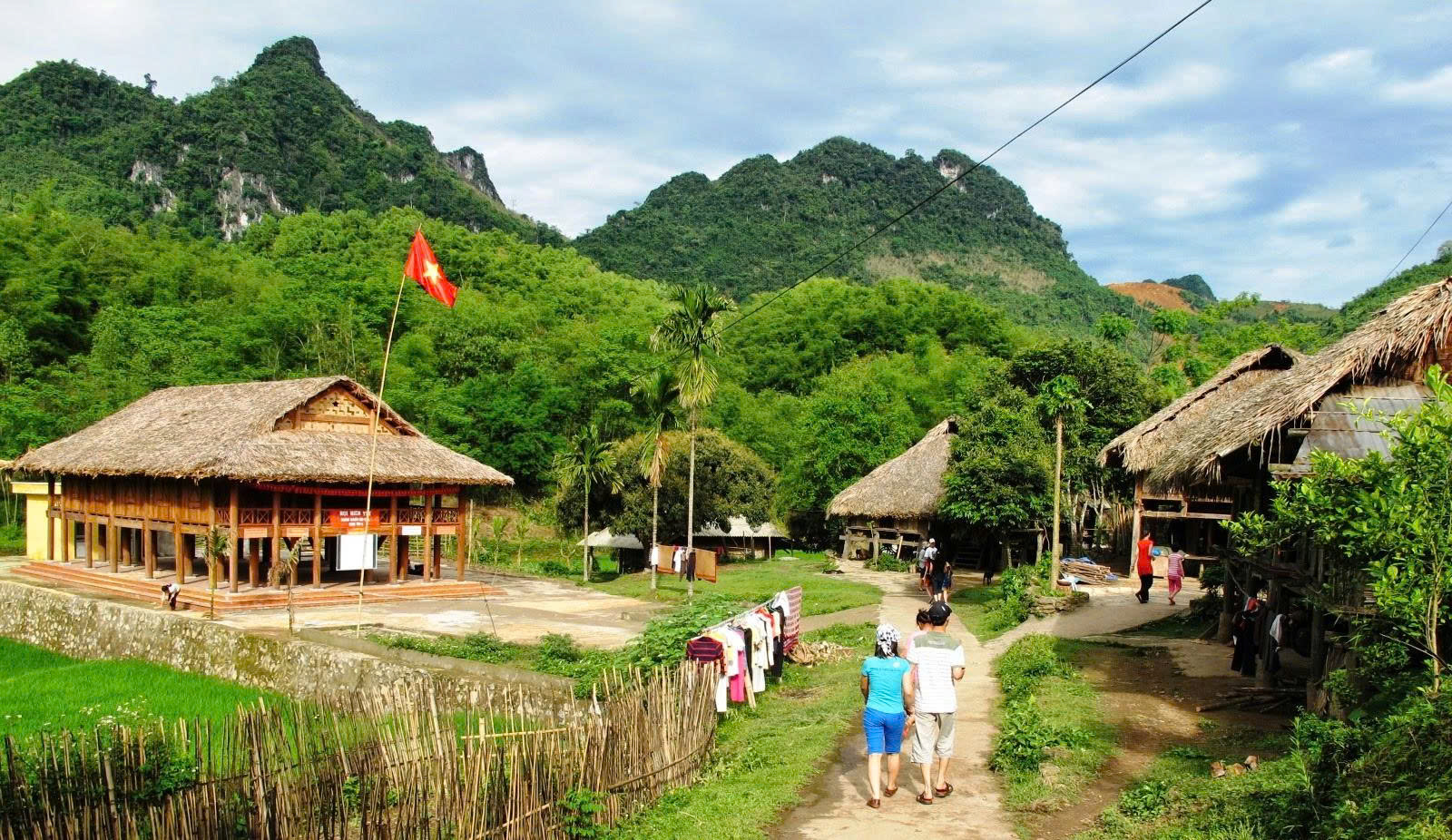 A relaxing mountain getaway surrounded by traditional stilt houses in Mai Chau (Source: VNAT)
For a quieter mountain escape, Mai Chau and Pu Luong offer a gentler pace than Sapa. These areas are well suited to cycling through valleys, walking between villages and staying in homestays or nature retreats surrounded by rice fields and mountains. Mu Cang Chai, meanwhile, is a stronger choice for travellers who enjoy scenic drives and dramatic mountain landscapes. By November, the famous golden rice season has usually passed, so it is important not to visit expecting the bright yellow terraces seen in autumn photographs. Instead, the experience is more about the mountain scenery, local villages and quieter roads.
Take a scenic journey through Northern Vietnam’s wild landscapes
Travellers with more time and a preference for adventure can continue towards Ha Giang or Cao Bang. Ha Giang is best explored as a multi-day journey, with dramatic mountain passes, deep valleys and viewpoints forming the main highlights of the trip. Routes through areas such as Quan Ba, Yen Minh and Dong Van allow travellers to experience some of the most dramatic landscapes in northern Vietnam, while local markets and ethnic minority villages can add a cultural element to the journey.
 Majestic Ban Gioc Waterfall backdrop on a dry season Cao Bang road trip (Source: Bao Tin Tuc)
The journey through Cao Bang is as much a part of the experience as the places you visit. Roads wind through a quieter, more remote landscape, leading to highlights such as Ban Gioc Waterfall and Nguom Ngao Cave. November is generally a good time for exploring the region, although the higher elevations can feel cold in the morning and evening, and fog may occasionally affect visibility. Bring a few warm layers and leave some flexibility in your itinerary, especially if you plan to spend several days travelling through the area.
Read more: North Vietnam itinerary 10 days: The only guide you need for a perfect trip
Things to know before visiting North Vietnam in November
November is generally a good time to travel around North Vietnam, and many travellers consider it the best time to visit North Vietnam, but the experience can vary depending on where you go. Hanoi and Ninh Binh may feel pleasant during the day, while temperatures can drop noticeably in Sapa, Ha Giang and parts of Cao Bang, especially in the early morning and after sunset.
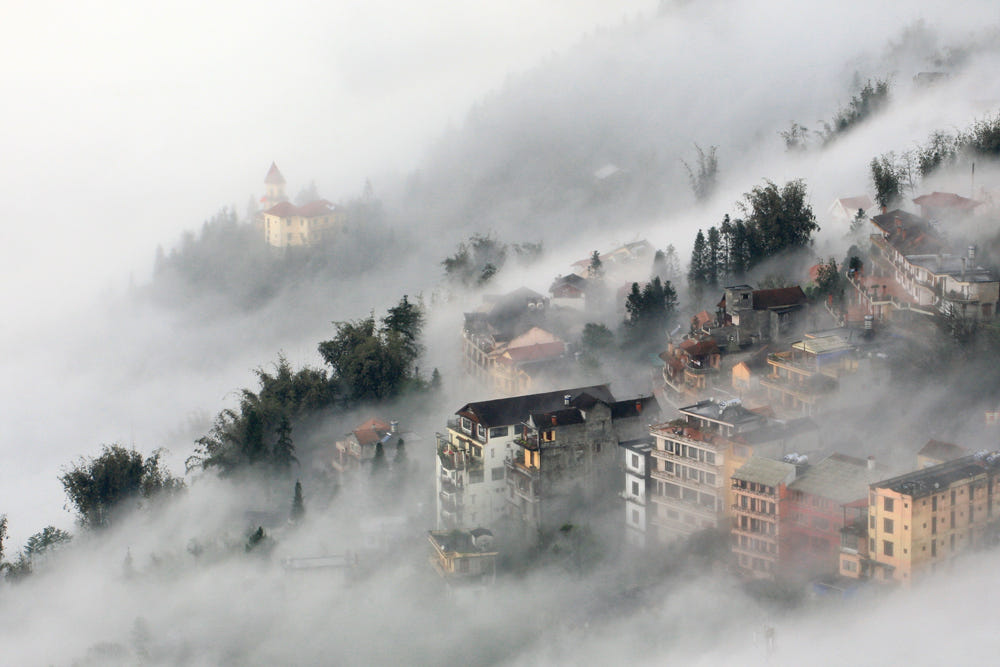
Sapa town blanketed in misty mountain fog as winter approaches (Source: Bao Laodong)
The weather can also affect what you see along the way. Fog and low clouds are not unusual in the mountains, while Ha Long Bay and Lan Ha Bay can wake up to misty or overcast skies. A viewpoint hidden by fog in the morning may be much clearer later in the day, so there is no need to cancel your plans straight away. Still, if photography is a big part of your trip or you are following a tight schedule, leaving some room for changes can make the journey much easier.
Keep in mind that the golden rice season has passed
If seeing bright golden rice terraces is a priority, November may be too late for destinations such as Sapa and Mu Cang Chai. The main harvest season typically takes place earlier in autumn, meaning the terraces can look very different by November. Depending on the exact location and timing, fields may have already been harvested rather than displaying the golden landscapes commonly seen in promotional images.
That does not mean these destinations lose their appeal. November can still be a good time for trekking, visiting local villages and enjoying mountain scenery, but travellers should choose them for the overall landscape and outdoor experience rather than expecting peak-season rice fields. If golden terraces are the main reason for travelling, choosing an earlier period may be a better fit when deciding on the best time of year to visit North Vietnam
Read more: Hanoi to Ha Giang: Complete travel guide for first-time visitors
What to pack for North Vietnam in November
If you are travelling during what many consider the best time to visit North Vietnam, it is still important to pack for changing temperatures and conditions.
- Layered clothing: Temperatures can change noticeably between the morning, afternoon and evening, especially when travelling between lowland and mountainous areas. Wearing several light layers makes it easier to add or remove clothing as conditions change.
- A light jacket or sweater: Hanoi, Ninh Binh and Ha Long Bay can feel pleasantly cool during the day but noticeably cooler in the early morning and evening. A light outer layer is usually enough for most lowland and coastal destinations.
- A warmer jacket for mountain destinations: If you are visiting Sapa, Ha Giang, Cao Bang or other highland areas, temperatures can drop significantly, particularly after sunset and in the early morning. A thicker jacket or fleece is essential for trekking, sightseeing and travelling on mountain roads.
- Sturdy, non-slip footwear for trekking: Mountain trails can still be damp or uneven, while trekking routes around Sapa and other rural areas may involve steep or slippery sections. Shoes with good grip provide better stability and are more suitable than regular trainers.
- A lightweight waterproof jacket: Although November is generally drier than the summer months, occasional rain, mist and damp conditions can still occur, particularly in Ha Long Bay and mountainous areas. A waterproof layer can help you stay comfortable without taking up much space in your luggage.
 Exploring limestone caves and kayaking across the calm waters of Ha Long Bay (Source: VNAT)
November can take you from Hanoi’s lively streets to the limestone landscapes of Ninh Binh, the waters of Ha Long Bay and the mountains further north. Explore SinhCafe tours to find an itinerary that lets you experience more of the region without having to plan every detail on your own.
FAQs
Is North Vietnam crowded in November?
→ Yes. Popular destinations such as Hanoi, Ha Long Bay and Sapa can be busy, so booking accommodation and cruises in advance is recommended.
Is November an expensive time to visit North Vietnam?
→ It can be more expensive than the rainy season, especially for hotels and Ha Long Bay cruises, as November is a popular travel month.
What is the best part of November to visit North Vietnam?
→ Mid to late November is often a good choice, with cooler and generally drier conditions across much of the region.
Can you combine Hanoi, Ha Long Bay and Sapa in one trip?
→ Yes. Allow at least 6–7 days to visit all three without rushing.
Is November or December better for visiting North Vietnam?
→ November is generally milder, while December is colder, especially in mountainous areas. November is usually better for a balanced itinerary.
How far in advance should you book a trip to North Vietnam in November?
→ Booking a few weeks ahead is recommended, particularly for Ha Long Bay cruises and popular accommodation.
Share via




Related articles
Visit Ha Giang in November: Is it a good time to go?
Posts | 21/09/2026

Ha Long bay 1 day tour: Best itinerary, cruise options & Travel tips
Posts | 23/03/2026

Yang Bay Waterfall: A Hidden Paradise near Nha Trang you shouldn’t miss
Blog | 24/03/2026

Diep Son island: Walk across the sea in Vietnam’s hidden paradise
Posts | 24/03/2026





There are no reviews yet